Saandip Nandagudi

Jan 032012
 

Garole, a precious sheep breed from West Bengal an eastern province of India, is having some outstanding genetic potentiality such as high fecundity and lambing frequency. Its prolificacy, lambing frequency, disease resistance and other extraordinary merits is rarely observed in any other sheep breeds of the world.
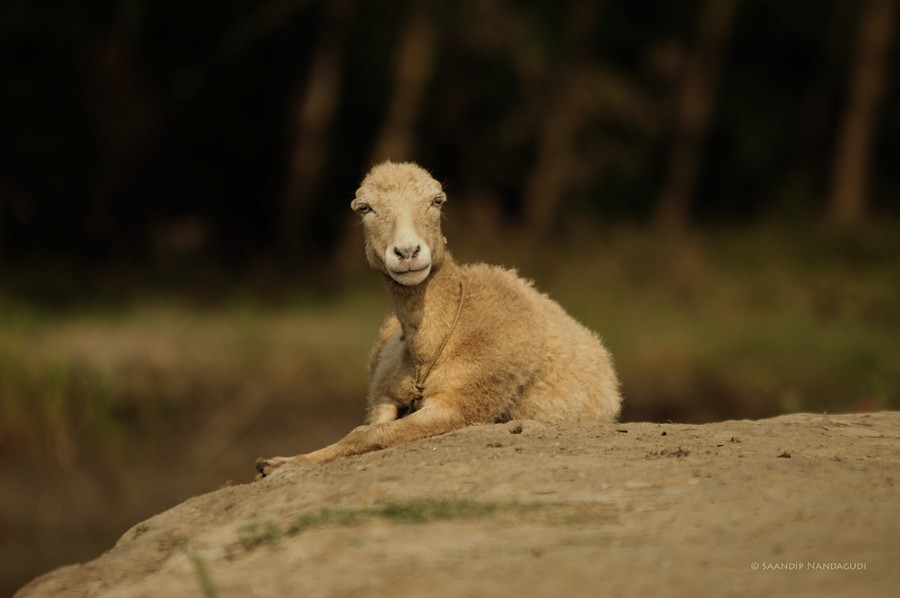
Garole Sheep

Garole Sheep

Garole weighs around 12-15Kgs in adult, It has a special gene Booroola fecundity commonly named as ‘FecB’ gene which makes it more prolific than the world famous Booroola-Merino sheep as compared to the large litter size due to same gene.

Garole Sheep

The FecB gene was originally named after the south-east Australian farm where it was first identified. Garole sheep are able to live in wet conditions of the delta which typically lead to foot rot in other breeds, suggesting a genetic resistance to some parasitic infections.

Garole Sheep

As the area is coastal and saline other agricultural activity is not well adopted hence this sheep provide principal source of income during agriculturally lean period.

I was able to capture photos of this species on a bird watching trail , & was briefed on the spot by my friend Sujol from Kolkatta who had accompanied us for the entire Sundabans tour. Otherwise i too had thought it was a just a ordinary “Kuri Kuri” (sheep)  🙂 .
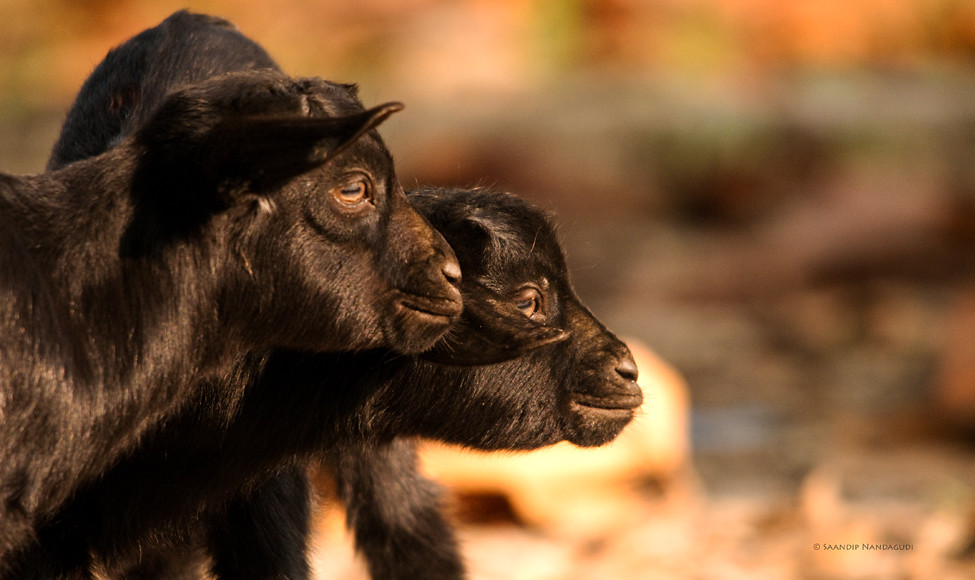
Garole ewe

PS: The above image is not a Garole lamb,  The Young ones are called Garole Ewe (Sometimes it may be black or the creamish too )

Dec 282011
 

Jayamangali Black Buck Reserve was a long pending trip on my wishlist. Day just came as Deepa Mohan initiated a day trip & I confirmed immediately.

Jayamangali (formerly called as Maidanahalli) is in Madhugiri taluk, Tumkur district of Karnataka. This place is appox 140Kms from Bangalore where availability of food & drinking water is absolutely nill as this is rather more like a neglected place by the forest dept & as a result heavy encroachment , cattle grazing , movement of brick lorries seen inside the reserve.
As per the plan our first stop for breakfast was Dobbaspet’s “famous Thatte Idly”,  but we ended up in some local joint 🙁 .  It was decided to start birding in Devarayana Durga forest, esp the Yellow Throated Bulbuls enroute Maidanahalli where we visited Bhoga Narasimha Swamy temple to pickup our packed lunch(Pongal).

Devarayana-Durga-Temple

Bhoga Narasimhaswamy Temple- Devarayana Durga

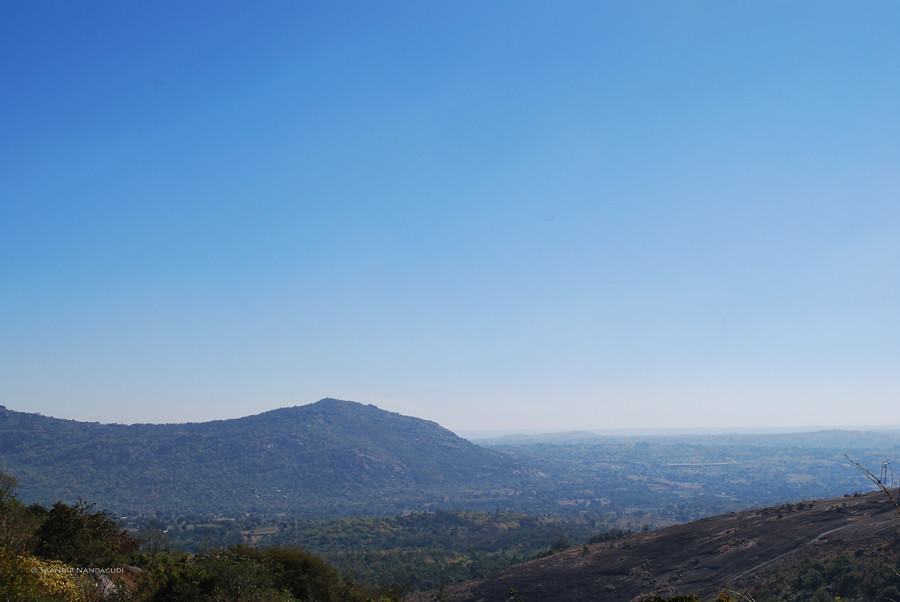
Devarayana-Durga-view

View from summit of Devarayana Durga

Safari

Route we took was Devarayana Durga > Madhugiri > Puravara > Blackbuck reserve. I pulled out cameras as it would be a window birding & driving.

Small-Blue-Kingfisher

Small Blue Kingfisher

Madhugiri-Fort

Madhugiri Fort

Birders

Jayamangali-Sign-Board

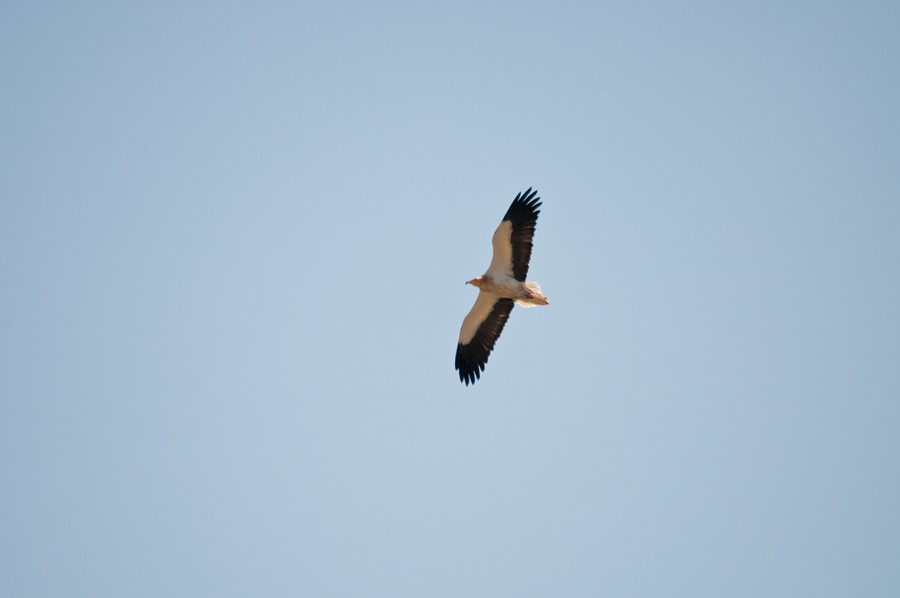
Egyptian-Vulture

Egyptian Vulture

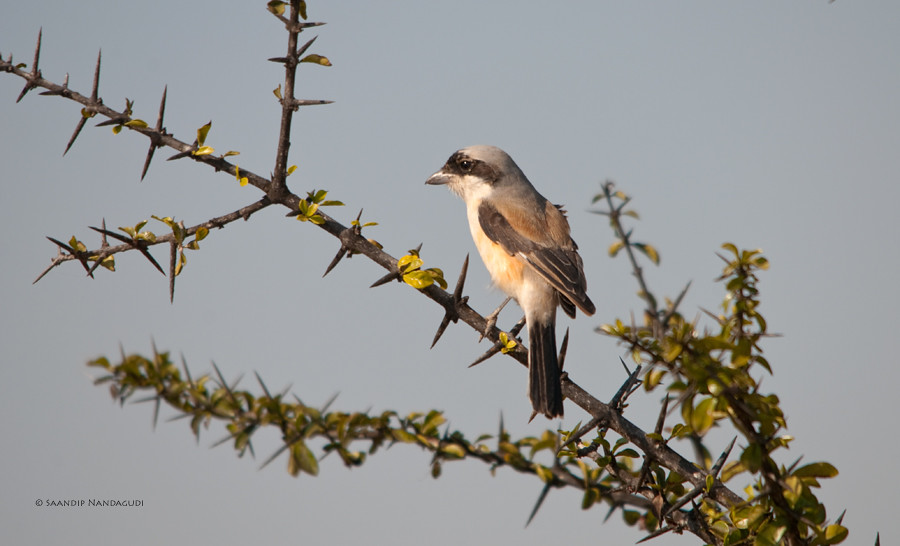
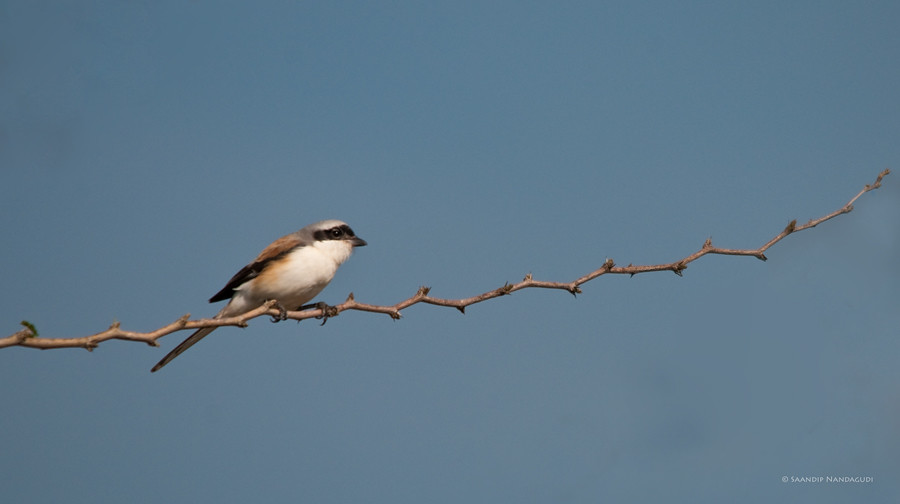
Long Tailed Shrike

Long Tailed Shrike

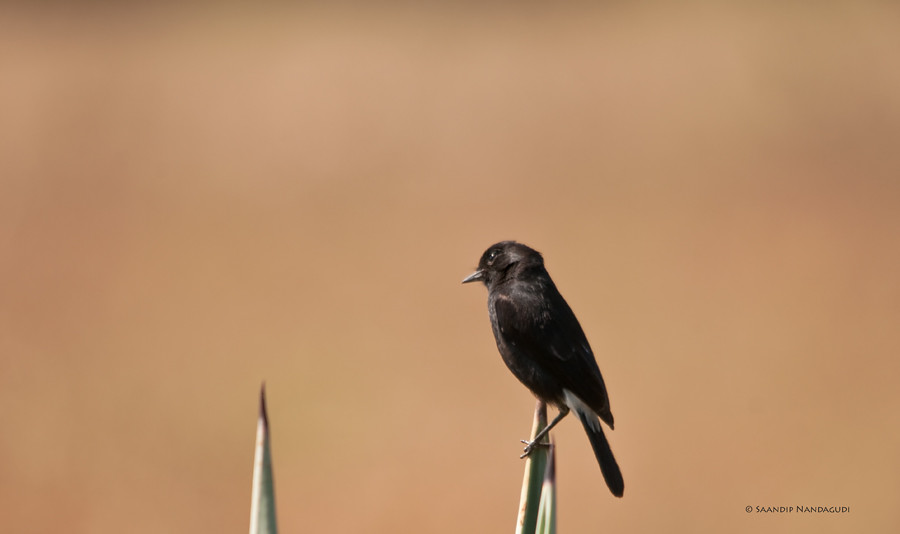
Pied-Buschat-Male

Pied Bushchat – Male

Jayamangali-Reserve

Jayamangali Black Buck Reserve Entrance 

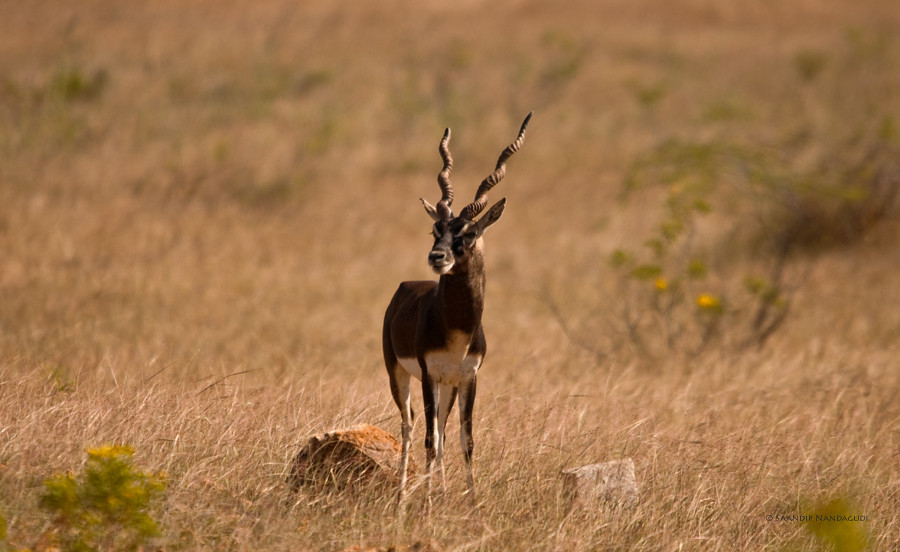
Black Buck – Male

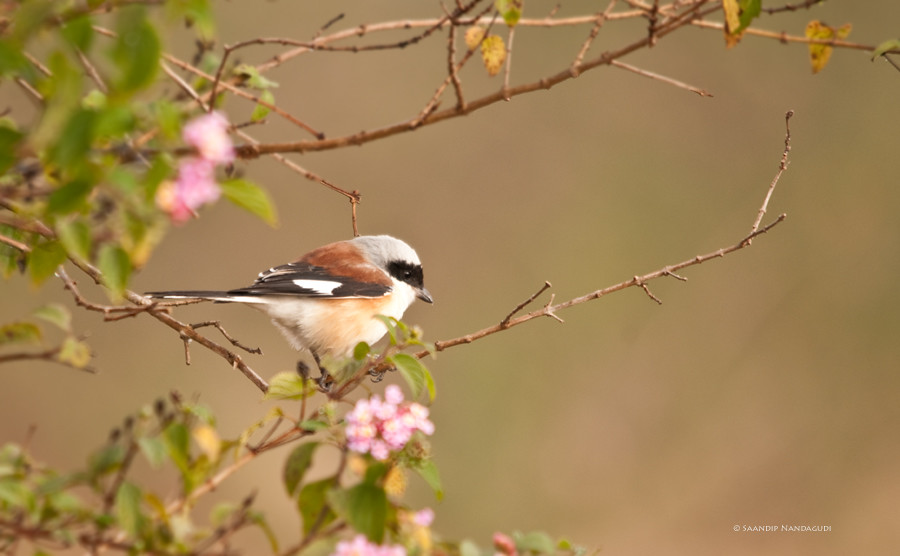
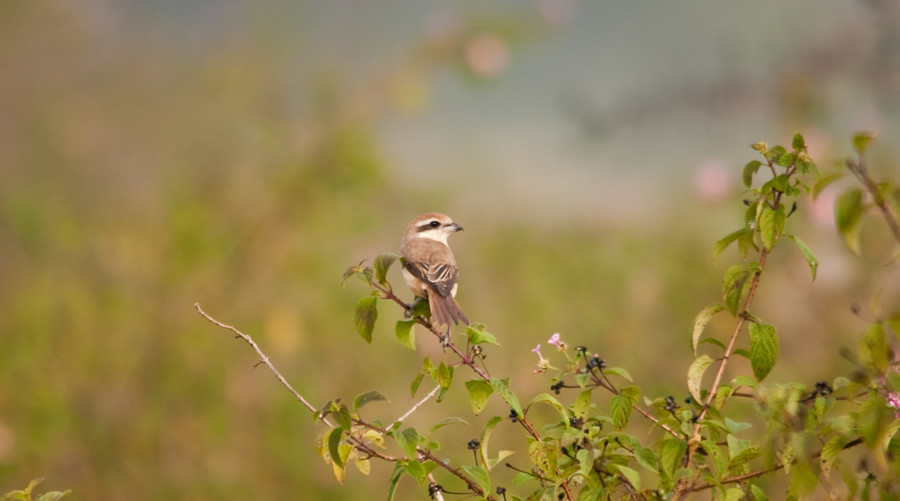
Bay-Backed-Shrike

Bay Backed Shrike

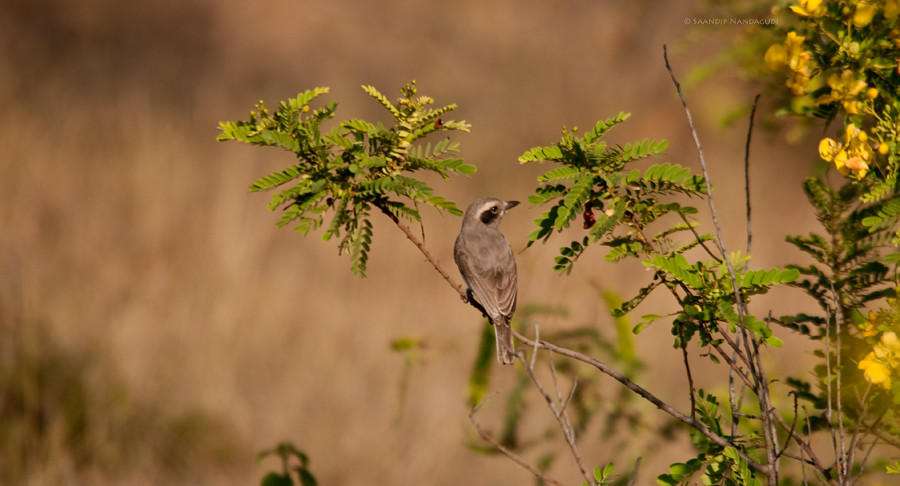
Common-Woodshrike

Common Wood Shrike

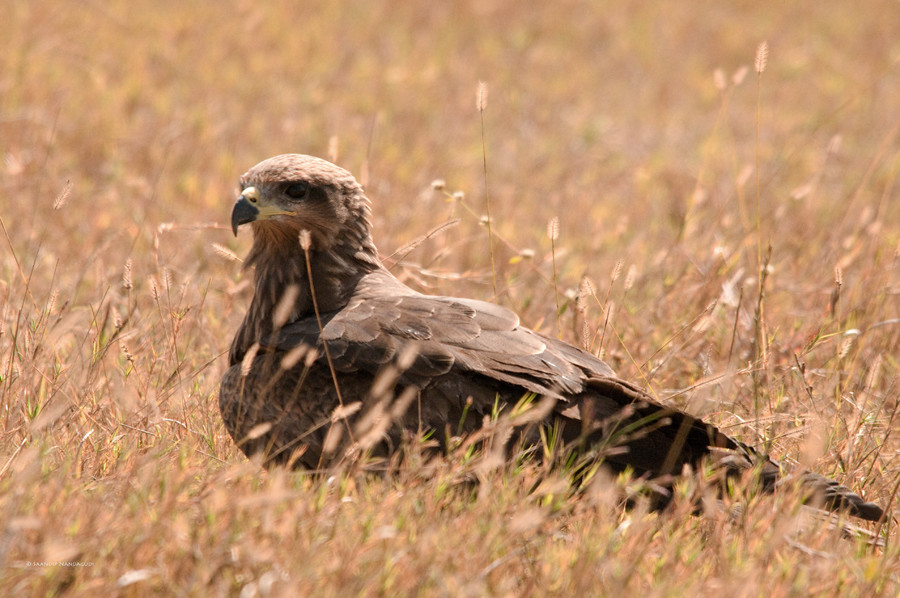
Montagu's-Harrier-Juv

Montagu’s Harrier – Juv

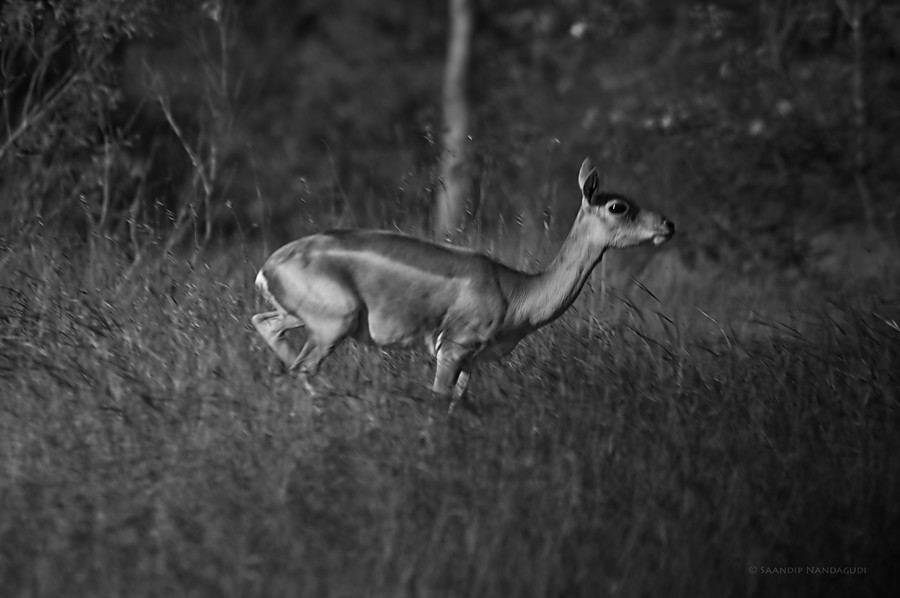
Doe

Black Buck – Female (Doe)

Black-Buck

Black-Shouldered-Kite

Black Shouldered Kite

Well it was around 5pm, we thought of returning as the sun was slowly going down. Still it was amazing to see some 20+ Green Bee-Eater Mudbathing .

Mud Bathing

Kids playing with mud while all others busy in shooting the sunset 🙂

When the photos turn to silloute ,its the time you relax a bit & think of home 🙂

Everything which was  fast, noisy & bumpy ride from morning till evening  suddenly turned out to be silent calm & mesmerizing as we all watched the sun going down at a distance 🙂 .

Jayangali-Sunset

Way back we took the Maidanahalli > Madhuugiri> Tumkur Dobbaspet > Bangalore, had dinner at Kamat restaurant & reached home at 11:45pm.

Thanks for reading folks…. 🙂

Dec 202011


Hessarghatta

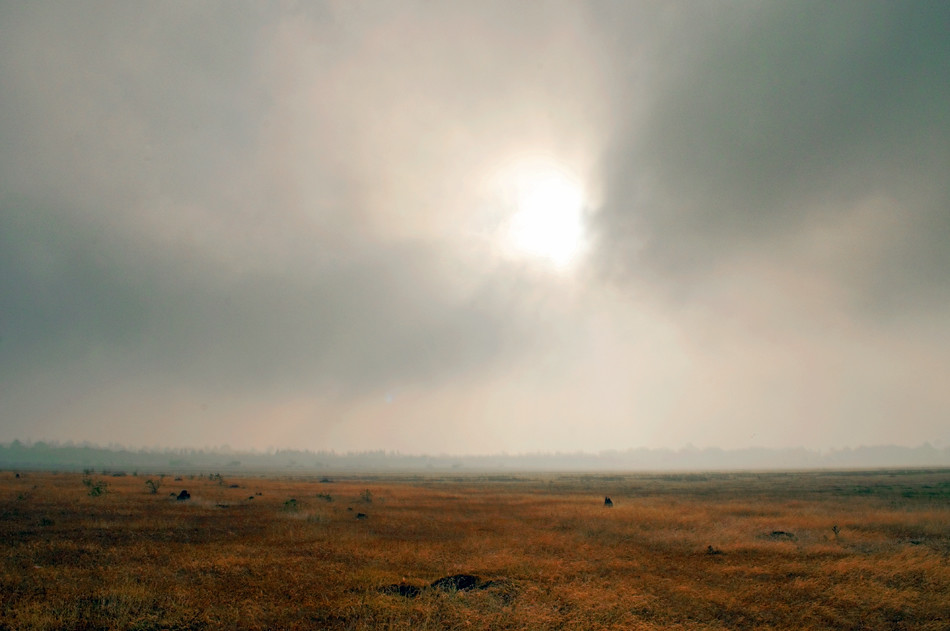
Hessarghatta at 6:30am December

It was more than a month i had been to birding after my Sundarbans tour, Two spots Nandi hills & Hesarghatta was on the list & finally decided on Hesarghatta, left home around 5:30am, fog all around & chilling breeze… ahhh!! fresh air after a longtime 🙂 . A drive of 30kms from home made us reach within 40mins with a stop for hot tea break on the way. Sun was not fully up & visibility was 10 feet..

Sunshine started slowly around 7:30am also the chirping of  birds &  at first we saw the small birds on the wet floors of this grassland

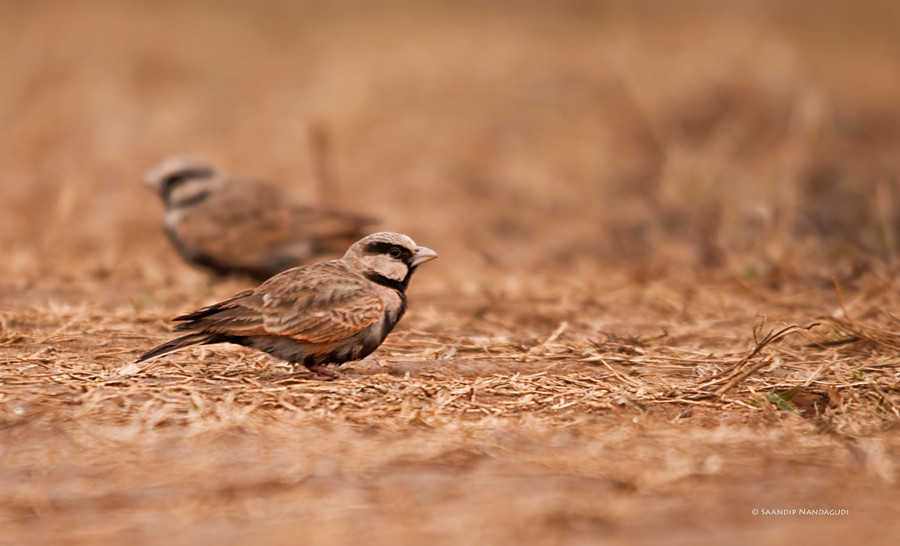
Ashy-Crowned-Sparrow-Lark

Ashy Crowned Sparrow Lark

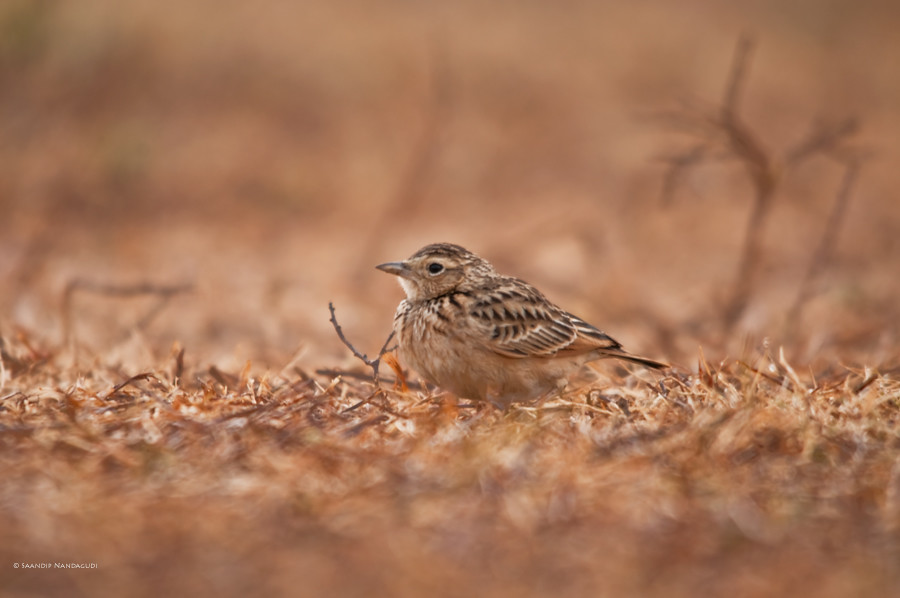
Pipit

Oriental Skylark

The best time to reach here is 7:00am or 3:45pm , Car pooling is advised , never leave your car alone & walk around when there is not much of light. We saw around 5 cars of birdwatchers & photographers , SUV’s are better option but a hatchback can also be taken here.

 Common-Stonechat-Male

Common Stonechat-Male

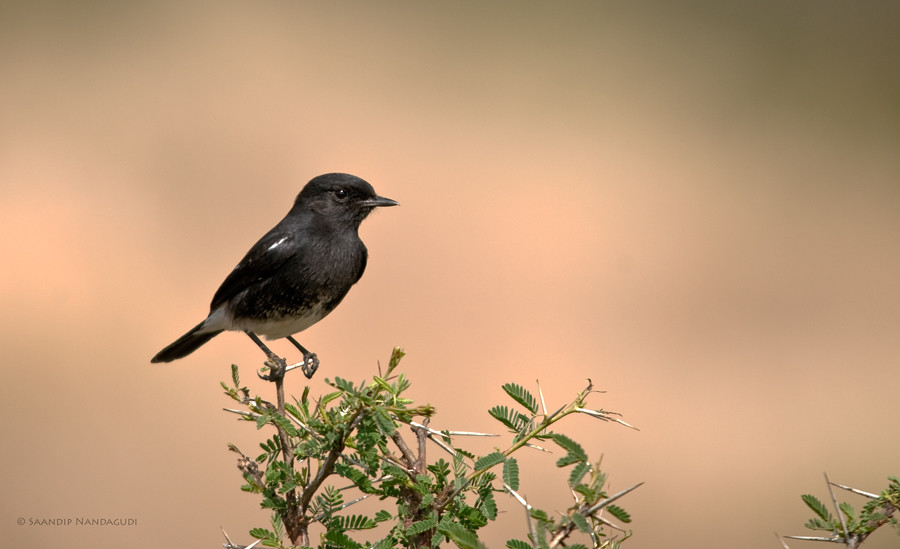
Pied-Bushchat-Male

Pied Bushchat – Male

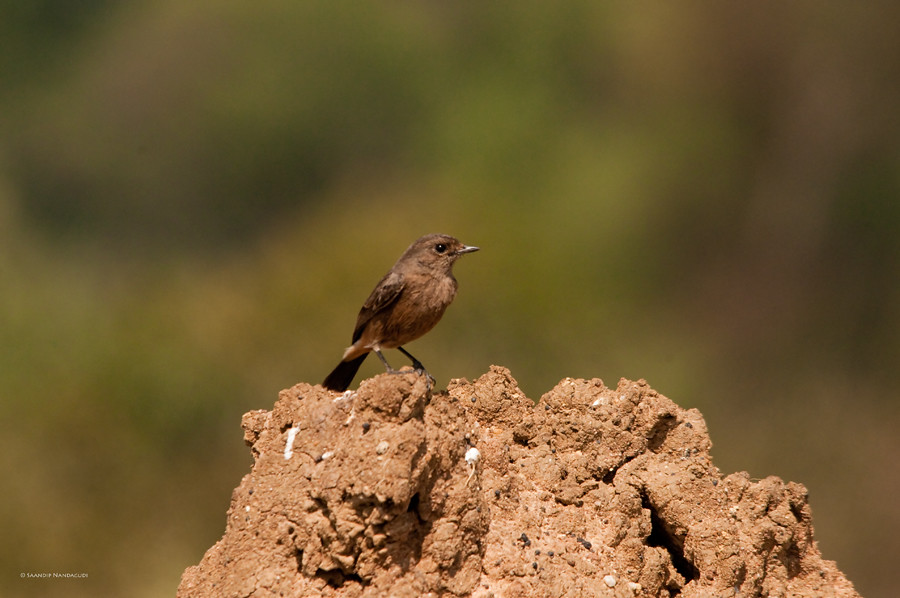
Pied Bushchat-Female

Pied Bushchat – Female

Hessarghatta

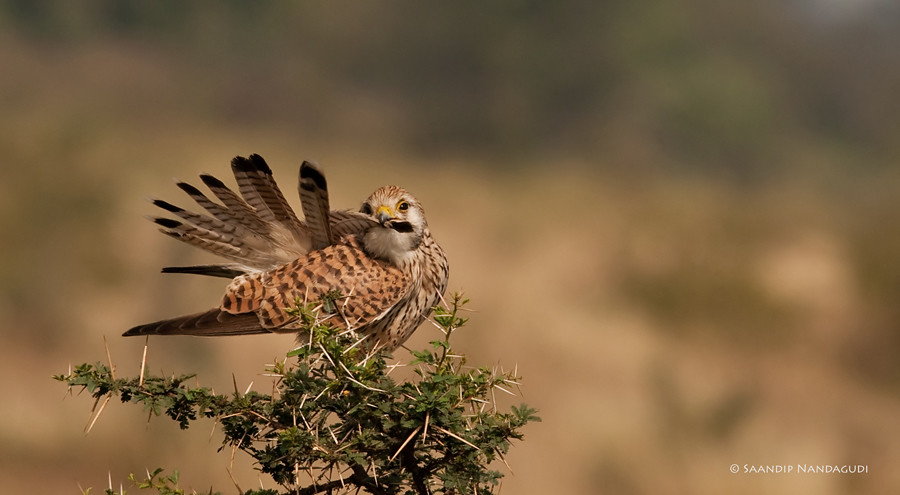
The lifer of day was the Common Kestrel – Female which was leisurely basking & preening in early warm sun like a woman combing her hair gracefully 😉  .

Common-Kestrel

Common Kestrel – Female

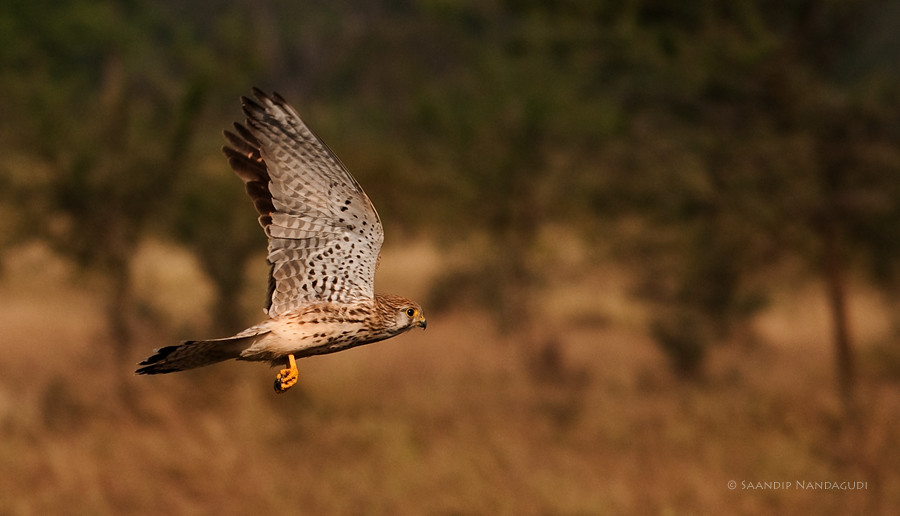
Posed us for a longtime & nearly ate up half of our memory cards & flew to a new perch in search of food, cant believe it missed to catch a big grasshopper 🙂 .

Common Kestrel

Common-Kestrel

We drove further to other parts of this place in search of birds, Hesarghatta is approx 360 acres comprising of grassland, lake , dry land & trees.

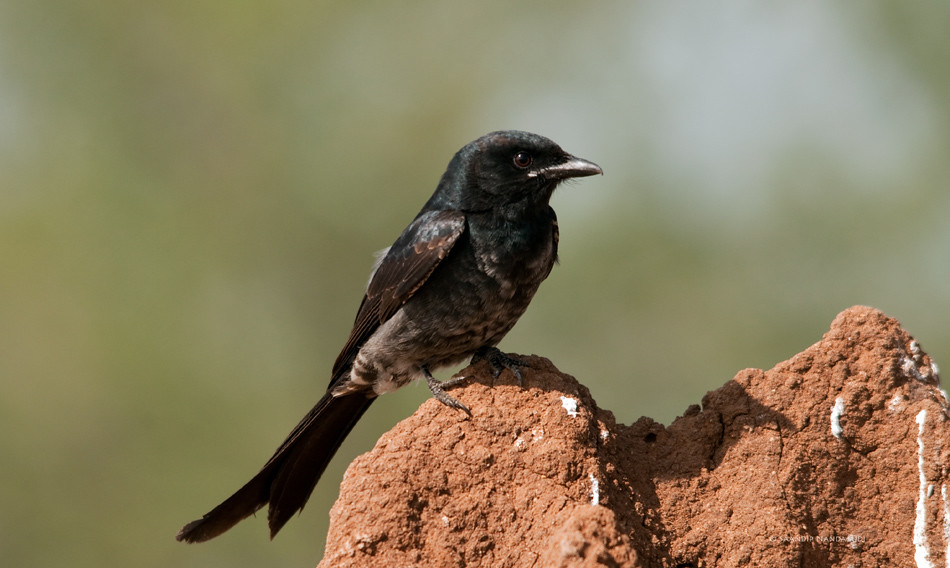
Black-Drongo-immature

Black Drongo – Immature

Rosy-Starling

Rosy Starling

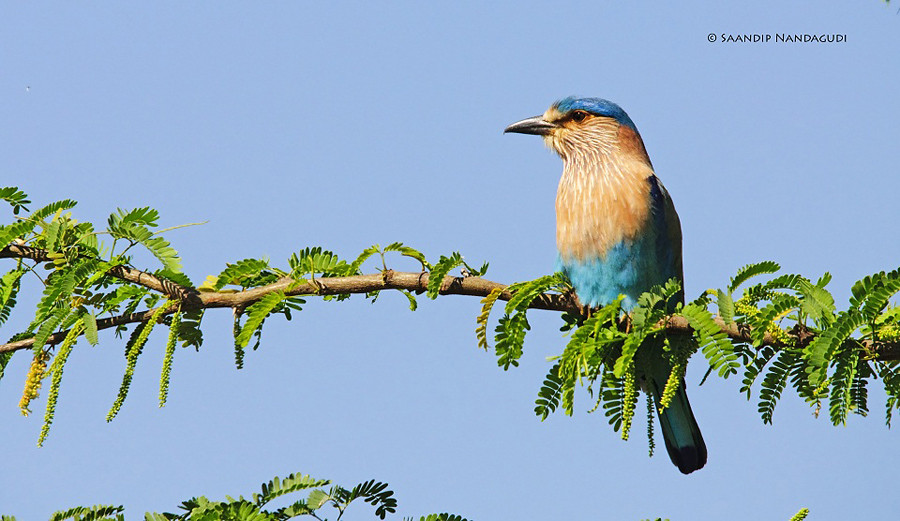
Indian Roller

Indian Roller

Shrike

Bay Backed Shrike

Longtailed-Shrike

Long Tailed Shrike

CS

Rufous Tailed Shrike

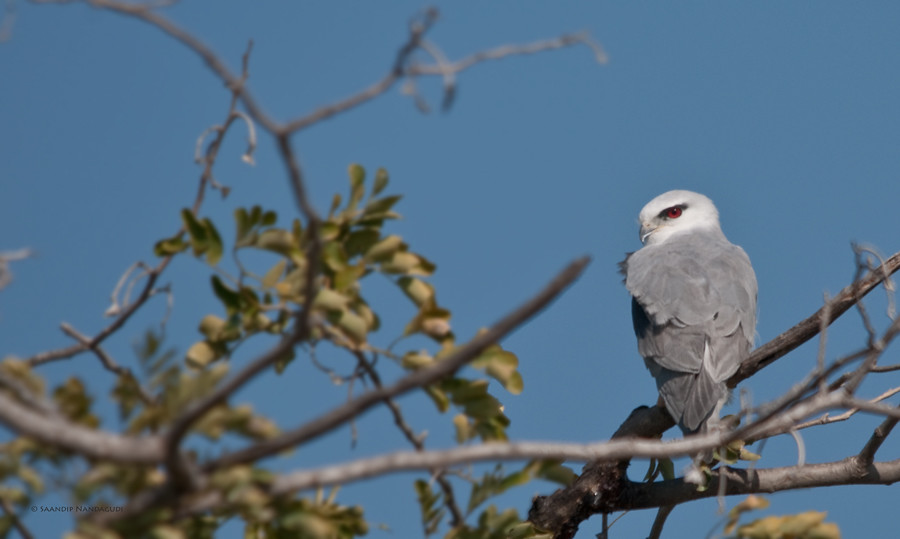
Kite

Pariah Kite

Would love to visit again but definitely during noon till evening as the light would be on betterside for photography & who knows if lucky spot slender loris 😉 till then ciaooooo…

Black Drongo - Immature

Nov 232011


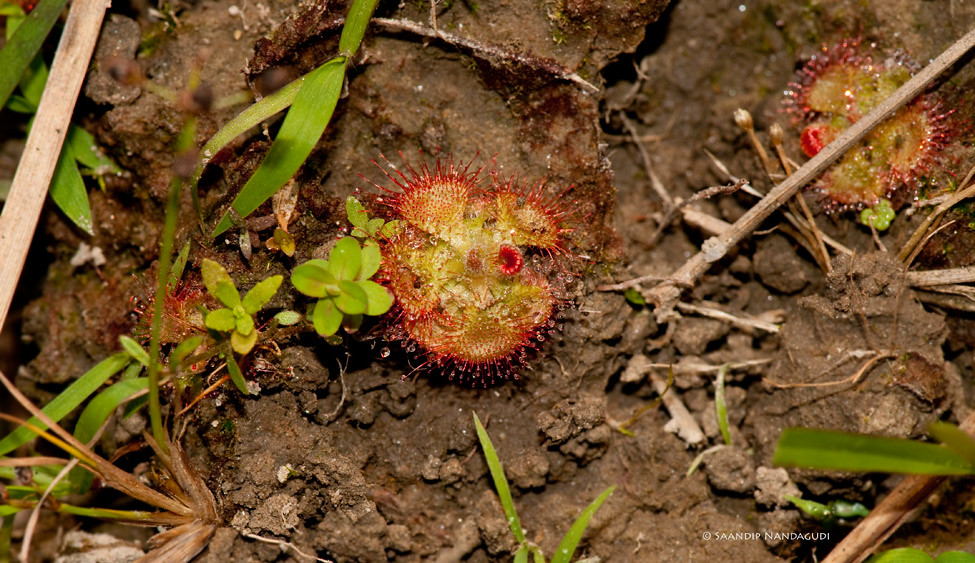
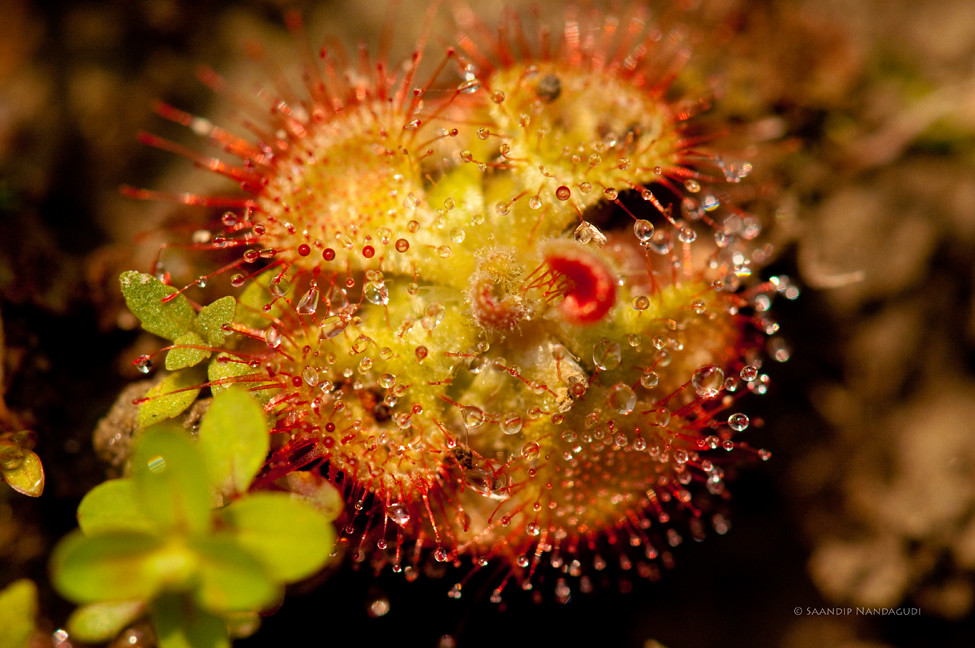
This little insectivorous plant is found growing in muddy edges of ponds, bogs and rivers, where the soil is peaty.It is a small herbaceous, perennial, aquatic plant, with short and slender fibrous root. Their leaves are orbicular on long stalks, depressed, Iying flat on ground and have on upper surface long red viscid hairs, each having a small gland at top, containing a fluid, which looks like a dewdrop, hence its name ” Sundews”.


Drosera - Sundew

Drosera (Sundew)

These hairs are very sensitive, they curve inward slowly and catch any insects which alight on them; the fluid on the points also retains them. After an insect has been caught, the glandular heads secrete a digestive fluid which dissolves all that can be absorbed from the insect. It has been noted that secretion does not take place when inorganic substances are imprisoned.

Drosera - Sundew

Drosera (Sundew)

The hairs are stalked glands and produce digestive juices that decompose the trapped prey. These digestive enzymes, including protease and phosphatase, increase in production once a prey has been captured.

Drosera - Sundew

Drosera with trapped insect

This plant plays an important role in medicines & certain species of these plants are used for curing Lung related diseases like asthma & chronic bronchitis.


Sep 072011
 

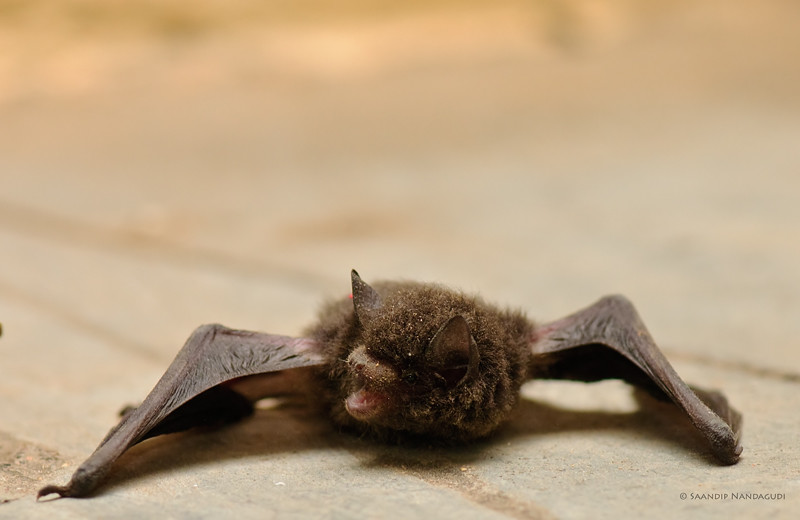
I saw something crawling near the stone bench at my backyard, it was a bat!!! first I thought it was a fruit bat which is usually seen near my home. We have a mango tree & also a fig & silk cotton tree 300Mtrs away from my home. So, fruit bats are usual & sometimes they are seen hanging dead on electric wires. They make lot of noise at our backyard during night. But this was no time for fruit bat at my backyard as they are come during Mango seasons i.e Feb to June.

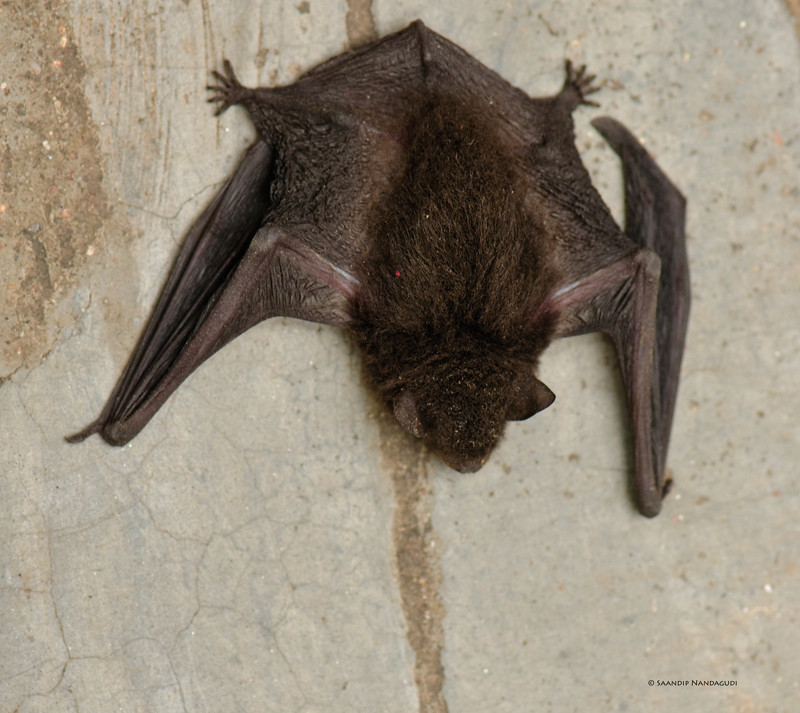
PipistrelleDorsal View of Pipistrelle Bat

It was around 4-5 cms long from nose to tail & had a wingspan of 19-20cms.First I thought it was a Juvenile fruit bat & on close observing its mouth & nose portions it seemed to be different. It was very weak & had a shivering crawl . So, thought of feeding it with some fruits & tried feeding it in very tiny pieces but the bat refused to turn towards the fruit, So thought of feeding it honey mixed with little water by a filler. To my Luck !! it started sucking & drank nearly 3 tablespoons. I took some photographs & left to office, hoping it to be there when back for lunch.

Pipistrelle

When returned it wasn’t there & seemed to have climbed a small coconut tree top as told by my father.

Pipistrelle

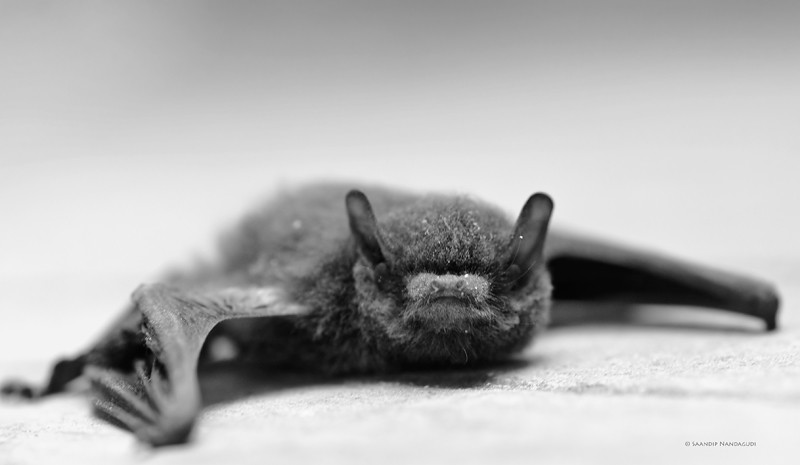
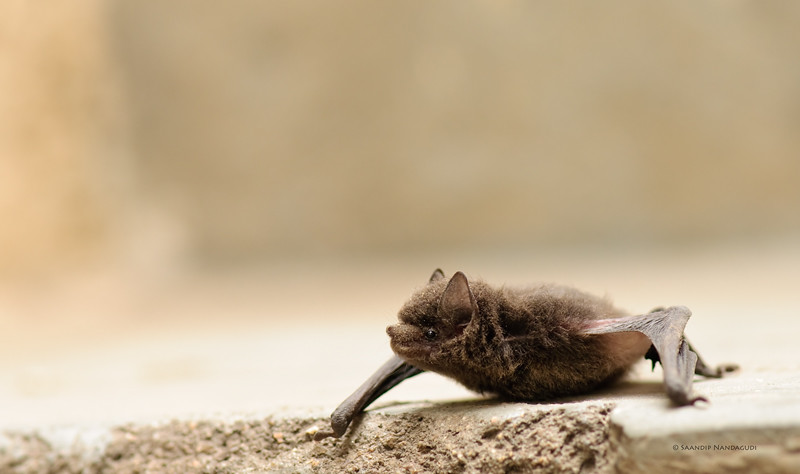
I emailed the photo to Karthik for Idying & came to know that it was an Insectivorous Bat species Pipistrelle .


Pipistrelle

Pipistrelle Bat

Surprised & laughed that i tried feeding a Non-Veggie with Veggie food 😀 .. But the energy filled honey made it crawl for some safe place & hope it is in good shape.

Thanks for reading folks 🙂

Aug 032011
 

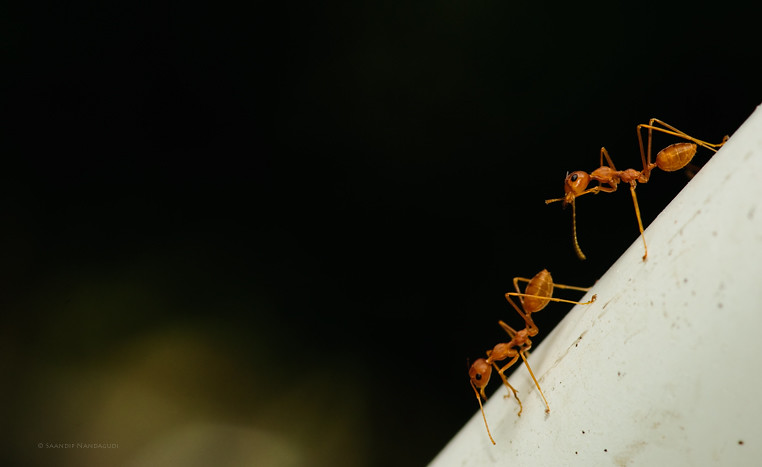
Ants are particularly good animals to mimic, (Yes its an animal , it belongs to Insecta Class, Anthropoda Phylum,  Kingdom Animalia) Firstly because they available in large numbers & they are distasteful to many other animals or dangerous to eat. So by looking like an ant, the spider mimic is less likely to be noticed or eaten. Few spiders not only look like ants but smell like them as well. By smelling like the ants, the spider is able to enter the ants nest and steal their young ones. These spiders are such good mimics that they trick not only animals that eat ants but they trick the ants as well.

Recently I had attended a Nature Photography workshop at Bandipur. During my stay we had little time or breaks in between our workshop schedule & I used to wander around JLR campus hoping to photograph birds as I had seen Munias, Sunbirds & also Baya Weaver carrying nesting materials. Once while walking down the path towards outskirts of campus, I noticed red ants climbing a water pipe used for gardening.

Ants

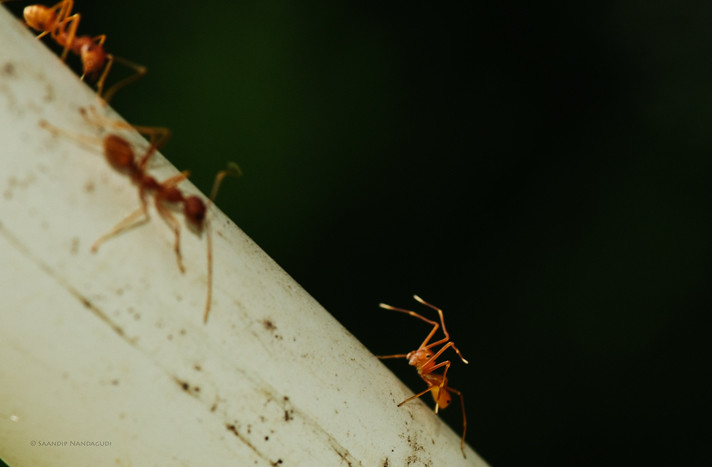
On close observing found peculiar behaviour of the ant raising its fore legs for other passing ants.

Ant - Spider

Ahh !!  it was an ant mimic spider !!!

Ant Spider

See my earlier post on similar mimicry of Mantis & spider here .

Jul 282011
 

Prakruti Creations led by Mr.B.Srinivas & Mr.H.V.Praveen Kumar both from YPS Bangalore arranged a 3Day Nature Photography Workshop at Bandipur  Karnataka from 21st-23rd July 2011 & stay was at the very best Jungle Lodges Bandipur 🙂 .

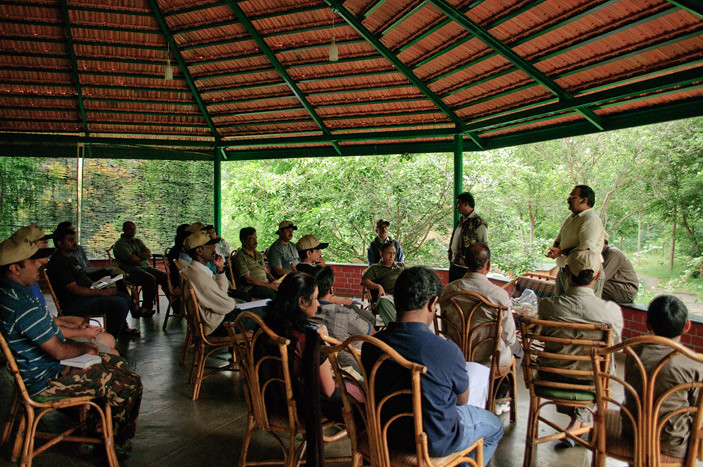
We all left Bangalore at 6:30 in morning, had breakfast at Ramanagara & reached JLR campus at around 11:30am covering 220Km from Bangalore.  We dumped luggages in the cottage, rechecked gears , a quick freshen up followed by an Icebreaker on workshop. Totally 22 Participants took part in this workshop including some kids who accompanied their parents.

Intro

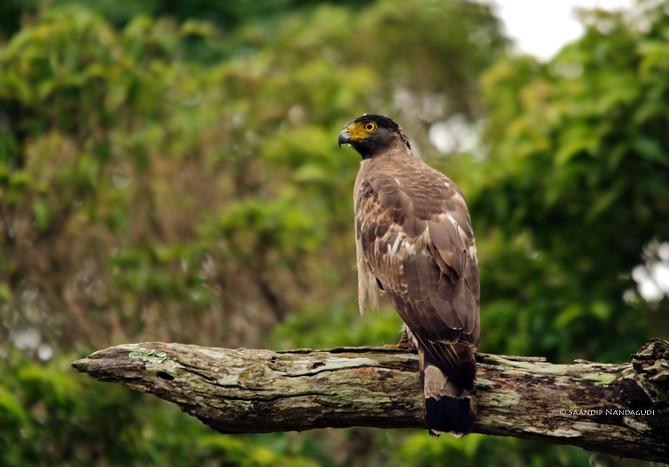
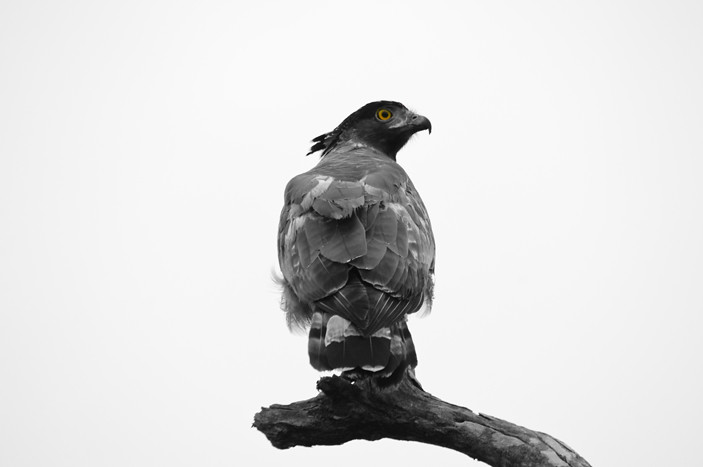
The kickoff to some action started with Crested Serpent Eagle on way to park & photos shown are shots of the entire 3day trip at Bandipur National Park .

CSE

CSE

Crested Serpent Eagle

Elephant-calf

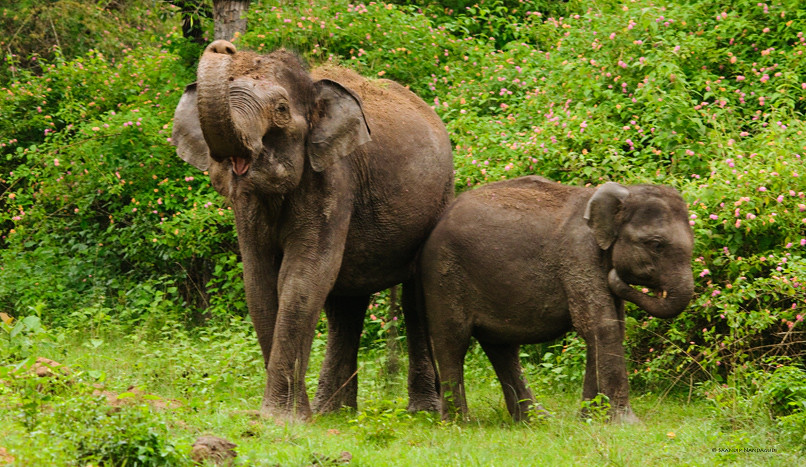
Cow Elephant mud bathing , Calf  scratching & thinking of doing next mischief .

Gaur-Family

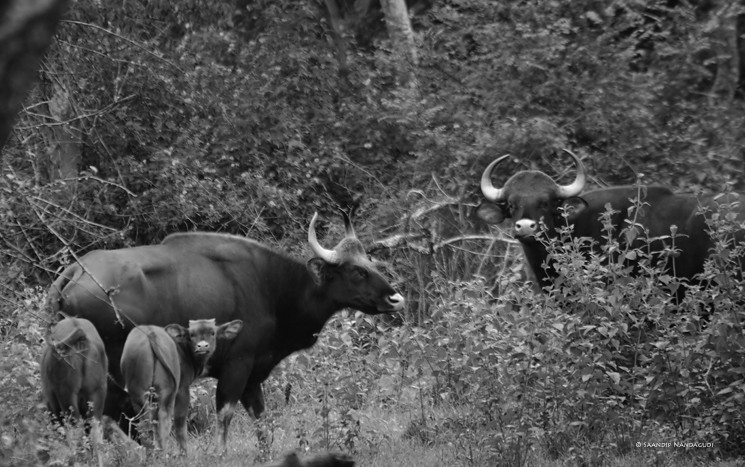
Indian Gaur family grazing the leftover patch of grass. The lighting was dull & overcast so, made it in monotone & also I hate “LANTANA” & “PARTHENIUM” weeds in photographs 🙁 .

Something has to be done on controlling Lantana & Parthenium weed growth in forests, its going to be a major impact on Bio-diversity of grasslands. Please suggest a sustainable & long term solution apart from burning or using toxic chemicals.

Mangoose

Striped Necked Mongoose.

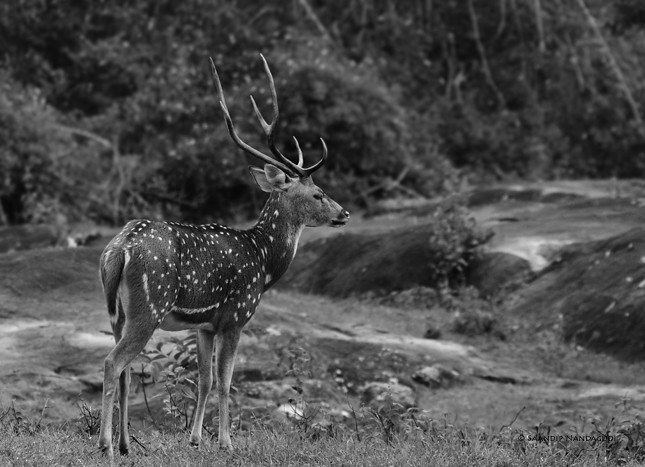
Spotted Deer

Chital or Spotted Deer (Axis axis)

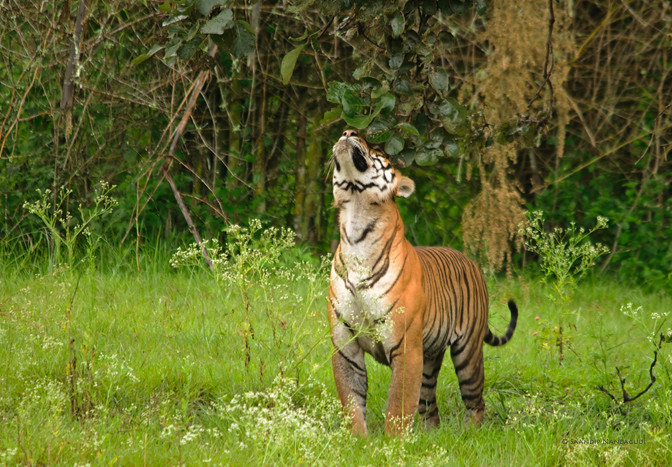
Second day morning safari was really awesome as we spotted Tiger & Tusker at close counters.

Tiger

Sniffing scent markings

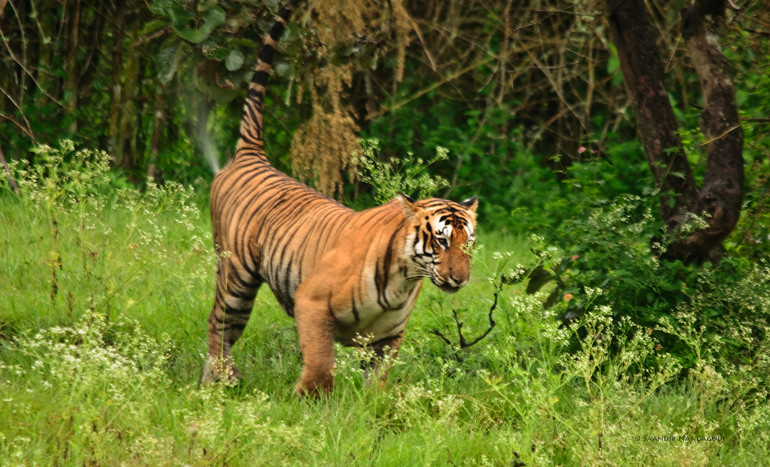
Tiger

I Love the white patch on the back of the ears. Sometimes the white patch acts as False eyes for any predators attacking from back.
Tiger-Marking

Scent Marking the territory.

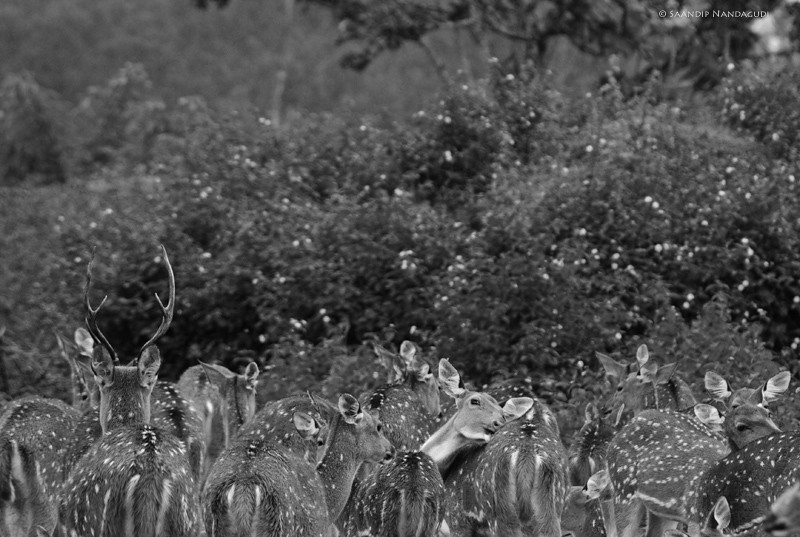
Spotted Deer

Herd of Spotted deers lazing in drizzling rain

Asian Elephant (Elephas maximus)

Asian Elephant (Elephas maximus)

This male Tusker is around 40years of age & you can notice that its huge tusks have met or joined to each other leaving no gap in between the tusks , making it tough to raise its trunk. But he is a real massive & handsome fella of Bandpiur.

Indian Peafowl-male (Peacock)

One more cool guy – Indian Peafowl Male (Peacock) .

Indian Wild Dog (Dhole)

Indian Wild Dog (Dhole)

It was a memorable trip & would love to come back again 🙂 so postponed our Leopard sightings for the next trip 😉 ..

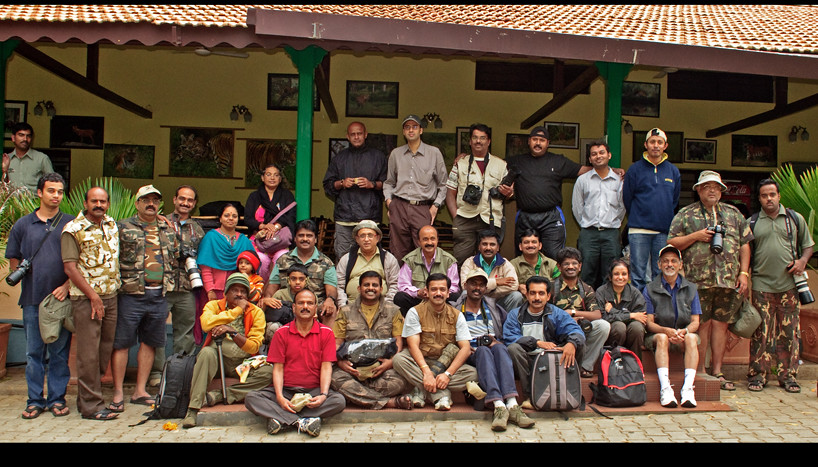
Finally the Group Photo shoot.

Prakruti-Group Photo

For more photographs of Bandipur click Here .

Jul 142011
 

Today  I was mending some flowerpots in my backyard as recent rain had destroyed newly grown flowering plants, While emptying a flowerpot I saw a strange worm, approximately around 4 Cms long.

At first I thought that it was a earthworm & wanted it to be in the same pot as they keep the soil fertile. So,I tried taking that worm out with a small piece of straw & to my surprise the worm moved like a snake inside the pot. Wow this is a strange movement for an earthworm. I then rushed inside brought my camera & took some pictures to have a closer look.

Surprisingly I was able to see it flicking its small tongue. This caused more curiousness which resulted in search on this worm on net.

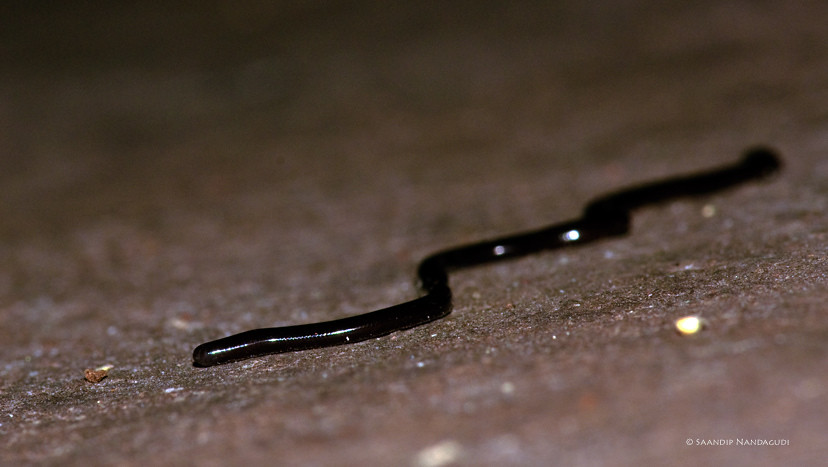
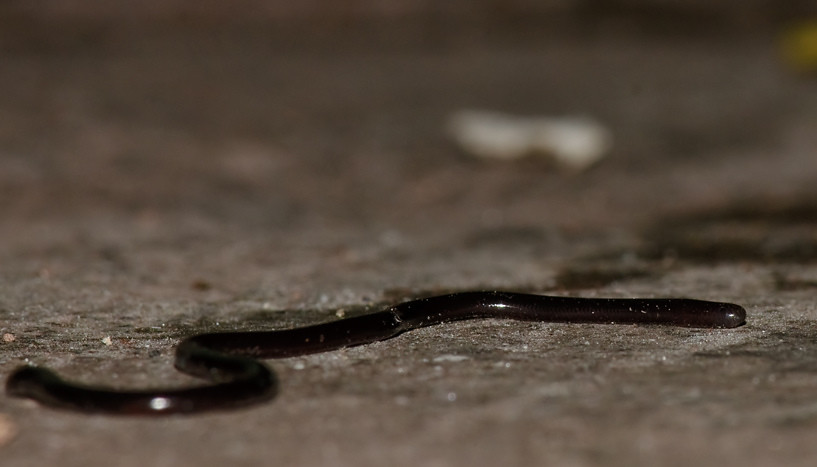
Brahminy Blind Snake

Brahminy Blind Snake (Ramphotyphlops braminus)

My father helped me in holding it on a paper as I wanted to see if its eyes can be photographed. Have also used his thumb for size scaling.

Brahminy Blind Snake

Well finally found that it is a Brahminy Blind snake which is harmless :).

Brahminy Blind Snake

If observed closely the eye is seen as a small pale black spot near the right edge of its body in the photo.

Its eyes are hidden inside a translucent skin,it is a blind creature which can sense the change in intensity of light. Its commonly called as flowerpot snake.

Knowing that its harmless,I then put it back to the same pot & filled the mud with a small plant. Hope its safe there 🙂 .

After reading much about it,found this informative video of BBC on YouTube.

please install flash
Jul 032011


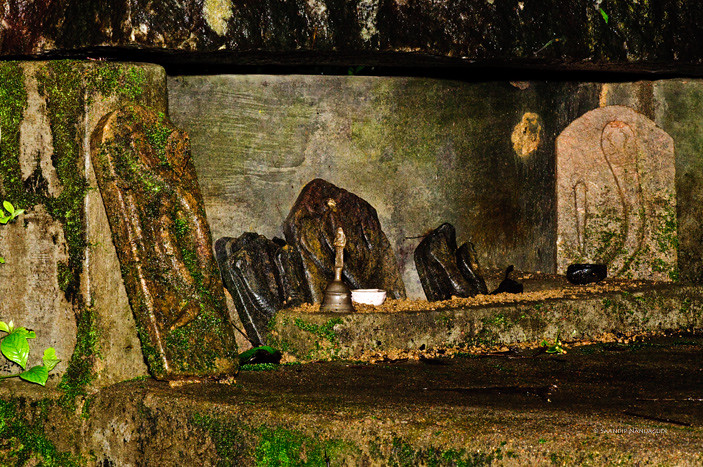
NagkalluAll small shrine is maintained at ARRS Campus where Snake god (Nagappa – in kannada) is worshipped

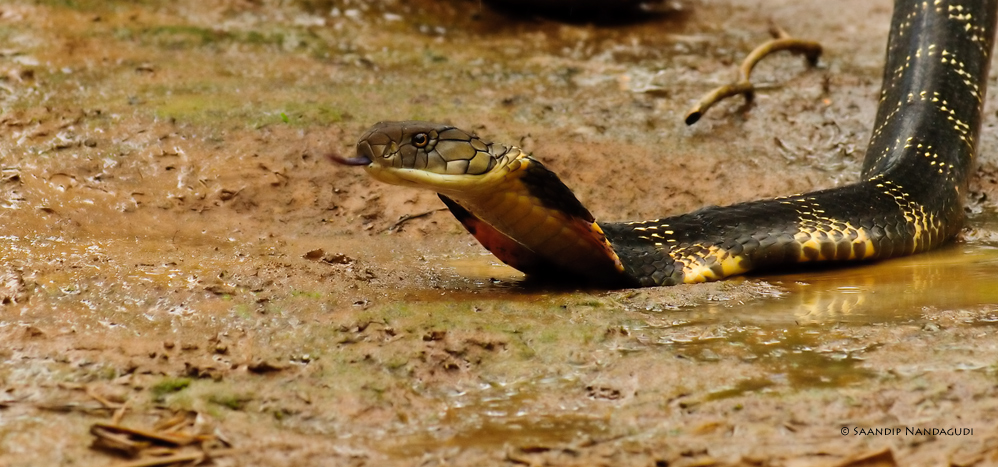
King Cobra

King Cobra

King Cobra -Female

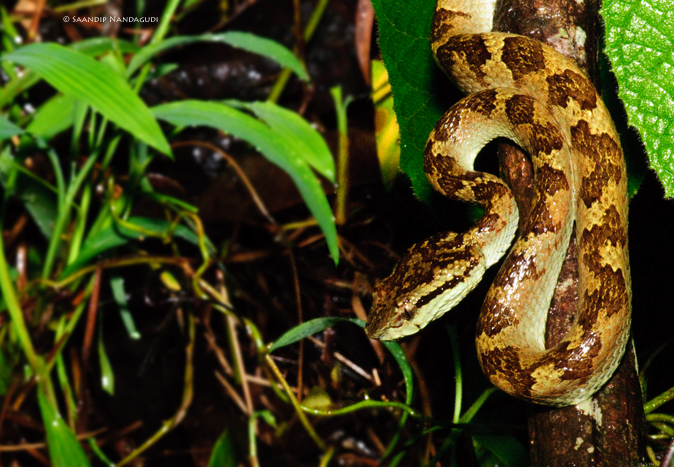
Malabar Pit Viper

Malabar Pit Viper

Malabar Pit Viper.

Green Vine Snake

Green Vine Snake

Green Vine Snake.

Hill Keelback

Hill Keelback (Shredding time so the eyes looks blurred with the extra skin covered)

Calotes Calotes

Calotes Calotes

Cicada

Cicada.

May Fly

Mayfly.

Large Stick Insect

Giant Stick Insect

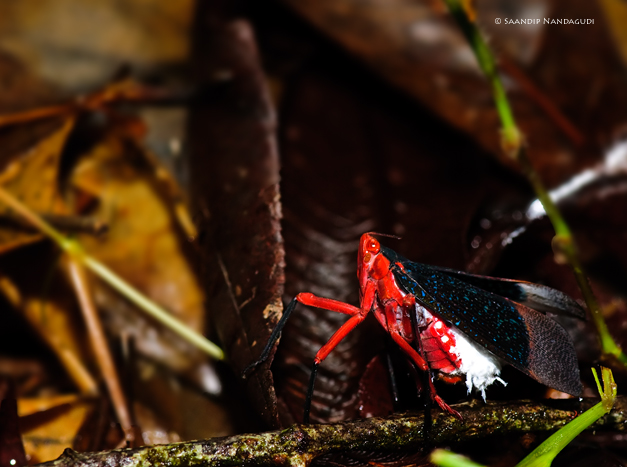
Hopper

Fulgoridae | Kalidasa nigromaculata

Cricket

Cricket Insect

Damsel Fly

Damselfly

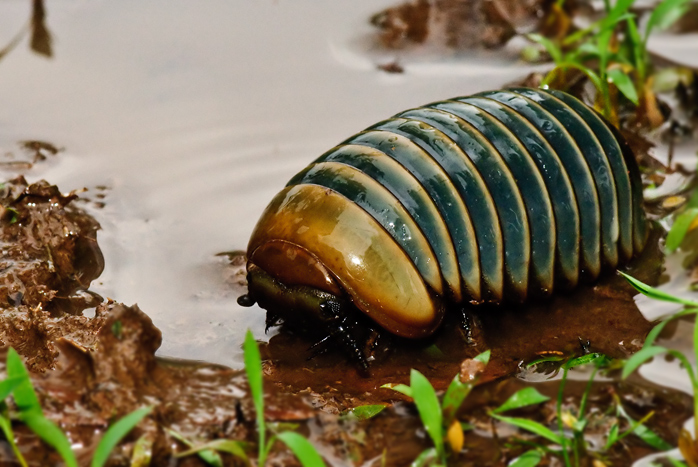
Pill Millipede

Pill Millipede.

Hopper

A beautiful Tree Hopper Insect

More photos of Agumbe click here

Jul 022011
 

Agumbe has many species of amphibians & I always wanted to photograph the charismatic Malabar Flying Frog & Draco (Malabar flying lizard), unfortunately i dint get any photos of Dracos as it usually comes out during sunshine but our three days were wet & pouring :).

Malabar Gliding Frog

Malabar Gliding Frog (Rhacophorus malabaricus)

Amboli Bush Frog

Amboli Bush Frog

Leaping Frog

Leaping Frog

Common Indian Toad

Common Indian Toad (Duttaphrynus melanostictus)

Rufous Cricket Frog

Rufous Cricket Frog.

Golden Frog

Golden Frog.

Skitter Frog

Skitter Frog.

Bull Frog

Bull Frog.

False Hourglass Treefrog

False Hour Glass(Tree Frog).

Malabar Gliding FrogMalabar Gliding Frog (Rhacophorus malabaricus)

See more photos of Agumbe here