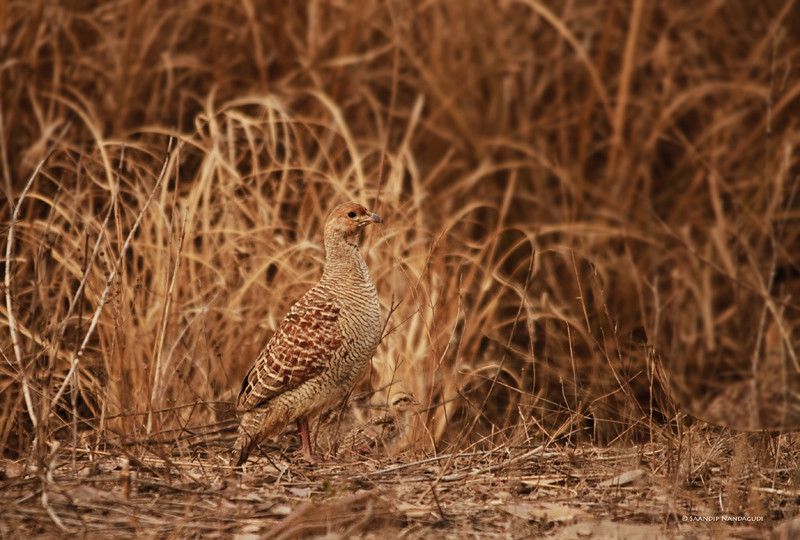
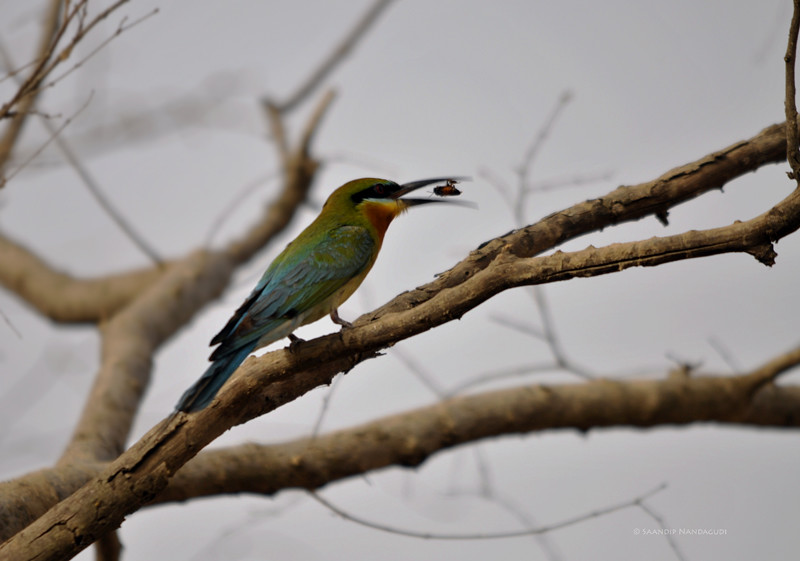
Saandip Nandagudi

Jul 022011
 

It was a three day photography tour at Agumbe, the first day ended up meeting & rescuing the King. Second & third day was full of life as we found many species of Insects, Amphibians & Snakes .

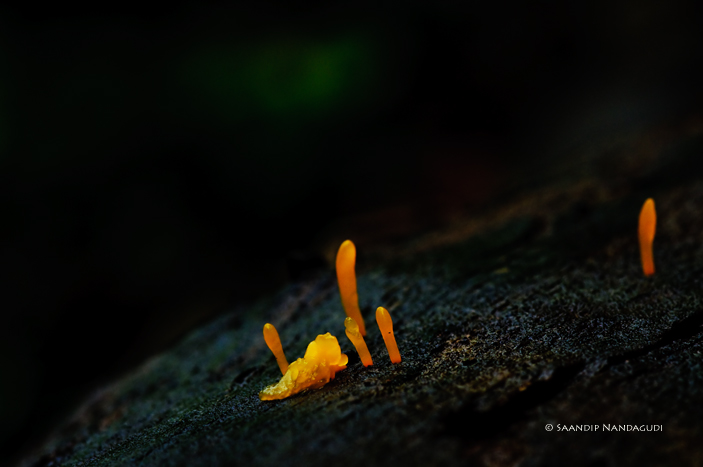
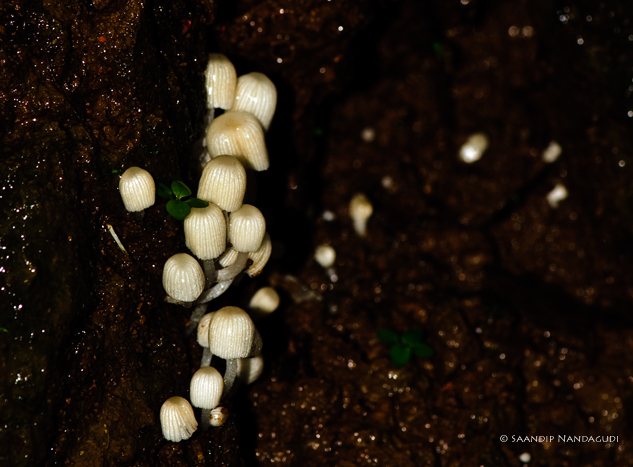
Agumbe rain forest is the perfect example for bio-diversity & is alive every minute, I would say “Never take a step without a camera in hand” .Β  The fun-guy(fungi) of rain forest are so amazing that it comes in all sizes & forms.

calocera cornea

Calocera cornea

coprinus-disseminatus

Coprinus Disseminatus

xylaria

xylaria

Weird looking fungi too πŸ˜€

Lenzites sp

Lenzites sp

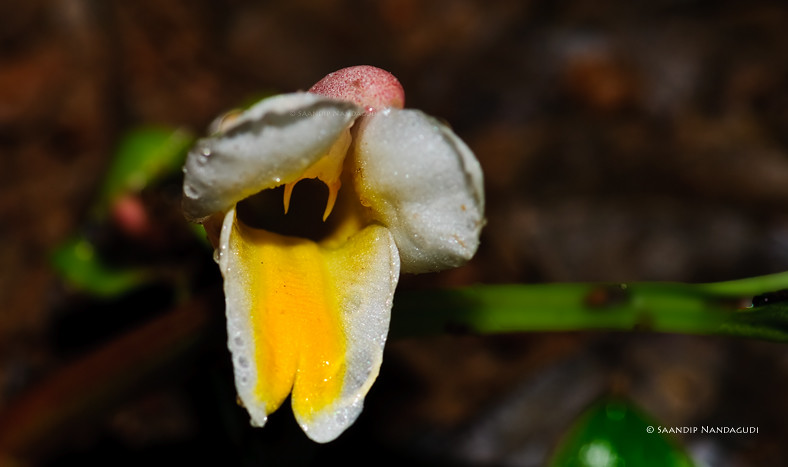
Even the dead leaf or the blooming flower is trying to immitate the King here πŸ˜‰

Flower

For more photos of Agumbe click here.

Jun 282011
 

Visiting Agumbe was always on my wish list & monsoon is the best time to visit. Darter led by Shreeram was conducting a photography tour at Agumbe & I confirmed my participation. This tour was accompanied with famous Herpetologist and Rain forest expert Gowri Shankar who had featured in β€˜The King and I’ and β€˜Secrets of the King Cobra β€˜by BBC and the National Geographic Channel.

Gowri Shankar

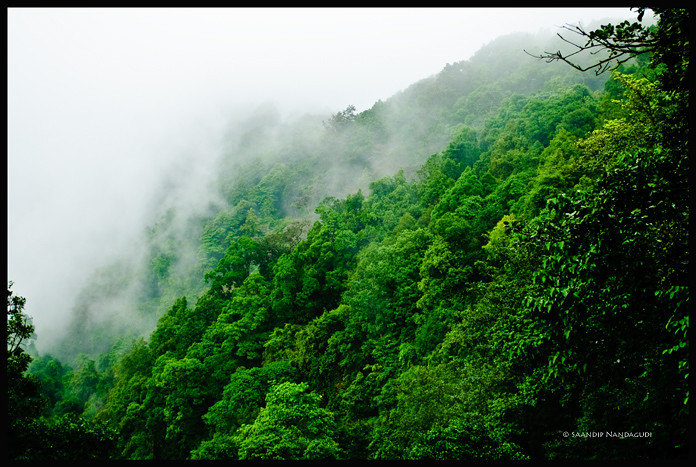
Agumbe is a beautiful village situated on the top of Someshwara Ghat & is surrounded by picturesque nature with lush green, as this place receives an annual rainfall upto 11000mm so referred as Cherrapunji of South India. Agumbe is 643mts above sea level, lies in core of the western ghats which is identified as world’s Biodiversity hot spots.

Agumbe-Ghat

Agumbe rain forest has many mammals , birds, insects & herps which are endemic to this region & in particular Agumbe is a flagship of world famous longest venomous snake the “King Cobra” .

Rain

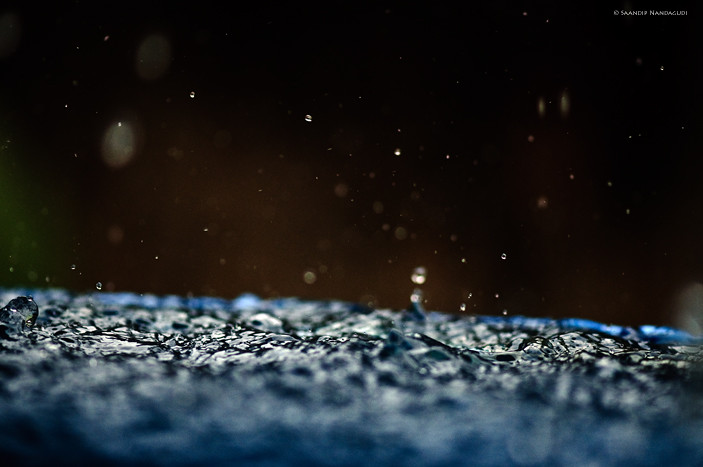
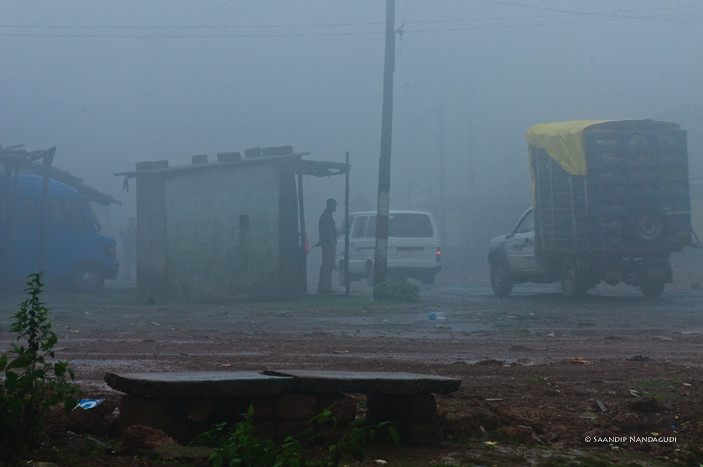
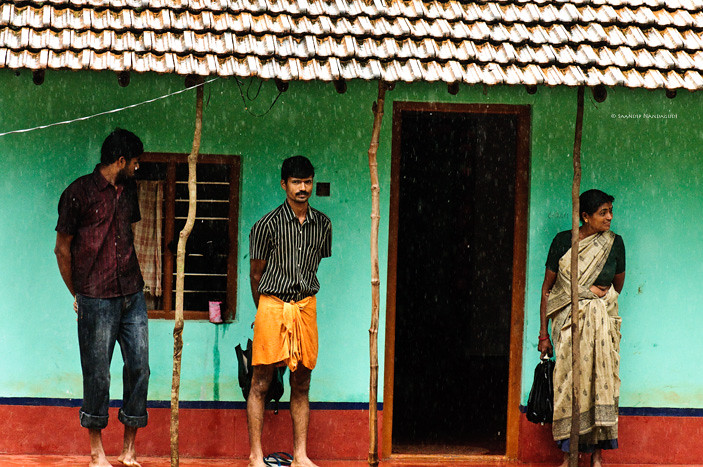
Well my journey starts with an overnight bus from Bangalore & reached Agumbe at 7:00am, we were greeted by lush green surroundings & pouring rainfall, I would say its awesome to see Agumbe in this way.

Agumbe-Village

Soon a waiting Bolero & a van picked us from the busstop to the ARRS base camp. Finally laid foot on wet ground gussling water stream with 2feet zero visibility foggy place accompanied with background amphitheater music of insects, malabar whistling thrush & tic tic taaat sound ofΒ  frogs , laughing calls of Malabar Horn bills..Wow its a heaven on earth. Soon I found leeches somersaulting on my pants & greeting with a welcome gesture πŸ˜‰

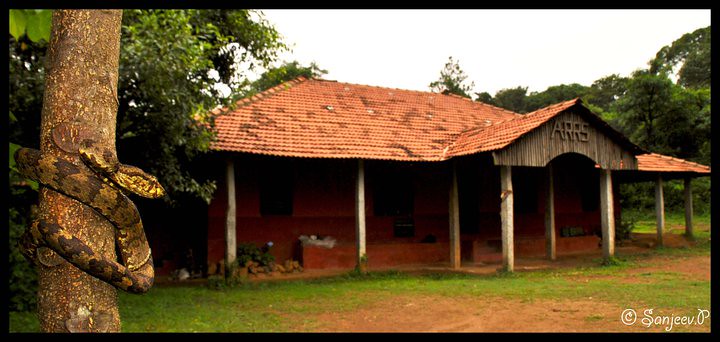
ARRS belongs to Draco trust & Rom Whitaker started this setup during 2005.

ARRS-Sanjeev

Photographed by Sanjeev Pednekar

ARRS has a main building called the camp with dining area, kitchen, toilets & a dormitory for Researchers & Students. It has a separate office with a library for those who come here for carrying out research studies. ARRS is well maintained using solar powered lights & use of fresh water from streams. Hot water was available 24hrs a day during our stay.

We were told to pitch tents at nearby places & come to main building only for food & freshen up.

A hot water face wash , yummy breakfast & kadak tea was a kickoff for the day, Soon Gowri got a rescue call on his mobile that a King Cobra was seen inside a villagers store room.

Villager-rescue

Hut-Rescue-place

Store room where the King cobra (Female) was found .

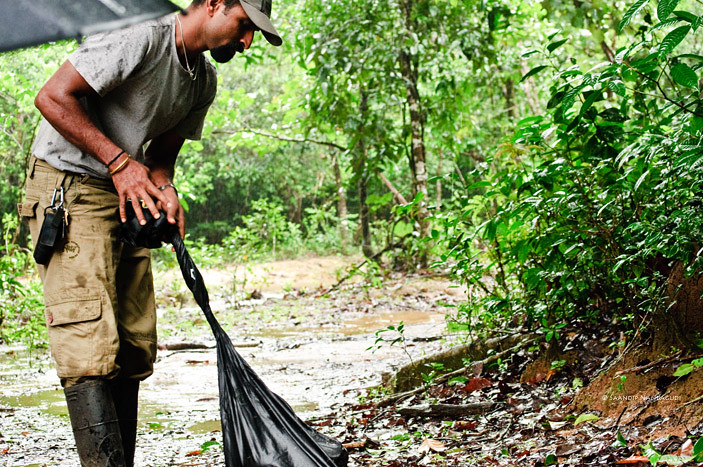
Gowri led our team to the spot , We were allowed to help in clearing the pile wood in orderly manner & told to observe from safe a distance. Finally after 3hours of teamwork the King was brought out by Gowri & Prashanth. It was then showed to us how they handle the king in gentle manner, to my knowledge the way others catch a snake shown on tv in other parts of the world could be called “snake molesters“. It was entirely different here & I would say Gowri’s team handled it very gently as the king was very calm but gave us a breath taking look. It was then transferred to a big bag & headed to the release place. When released in the forest King gave one more royal look at us & moved into the dense forest with its head raised 2feet from ground for about a distance & then puff it disappeared. Wow!! the entry & exit was a royal King’s way πŸ˜‰ ”

Prashanth

Prashanth releasing the King in the forest.

King Cobra

King giving a dare look when released.

Wow what a feeling seeing King at 5 feet in the forest. We were then briefed on how ARRS is working on towards protecting this wonderful species & really they are doing their best. Every villager in Agumbe salutes Gowri when seen & he has gained this faith by educating the local villagers by meeting them personally , briefing children at schools, & also the forest department. These endemic species convey a strong message “Needs to be protected”.

King Cobra -Female

It was a great pleasure to watch the King on move & also felt equally honoured that I shook the hands of the King (Gowri)

Prashanth

Prashanth

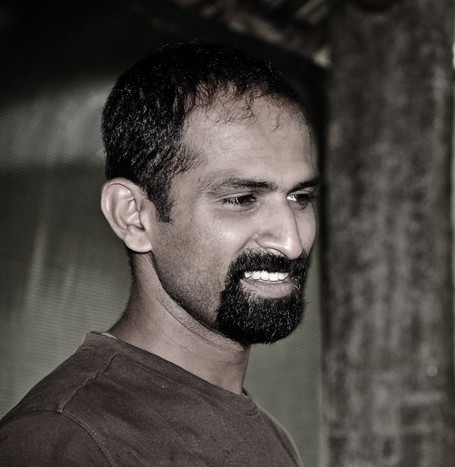
Prashanth, incharge of ARRS is taking care of arranging logistics & getting the work done from local people, take rescue calls when Gowri is not around or travelling as he is equally trained in doing so.

Useful links

Darter

ARRS

Gowri Shankar

Snakes, Snake Bites & First aid

Snake Rescuers across india

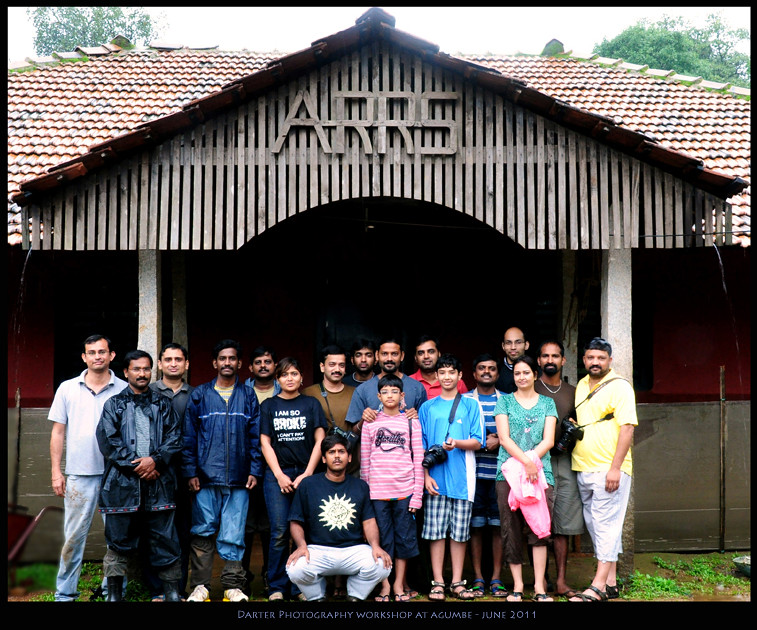
This group photo was taken on the last day of the tour πŸ™‚

Agumbe-Groupshoot


Thanks for reading, Watch out for more photographs & write-ups on flora & fauna of Agumbe in my next posts.

Jun 222011
 

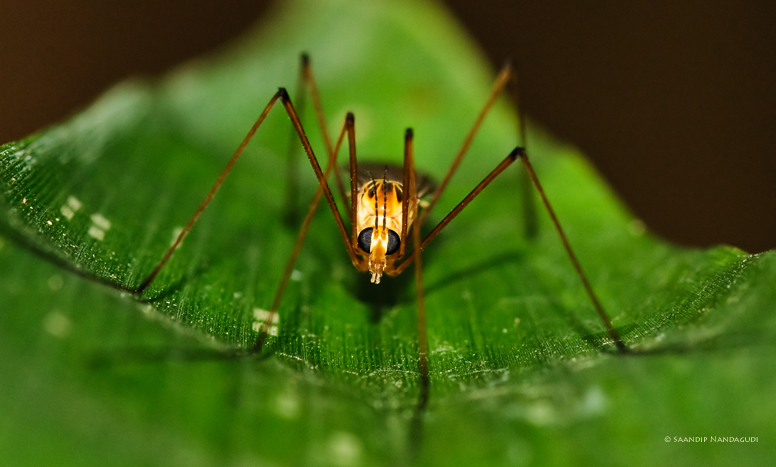
Its not a BIG mosquito & they don’t bite too, they are not abnormal mosquito either but a Crane fly commonly called as “Mosquito Hawk” but it doesn’t prey on mosquitoes either . There are many species of crane flies but i stumbled across this particular species (Nephrotoma Suturalis Wulpian)

Crane Fly (Nephrotoma Suturalis Wulpian)

Crane fly belongs to Diptera family (Two wings), The adult are harmless but the larvae maybe harmful to grass & lawns in garden.

Crane Fly (Nephrotoma Suturalis Wulpian)

Behaviour & description was extracted from Internet & not observed by me .

But pictures are definitely mine πŸ˜‰

Crane Fly

Thanks for reading & its only my attempt to say that its harmless & could be saved from squashing.

May 192011
 

Came home afternoon for lunch & as usual will have little time before we start & i was watching TV, My two daughters were playing in the backyard as they are having summer holidays, Knowing that i was home they came inside & told me that they saw a different kind of spider in the garden today, I then hurriedly went to see what they were pointing to & it was a Lynx spider. I had not seen lynx spider in my backyard before & wanted a photo of it.

Told my daughter to keep an eye on spider while i get my camera, fortunately the spider had not moved from that place.


Lynx SpiderLynx Spider

Lynx Spider.

After taking some photographs i saw an black ant like thing on the Champak plant (Sampige in Kannada) , but on close observation i discovered it was an Ant Mantis & its size similar to an black garden ant.

Ant Mantis

A small red ant is also seen in the pic for comparing the size.

Ant Mantis

Ant Mantis (Odontomantis planiceps)

This species is so called as they tend to do mimicry of an ant when they are young & this is an first instar nymphs (Instar=A developmental stage of arthropods, such as insects) & when it reaches adulthood its coloured is gradually changed to green.

Ant mantis

Also a few days back i had taken one more photograph of a species who does same mimicking of ant & it was not mantis but the spider.

This was observed on the lemon plant as i was watching this plant for several days since it had a butterfly pupa. But to my surprise i saw a big red ant like thing which was very shy & to my surprise it was the “Ant like Spider” belonging to Jumping spider family.

Myrmarachne plataleoides (Ant like – Jumping Spider)

This spider mimics the weaver ants & stay close to their colonies so that other spiders don’t eat them, also the weaver ants are not easily preyed by birds & insects due to their ferocious bite & foul smell of formic acid formed when they are tamed & ant spiders get their protection.

Read more what Guru-G says about these species on this link

Apr 212011
 

It was a hot afternoon yesterday & I had some strange visitors in my backyard, After lunch I went to my backyard for a casual walk & saw a unusual patch near the small bamboo plant, on close observation i found that a mantis was displaying its defensive behaviour (Opening wings & showing brightly coloured reddish pink under wings & arms wide open. I then hurriedly brought my camera & to my surprise it had just hopped on to a nearby dried mango branch.

Flower Mantis
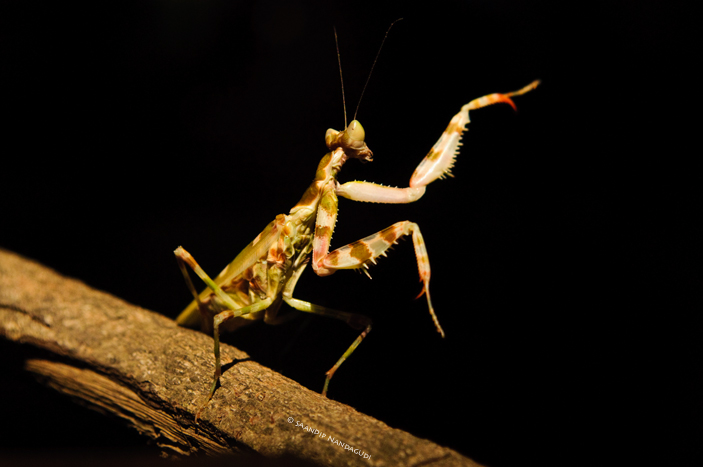
Creobroter – C. gemmatus (Flower mantis)
Thanks to Karthik for idying it for me.

After taking some closeup shots I just wondered why it was displaying its defensive behaviour when no one was moving around ,Β  So i moved back to the bamboo plant where it was seen first & to my surprise saw a crab spider & it was crawling on the same place where mantis was before.

Crab Spider

Crab Spider
Thanks to Vittal for Idying the spider for me.

I had not seen these creatures in my backyard so far & i hope that mantis displays its defensive behaviour.

Mar 142011
 

no images were found


It was a last minute decision between Nandi Hills & Hessarghatta lake. We picked Nandi Hills as we it was a long time we had visited this place in early 2010. Reached there by 6:15am & it was still foggy, we dint go directly to the top of the hill as it will get crowded on Sundays by travellers.
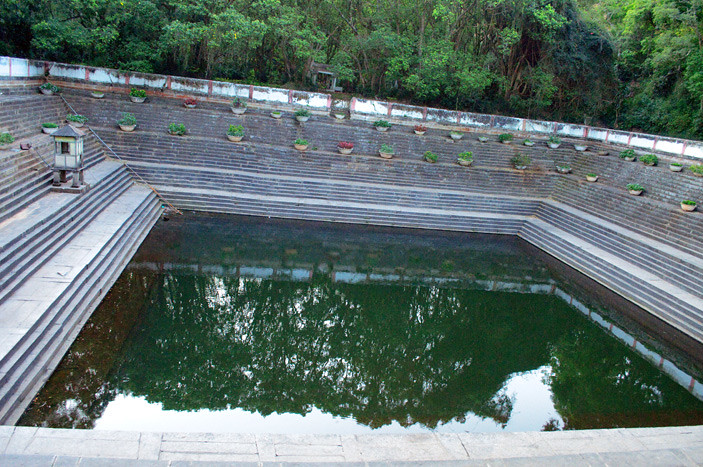
So stopped near the Tank ( Kalyani) area & started moving around near the Horticultural nursery.

-

Kalyani

-
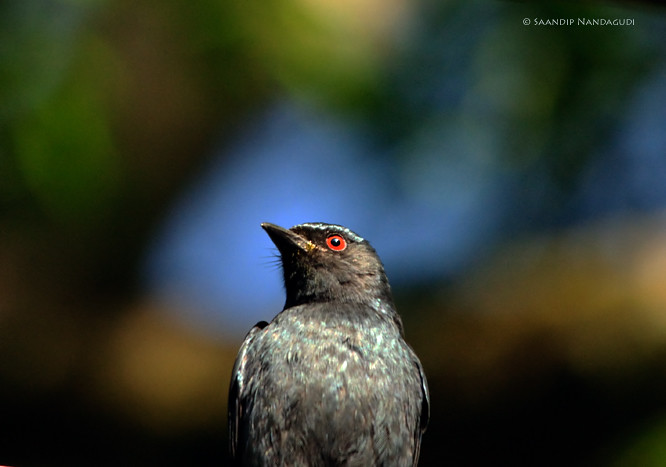
Ashy Drongo
-
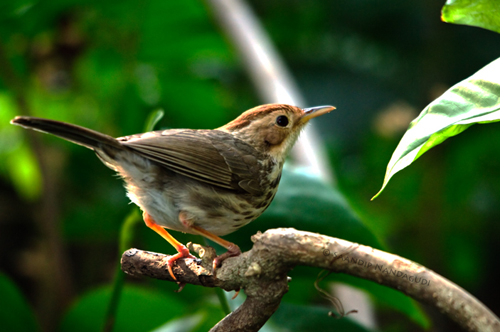
Puff Throated Babbler.
The Puff Throated Babblers in India are quite different with the one in Thailand, size of the bird here is bit big compared to Thailand.
-
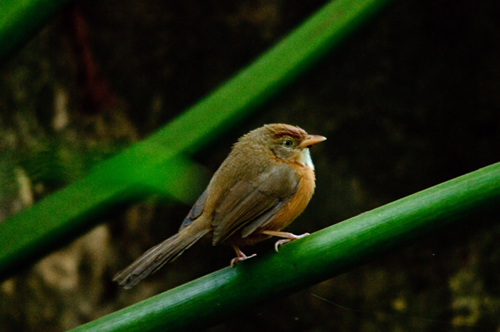
Tawny Bellied Babbler
-
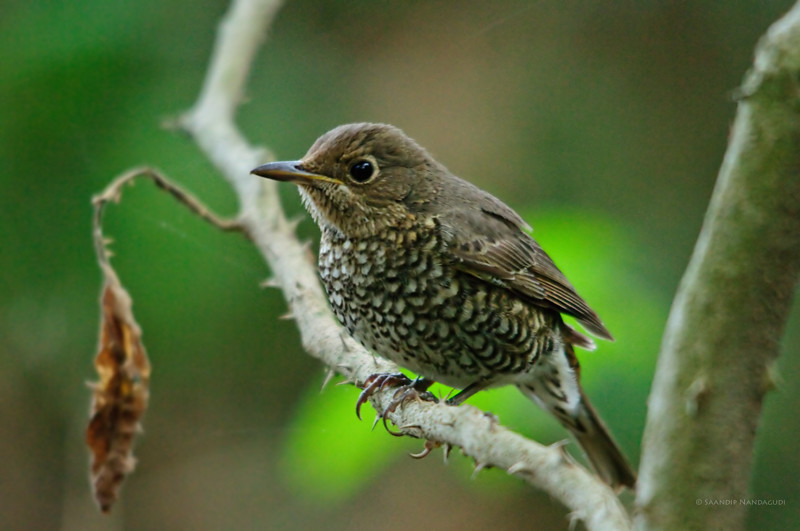
Blue Caped Rock Thrush.
πŸ™‚ sorry some part of the image is blown .
-
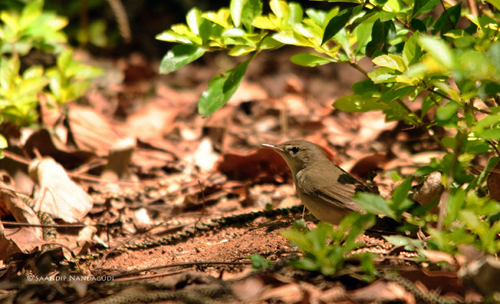
Blyth’s Reed Warbler.
-
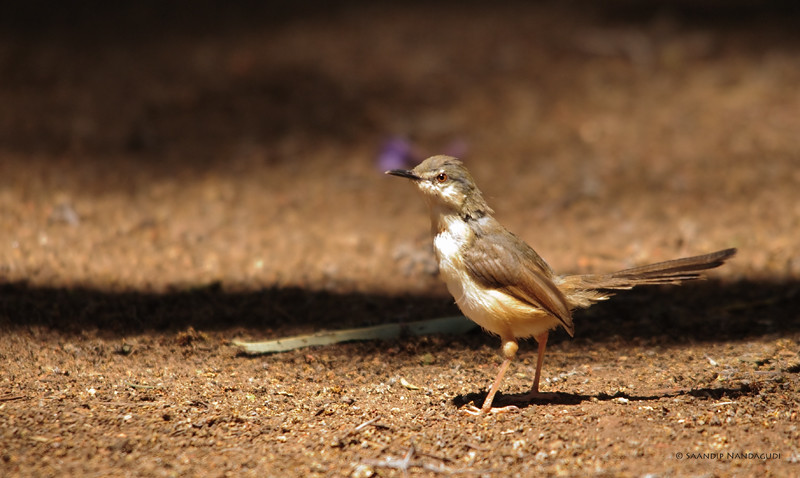
Plain Prinia.
-
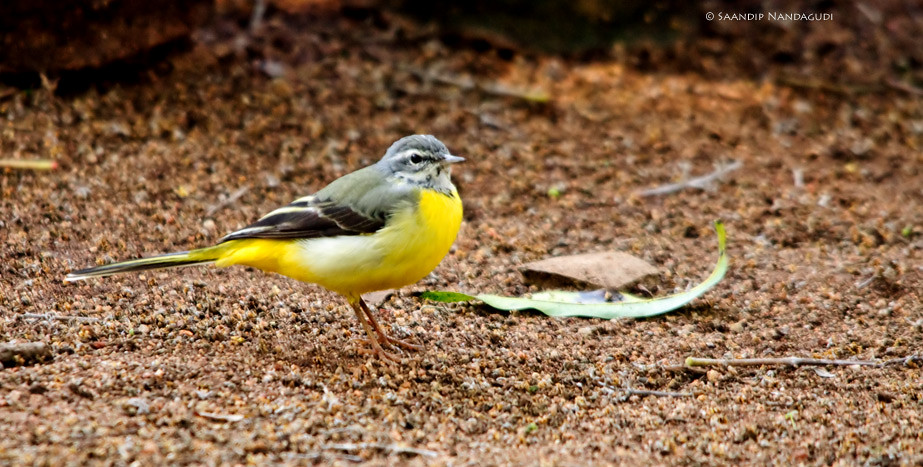
Grey Wagtail.
-
Blue Rock Thrush-Female.
-
Indian Blue Robin.
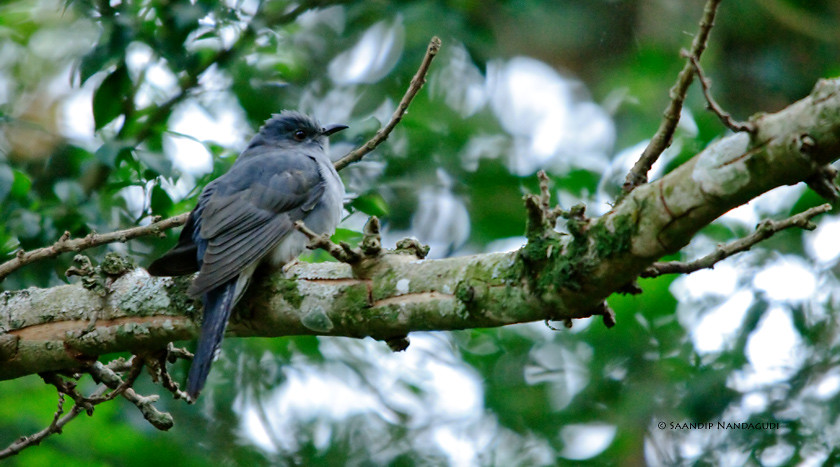
Lifer was the Grey Bellied Cuckoo
-
Grey Bellied Cuckoo.
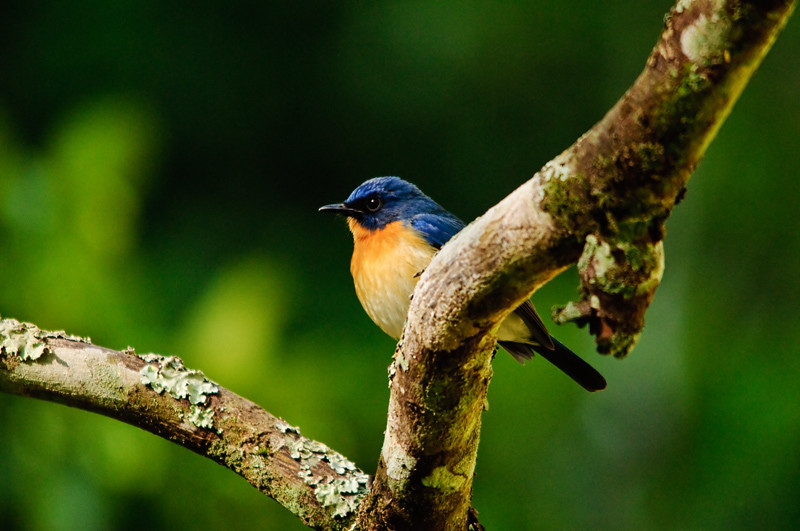
I am always fascinated by this colourful cute little Tickell’s Blue Flycatcher
-
Tickell’s Blue Flycatcher.
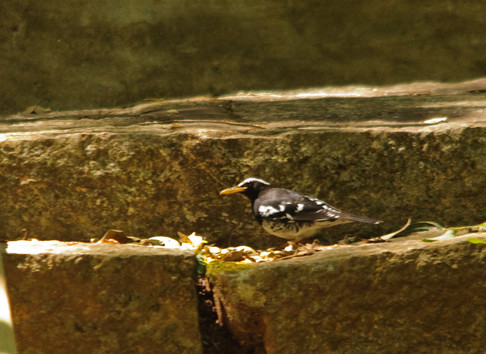
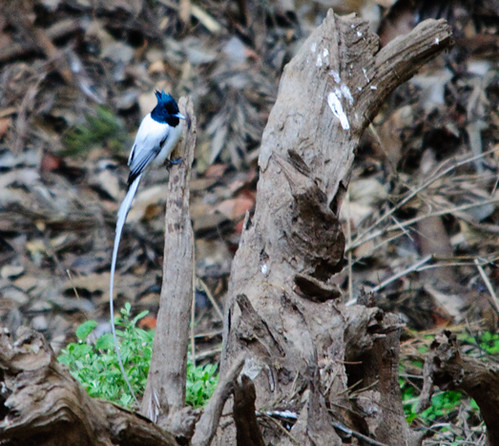
I could get only a record shot of Pied thrush & Asian paradise Flycatcher.
-
Pied Thrush.
--

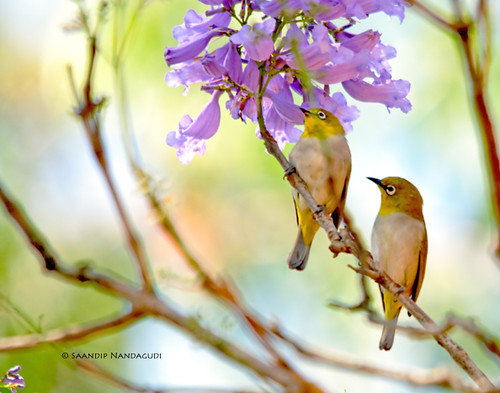
Oriental White Eye

At around 10:00am we headed to the hilltop for breakfast.

-

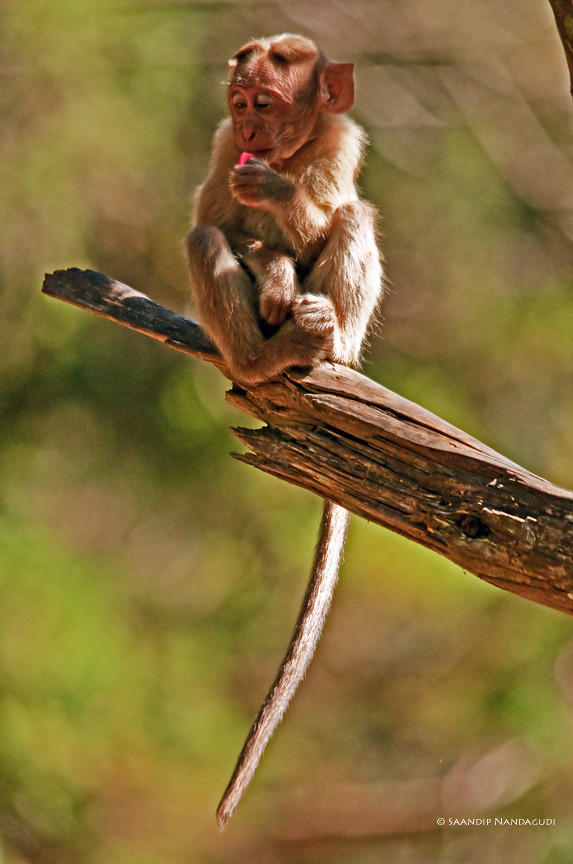
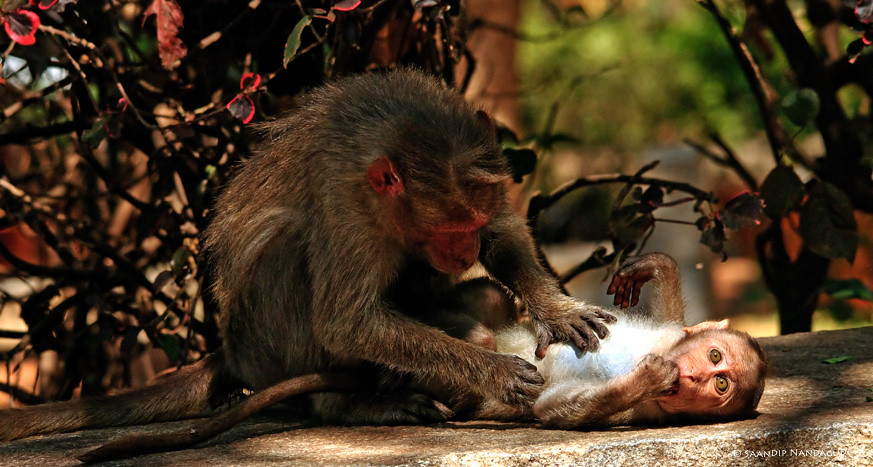
Bonnet Macaque
-

Seeing these lazy macaques remined us to head back home & relax πŸ™‚

Feb 102011
 

Took the early morning flight from Chiang Mai to Bangkok , bargained a cab to Kaeng Krachan National Park at the Bangkok airport, Its a 3hr drive from Bangkok to this place. We also briefed the cab driver to cover Laem Pak Bia on way to Kaeng Krachan , Laem pak Bia is a good place to photograph shore birds, especially the spoonbill sandpiper. Laem pak bia is a vast area near the sea shore of Petburi province with many salt pans, hence it attracts gulls, plovers & sandpipers. As our driver dint know the exact route to this place, it took extra hrs to reach & by then the entry to this place was closed πŸ™ , So it was more of bird watching & no photography.
SG

Laem Pak Bia.

We continued to Kaeng Krachan which was again a 1hr drive from Laem pak bia, Birding in Kaen Krachan National Park is a fullday event as you can start birding Β from the main gate till the top of the hill covering a total distance of 34Kms, soΒ aΒ full day birdwatching plan with packed breakfast & lunch is recommended.

Some of the photos shot in Kaeng Krachan & resort.
WBSB
Bar Winged Flycatcher Shrike

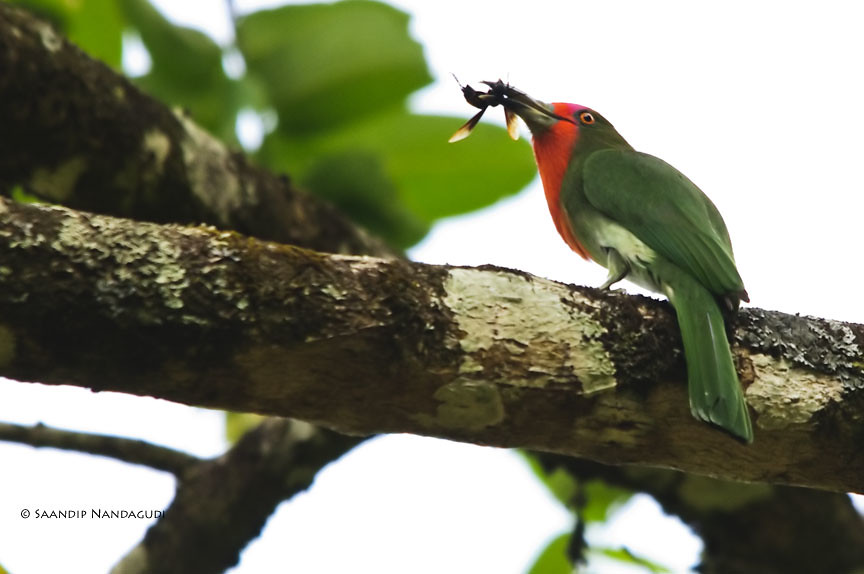
Red Bear Bee-eater With prey

Red Beard Bee-eater With prey

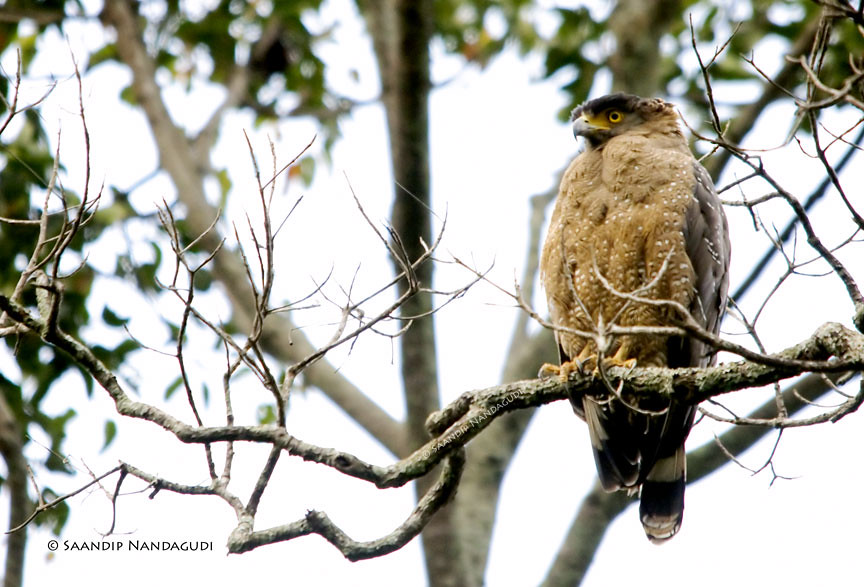
Crested Serpent-Eagle
Crested Serpent Eagle
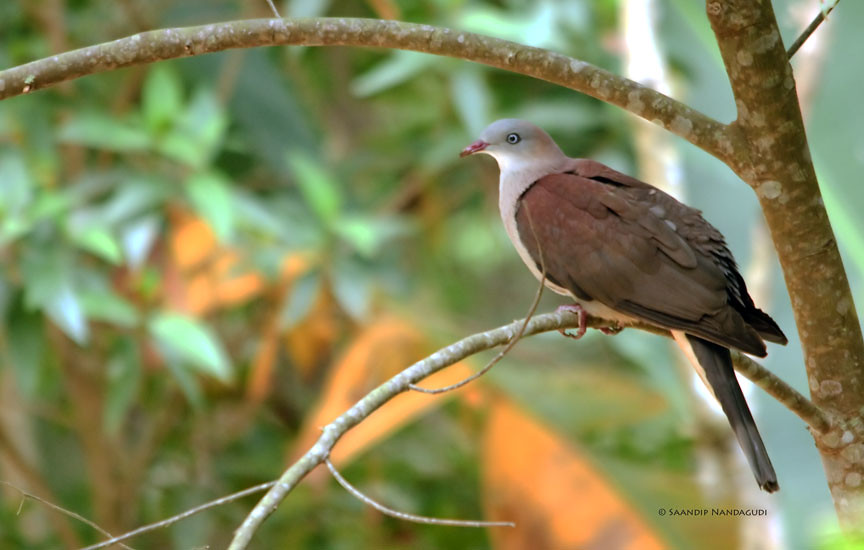
Mountain Imperial Pigeon
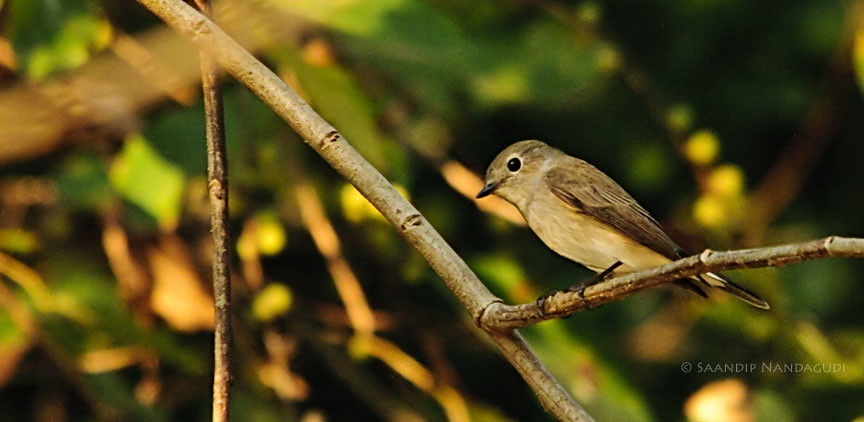
Asian Brown Flycatcher

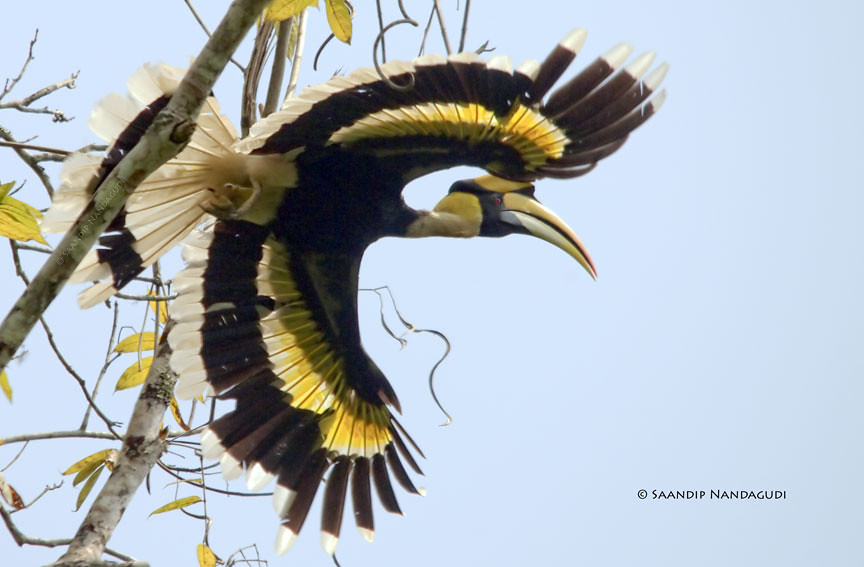
This Greater Horbill was found at the topmost point of the hill.
Greater Hornbill

Greater Hornbill
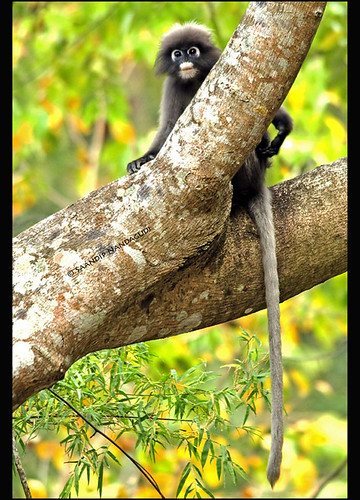
DLM
Dusky Leaf Monkey
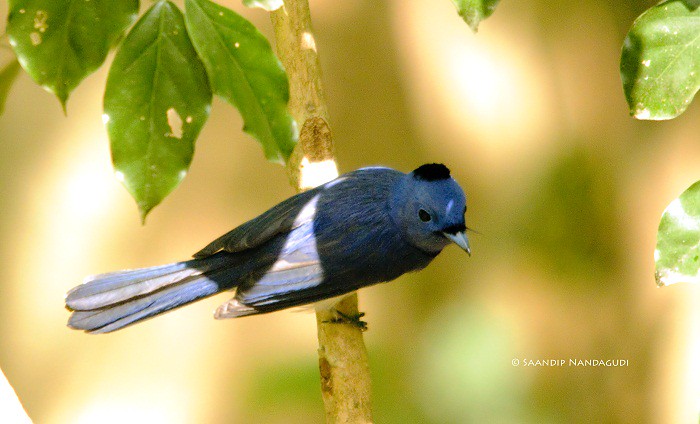
BNM
Black Naped Monarch
Hill top is an absolute sceneric place & here i met some fellow birders from other countries, exchanged thoughts & had lunch together.
WPP

View from summit (top) of Kaeng Krachan National park.

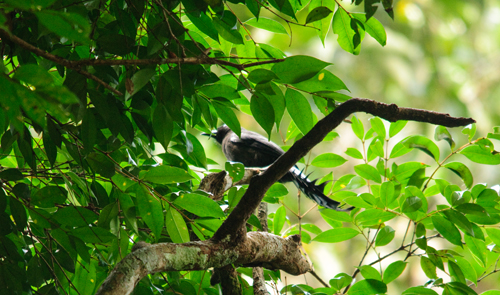
Around 3:00pm we finally started our journey back & saw this amazing bird of thailand ” Black Racket Tailed Treepie”, its a very shy bird & I got only a record shot of it.

RTTP
Racket Tailed treepie

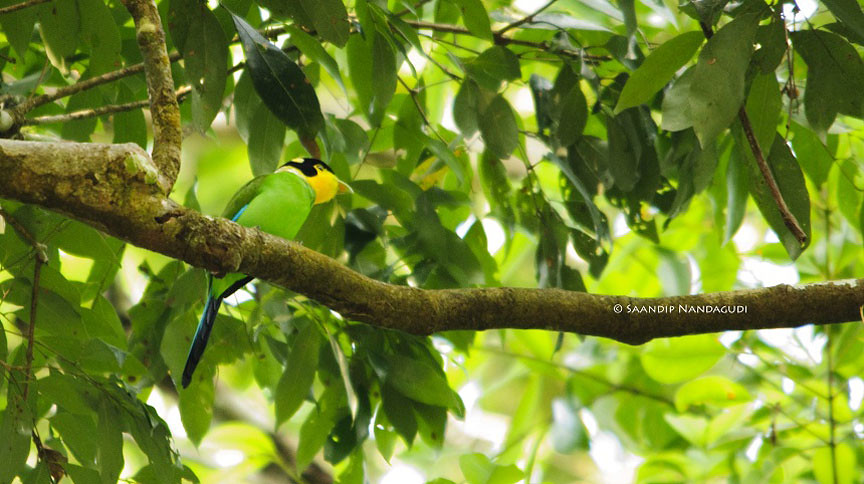
I was told that the Broadbills are seen here during May & June, but to my luck I could spot one , these birds have a different kind of calls which can attract anybody’s attention.
Longtailed-Broadbill
Longtailed Broadbill.
SBW
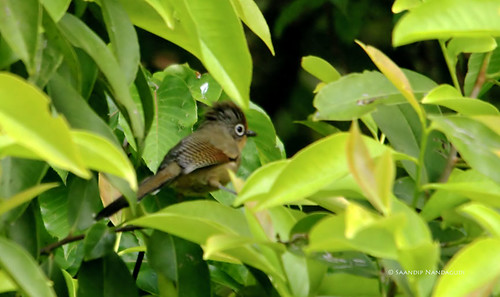
Spectacled Barwing.

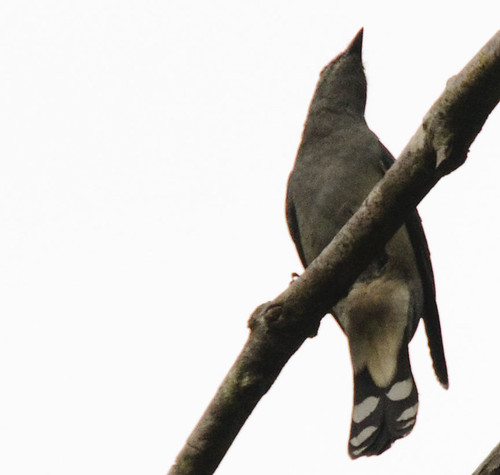
Black-winged-Cuckoo-shrike

Black Winged Cuckoo Shrike .
LRTD

Lesser Racket Tailed Drongo.
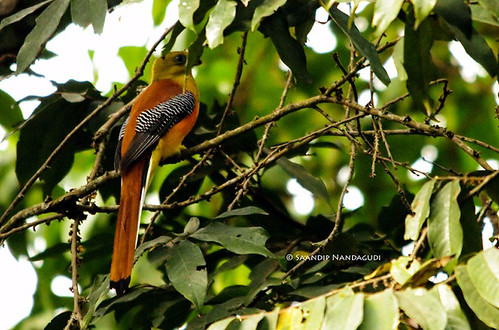
Orange-Brested-Trogan

Orange Breasted Trogan.

Reached our resort around 7:00pm, signed in early to bed.

Nextday morning was my memorable day in whole of Thailand trip as I got some best shots.

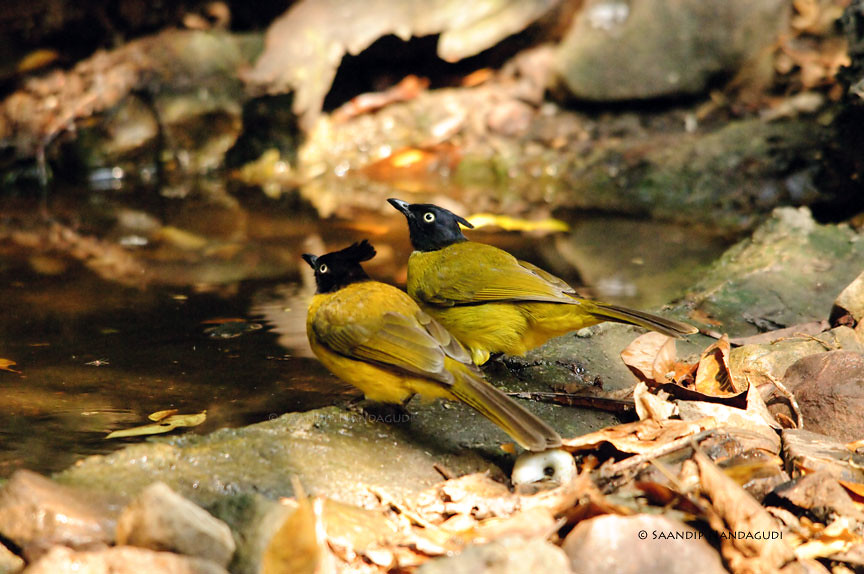
DUO-BCB

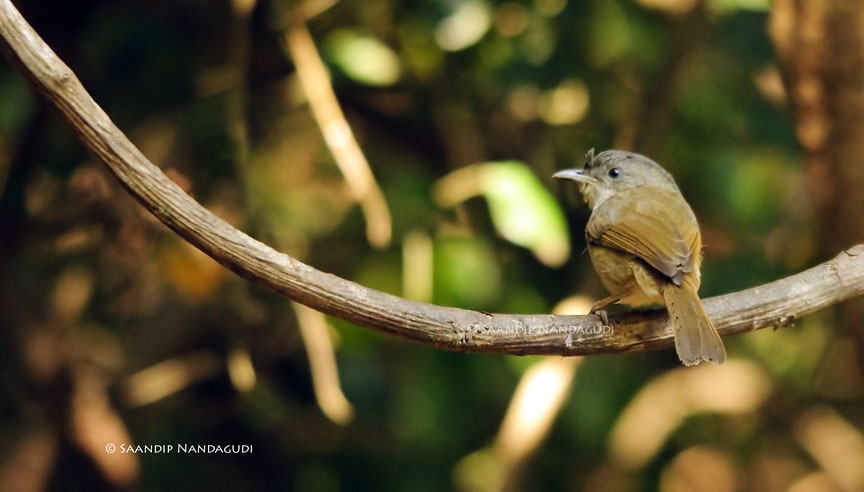
Black Creased Bulbul.
Ab2
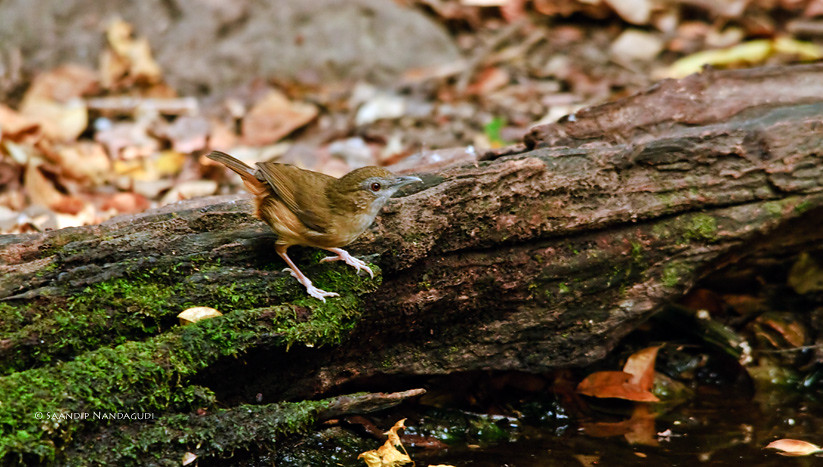
Abbott’s Babbler.

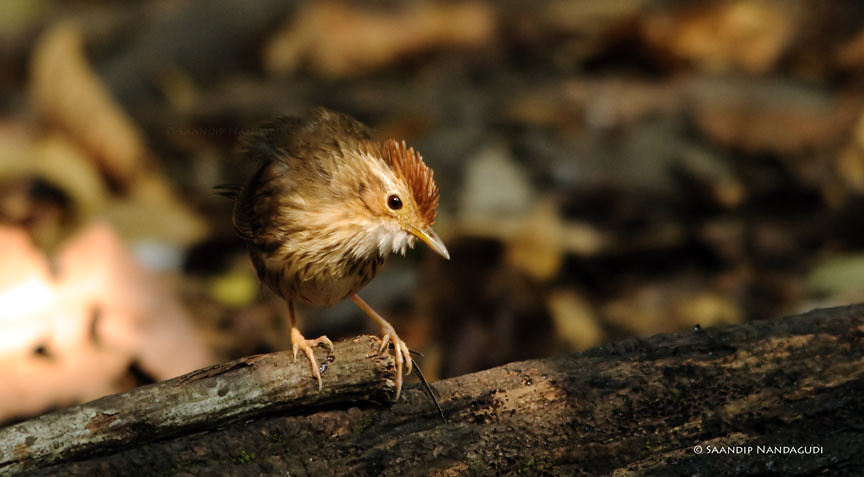
PTB Puff Throated Babbler.
LNLT
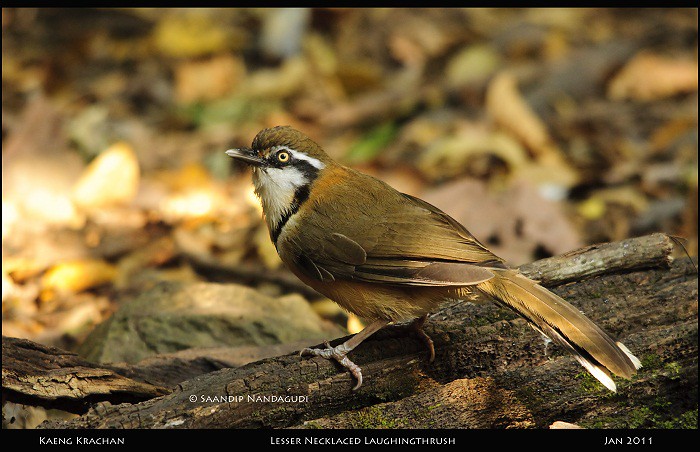
Lesser Necklaced Laughing Thrush
FUL2
Brown Cheeked Fulvetta.

WCLT
White Crested Laughing Thrush

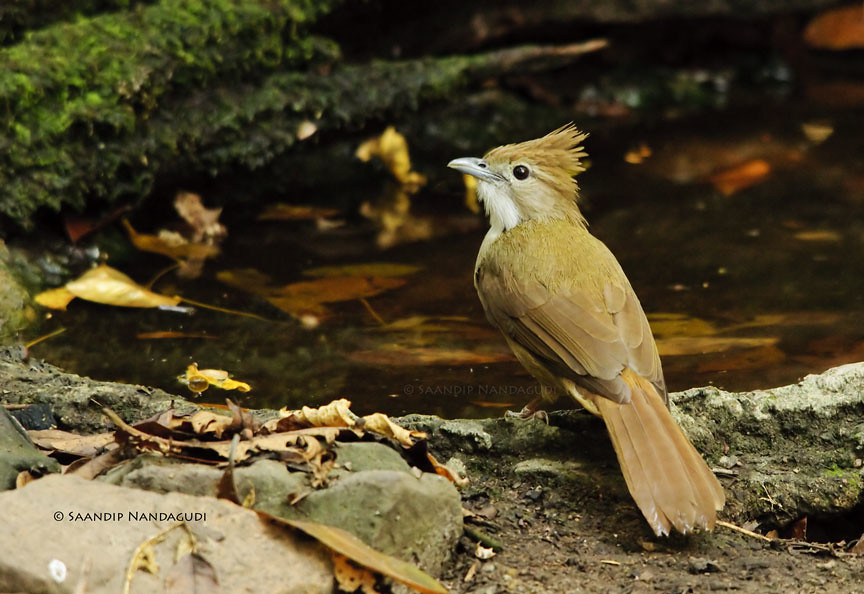
Ochraceous Bulbul-2

Ochraceous Bulbul

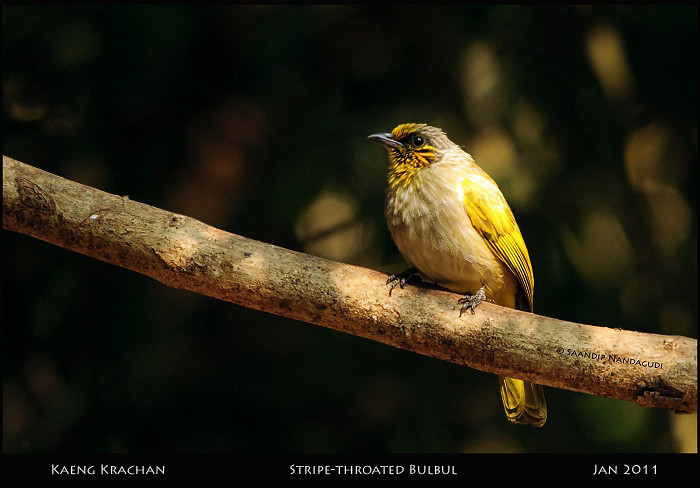
SBB4 copy

Stripe-Throated Bulbul.

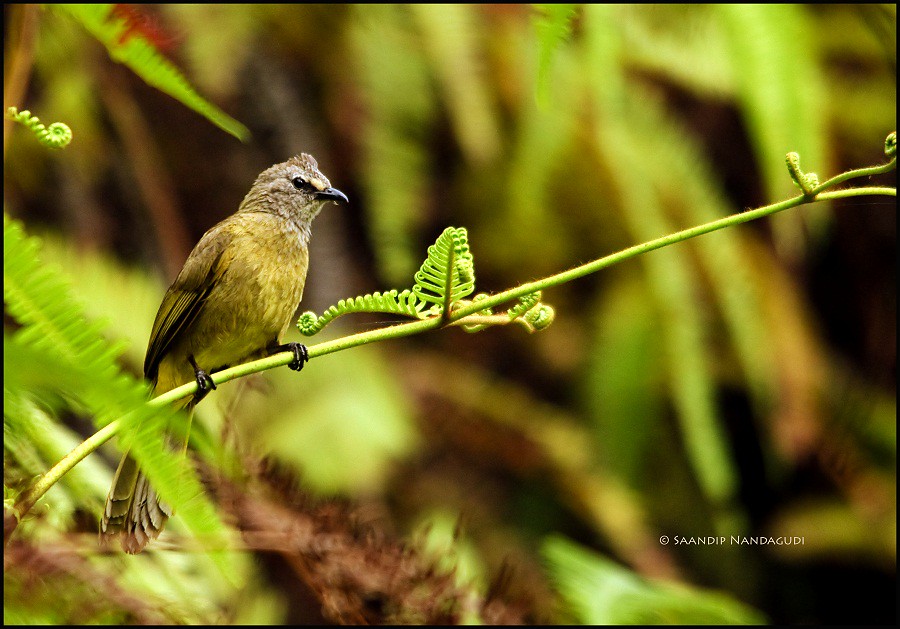
BB (3)

Flavescent Bulbul

BB (4)

Streak-eared Bulbul

BHBB4

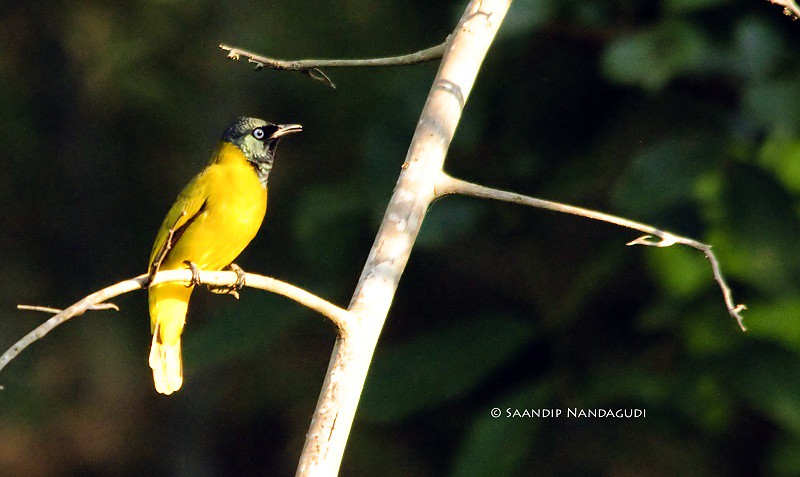
Black Headed Bulbul.

FC

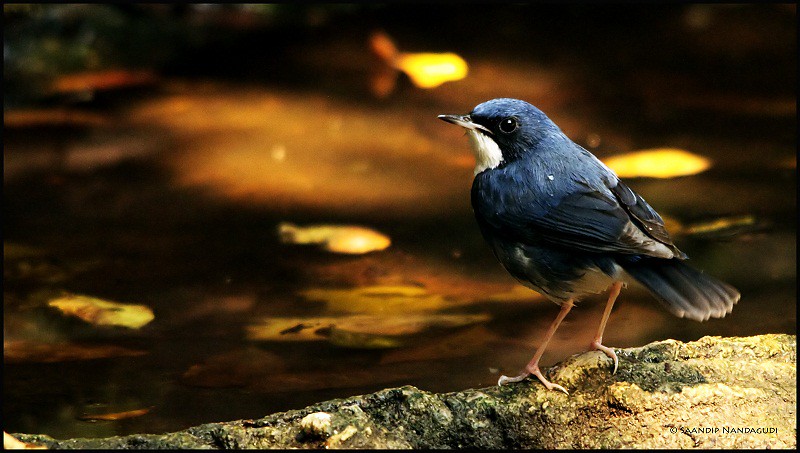
Siberian Blue Robin.

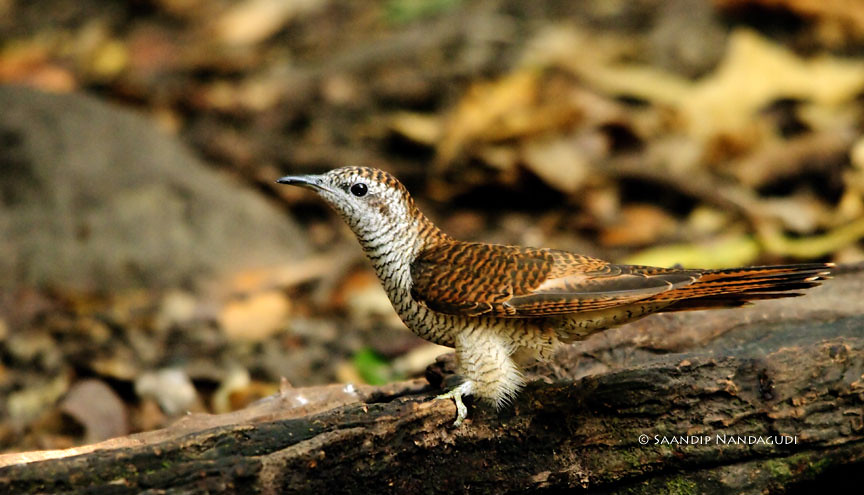
Banded Bay Cuckoo

Banded Bay Cuckoo – The bonus of the day was πŸ™‚ .

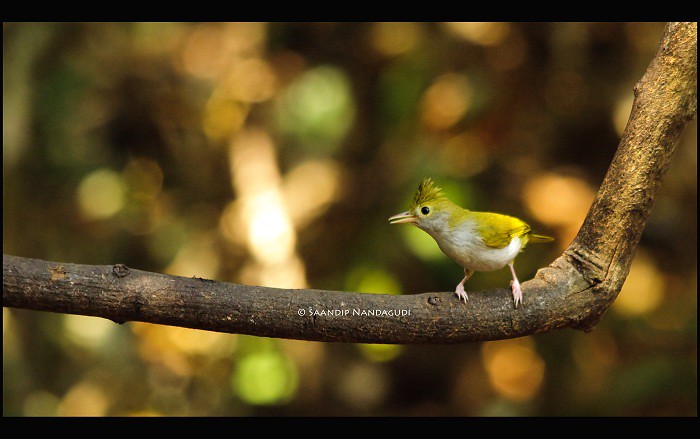
White-bellied Yuhina

White Bellied Yuhina.

PR

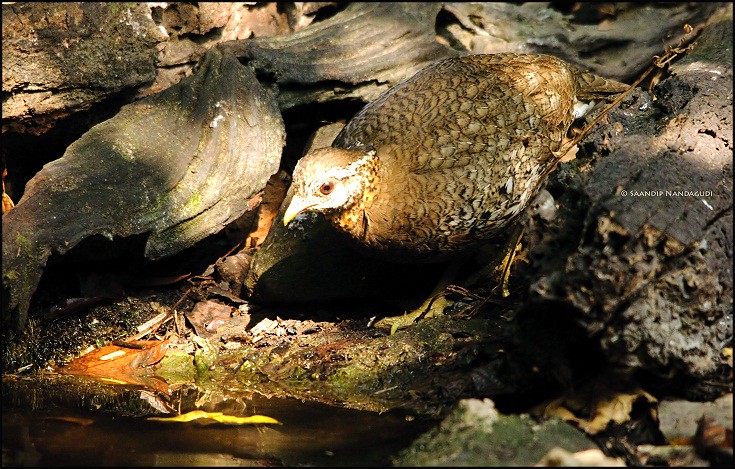
Scaly Breasted Partridge.

Finally bid adieu to Suvarnabhumi & came back my Holy Karmabhumi πŸ™‚ .

Have got many other bird photos which i will upload on my Birds page under Gallery from time to time,

Feb 042011
 

Thailand is a best place for photography, be it temples, landscapes , people or nature.
It was a last minute sketch to do bird photography in thailand. One of my friend Mr.Lean Yen Loong from Oriental Bird Club hinted some pro & cons for bird photography in exotic kingdom of thailand. Prior to travel I had exchanged emails with experts in birdwatching who are pioneers for many years in their geographic regions. I was accompanied by my friend Srihari who is also a travel agent.
My first stop was northern thailand & then on to western thailand & central offcourse.
Pure vegetarians will have problem with food in this country, I managed to pack few “ready to eat” from MTR Bangalore. But Bangkok had a vegetarian restaurant called “Aryas

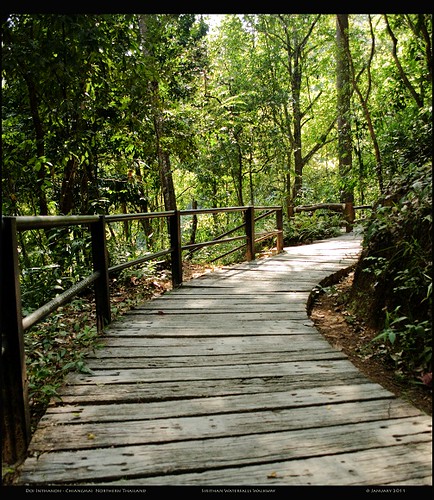
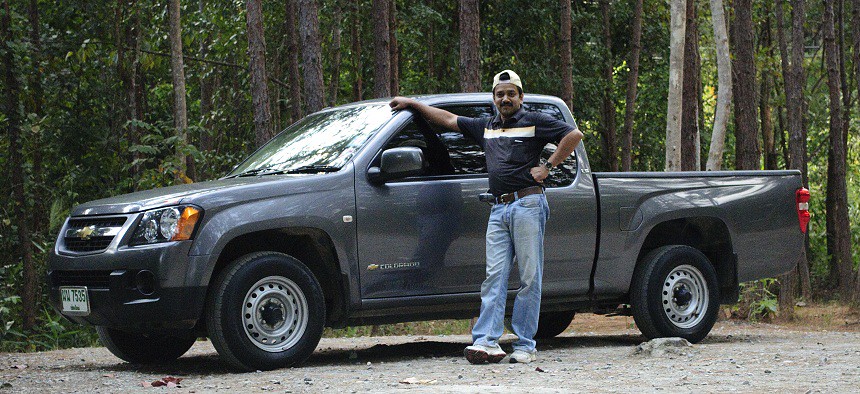
Touchdown was Suvarnabhumi airport at Bangkok & took a connecting flight to Chiangmai. At Chiangmai airport our Selfdrive 4WD Toyota pickup truck was waiting & immediately without wasting time we drove to Doi Inthanon which is around 85Kms.
First check point at Doi Inthanon National Park , Entrance fees is 400 baht / head.

DICP2

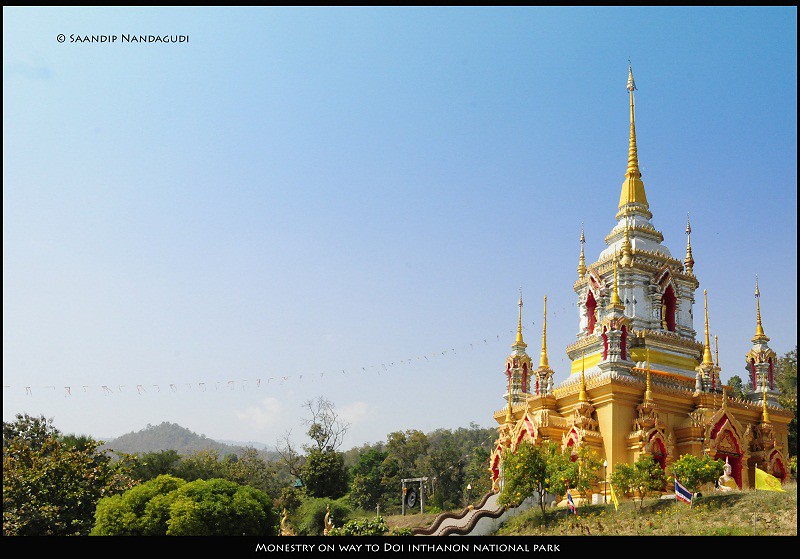
Saw this tepmle on way to Doi inthanon

MDOI2

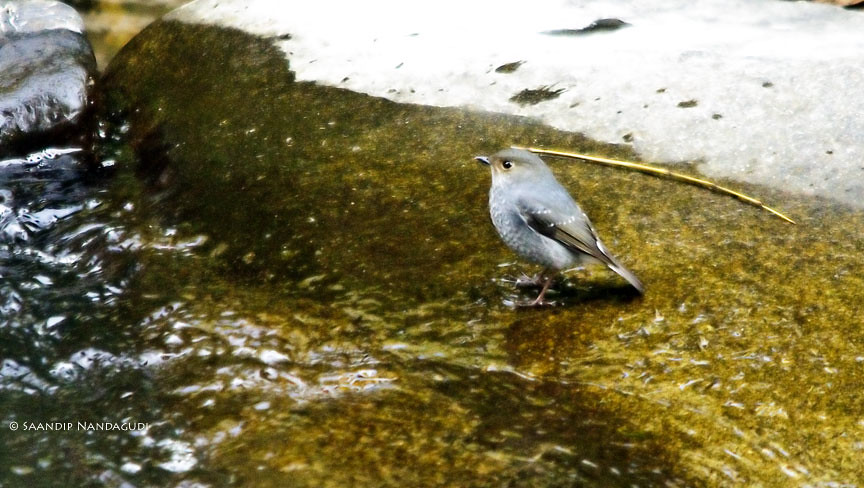
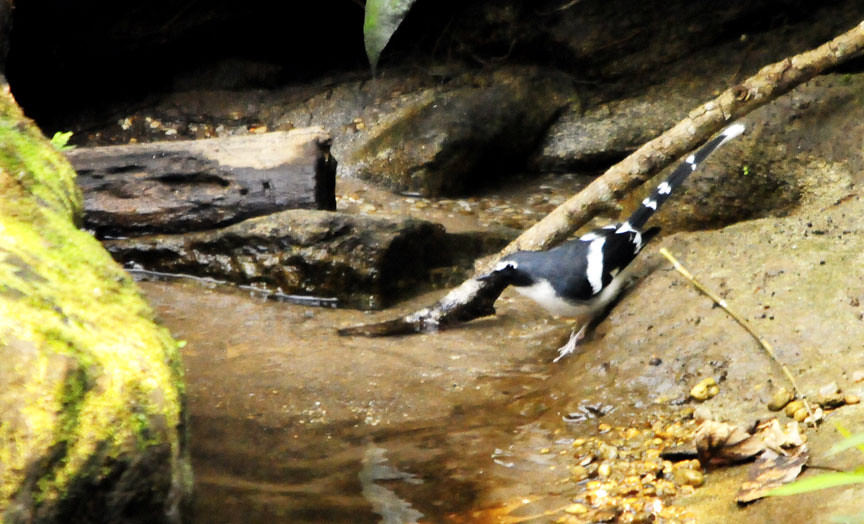
Next stop was the Wachirathan waterfalls, found Plumbeous Redstart & Slaty backed forktail here.
WF2

Plumbeous Redstart -Female

Slaty-backed Forktail

Saw one more signboard of a waterfall , but no birds there.

SWW2

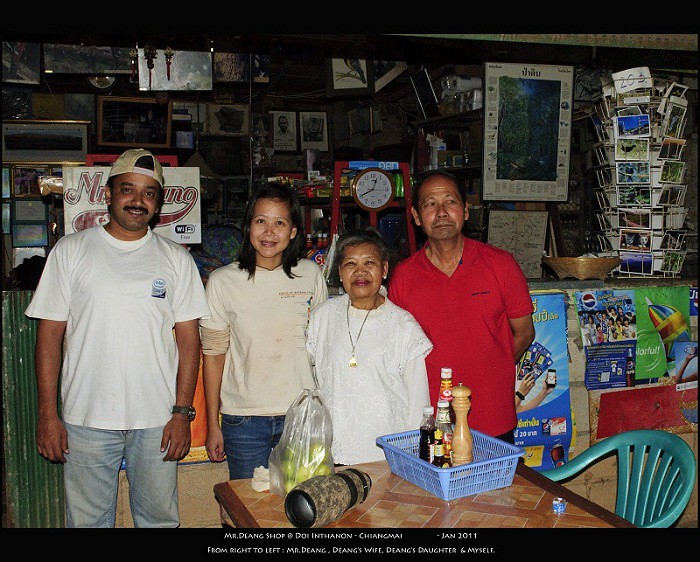
Next stop was at Mr.Deang Shop for breakfast, Mr.Deang is a veteran & a master in birdwatching around this place. Local birdwatcher visit this place & report latest sightings in the log book which is kept at this place & is maintianed for years. This shop has some rooms for those who want to stay overnight & do birding next day. Shop is full of bird photographs taken by best photographers who visited this region & has collection of books on birds , field guides & even a map sketched by himself for birdwatching around his place.

deangandme

We then headed to the summit(Top) of Doi Inthanon & did some bird watching & photographing ,Doi Inthanon is a fabulous sceneric place to photograph landscapes .

SDI2

FCM2

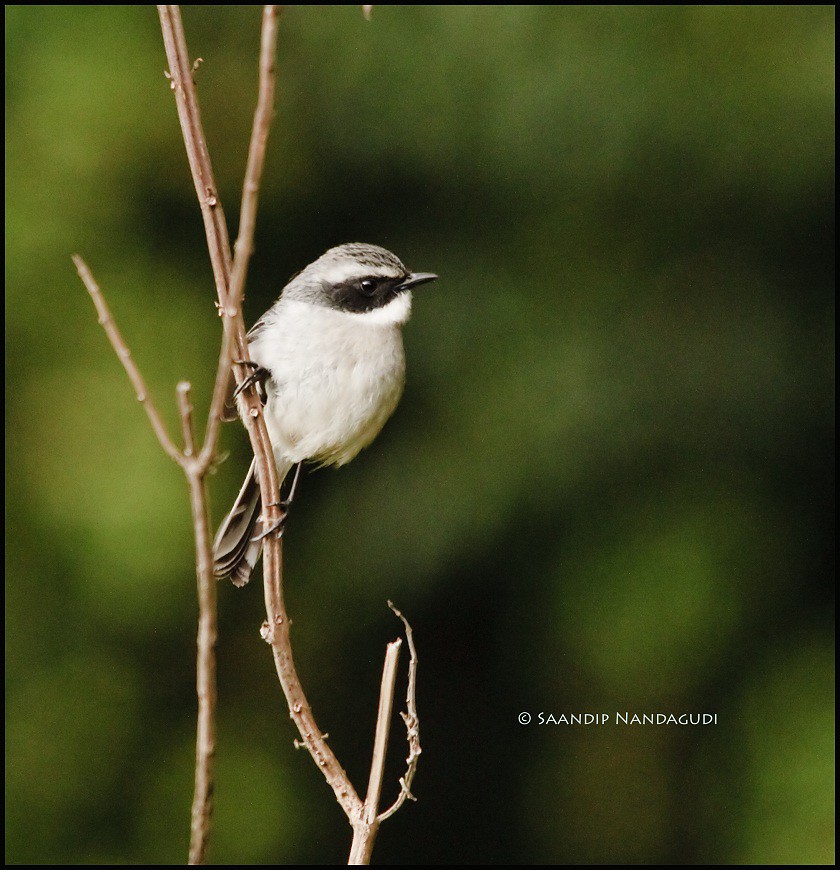
Grey Bushchat – Male

FC2 (2)

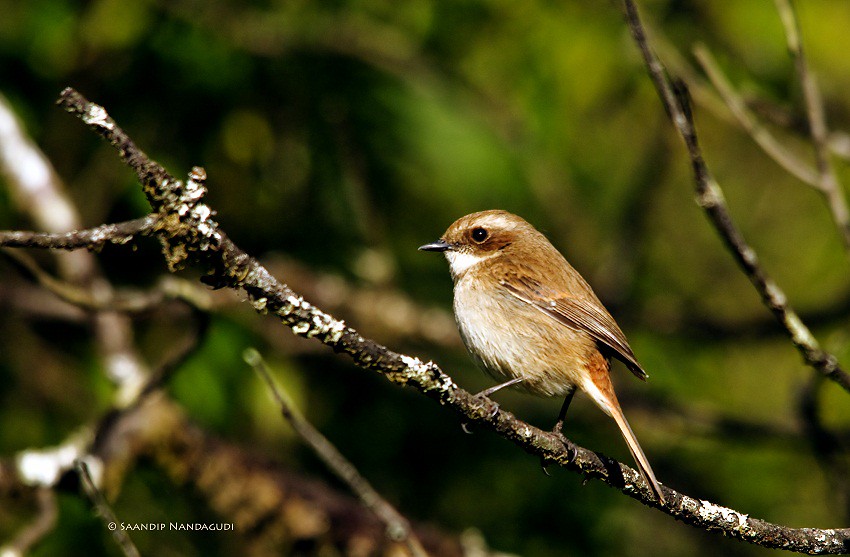
Gey Buschat – Female

Gould's Sunbird

Mrs. Gould’s Sunbird

AW2

Yellow Vented Warbler

Found some record shots of flycatchers at Mr.Deang place, sorry for poor quality πŸ™‚

Hill Blue Flycatcher-Male

Hill Blue Flycatcher- Male

Hill Blue Flycatcher-Female

Hill Blue Flycatcher- Female

VFC2

Verditer Flycatcher.

Later that evening we proceeded to Doi Angkhang

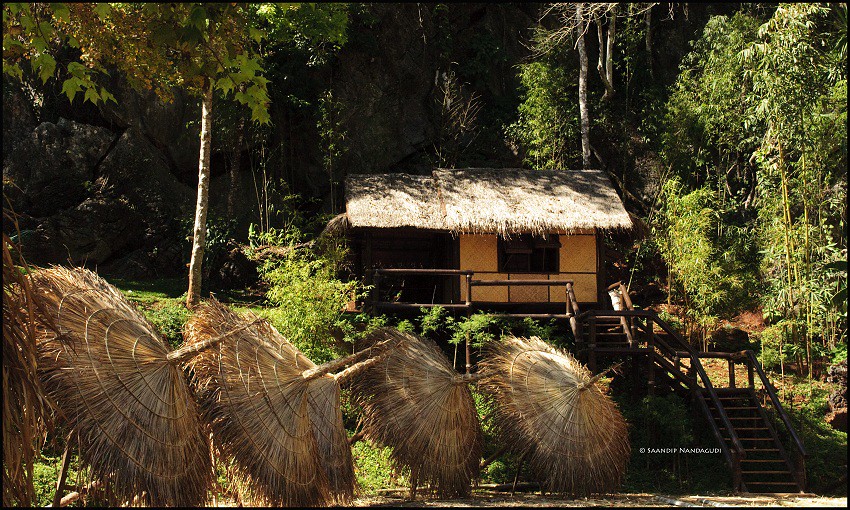
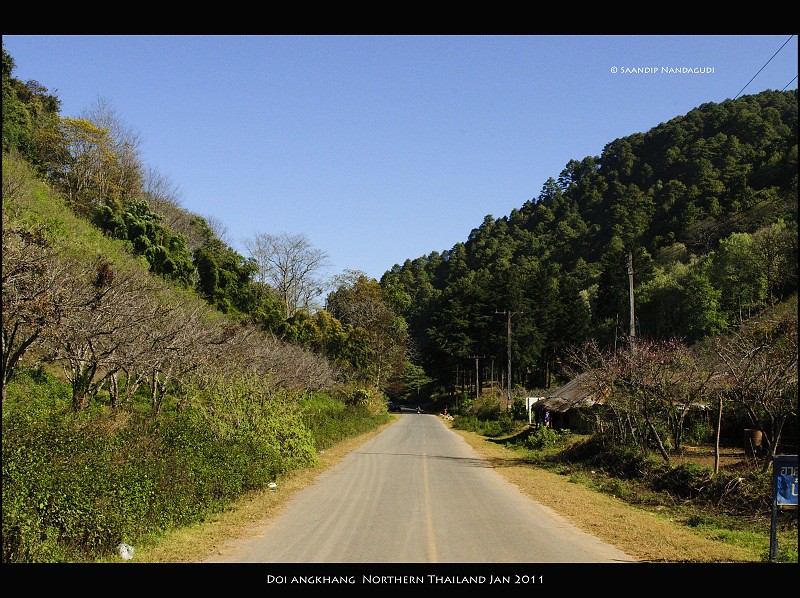
Doi Angkhang was a flop show as I had high hopes of bird count there, many photographers had good count of birds shown in their blogs , but for me it was more of a scenic place & less of bird photography , I managed to get some bird photos but not to my expectations. πŸ™‚

DA

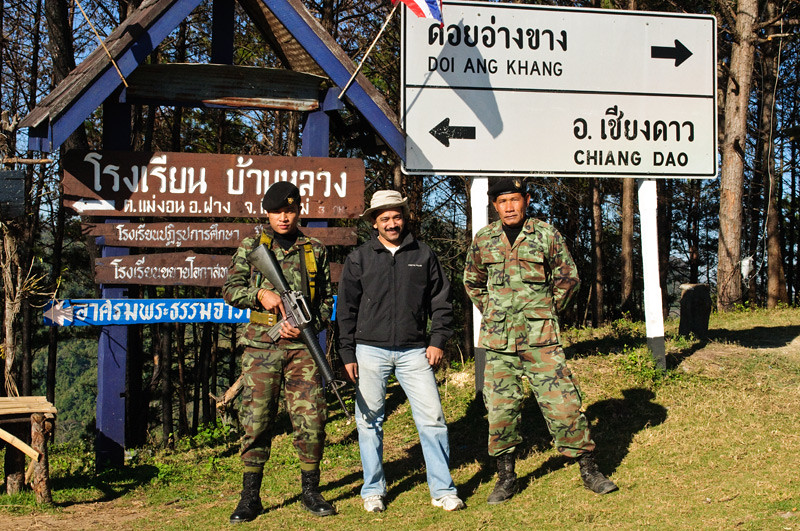
I started birdwatching in the early morning & its very difficult to photograph as the tempertuare was around 9 to 10 degrees with fogging & poor visibility, Sun usually can be seen here at around 8:00AM, at around 8:30AM I head to the nearby military campsite & started birding around. The army personnel are very friendly, they hinted some places to go around for birdwatching.

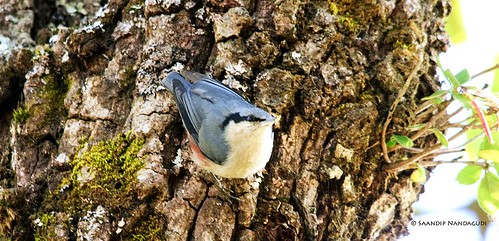
Saw this cute little nuthatch near the army checkpoint.

Chestnut-vented Nuthatch

Chestnut-vented Nuthatch

YWB

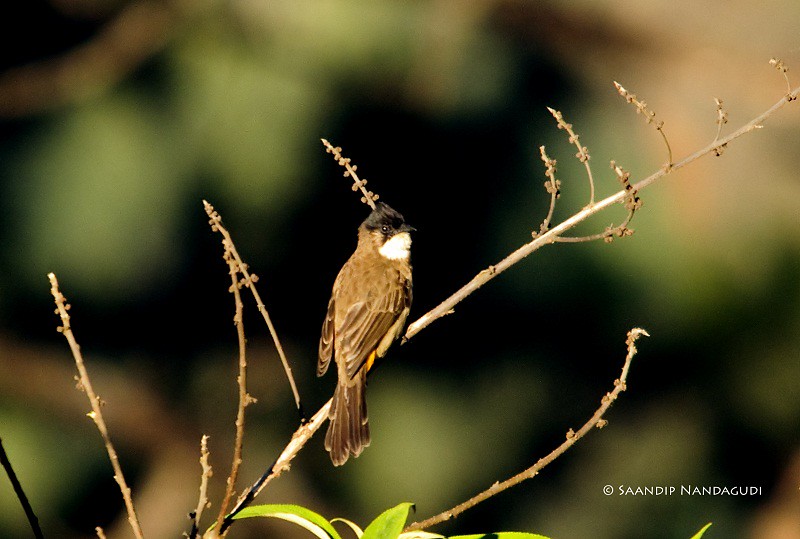
Yellow Vented Bulbul

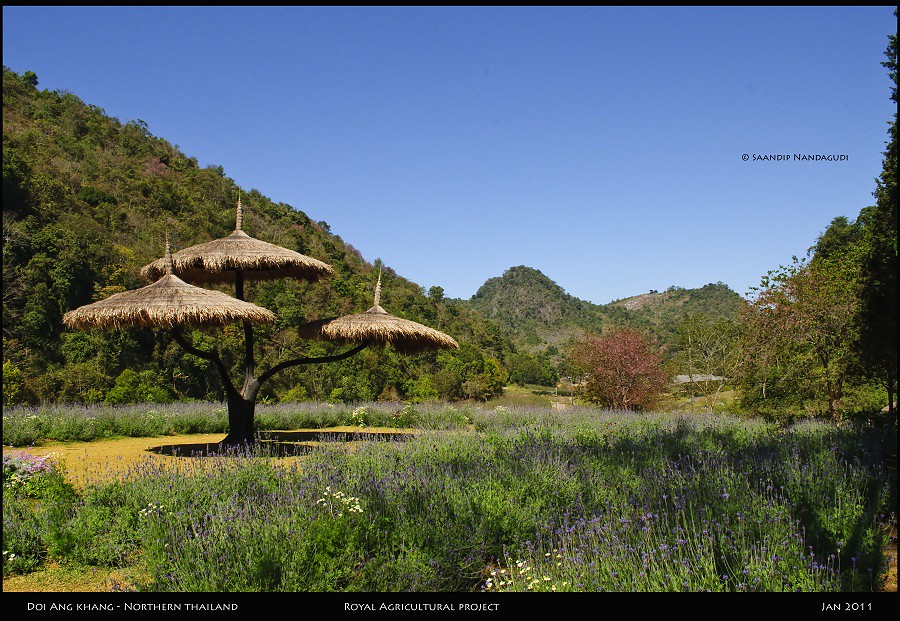
It was no point to waste more time here, so came back to hotel packed the luggage & changed the lens to wide angle , took some landscape photos of Royal project & headed to our next stop at 100kms called Thaton.
RAP

FHouseDAKSAN-ToyotaColorado

Jun 012010
 
R A N T H A M B H O R E
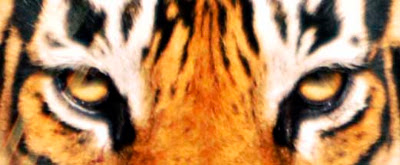
N A T I O N A L P A R K

The Ranthambhore National Park, which is a part of the Ranthambhore Tiger Reserve, lies in the Sawai Madhopur district of eastern Rajasthan. The Chambal river forms a natural boundary of the park towards the east and also as a boundary to adjoining state Madhya Pradesh. Banas river to the northeast which is a tributary of Chambal river. Across the river Banas, lies the Keladevi sanctuary famous for Birds & Hyenas , the Sawai Man Singh sanctuary lies to the south of the Park. Both these sanctuaries, along with the Ranthambhore National Park, are part of the Ranthambhore Tiger Reserve. Today this Project Tiger Reserve spans over 1334 sq. km of area, of which 282 sq. km is the Ranthambhore National Park.

_DSC3479
It is home to over 40 species of mammals which includes the Flagship mega fauna Tiger & other carnivorous animals like Leopards,Carcal, Hyena, Jungle cats , Jackals, 350 species of birds , over 40 species of reptiles including the monitor lizard & marsh crocodile and over 300 species of plants with a terrain of mostly rugged hills , plateau & valleys with mostly of sandstones.
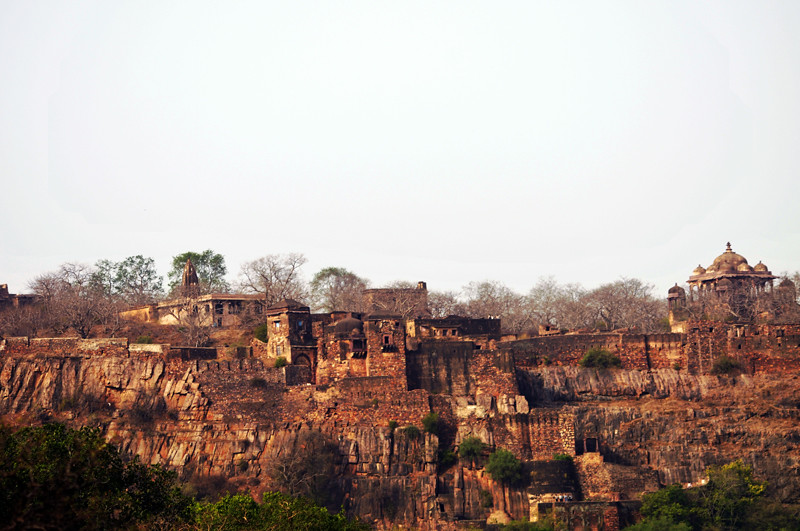
_DSC3362


Summers start during end of March and last through June. During this season the days are very hot and dry. During May and June, day temperature can cross 48 degrees centigrade and the minimum night temperature still hangs around 36 degrees centigrade. The monsoon or the rainy season lasts from July to September. The winter season lasts from November to February. The night temperature stays below 10 degrees centigrade during winter & sometimes can drop to 2 degrees also, while the day temperature stays at 20 degrees.I had visited this place in the end of May , so all the pictures were taken during the very hottest season of the year.

The purpose of coming to Ranthambhore at this scorching 48 degrees with a four time cold bath had a cause & that was to attend the Naturalist Leadership Course 2010 conducted by a NGO called Tiger Watch at Sawai madhopur.

_DSC3194

The RNP has 5 tourist zones & tourist are allotted to enter these zone at the ticket counter prior to entry, I had been to Zone 2,3, & 5 during my entire stay.

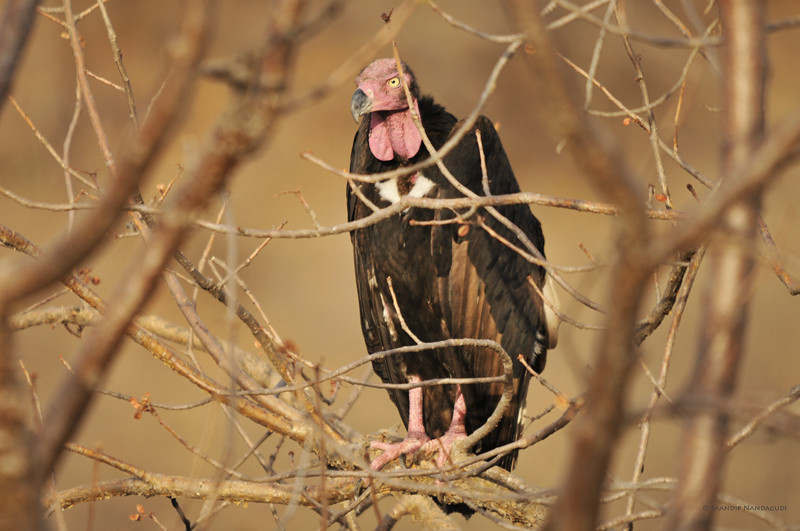
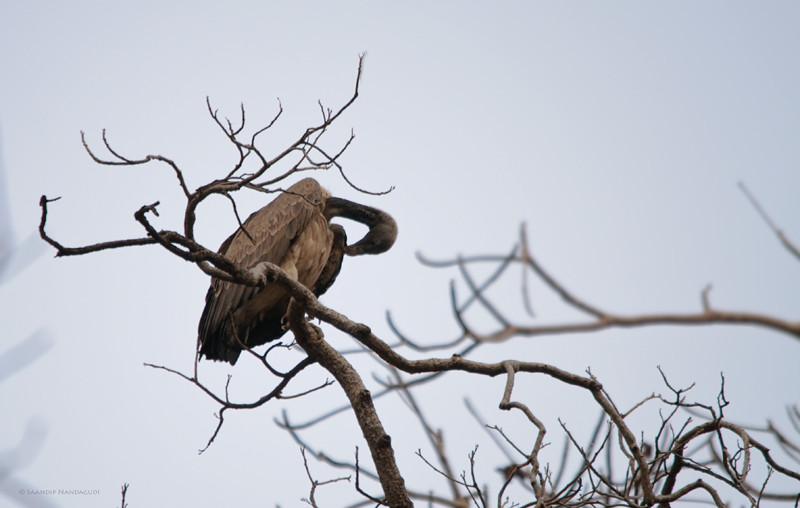
We were greeted by this long billed vulture which is a resident bird in this park. I was told about this by my INW friend Mr.Arijit Bannerji (Arijit dada) who is an IFS Senior Environment Officer(Kolkata).
_DSC2463

Indian Long Billed Vulture
He had also mentioned to lookout for Indian King Vulture which is now critically endangered in IUCN list.
IKV
Indian King Vulture

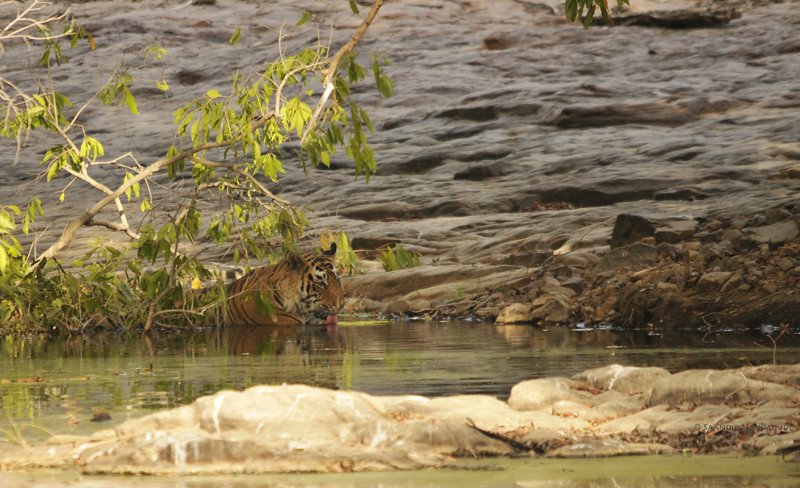
It was a bright sunny day & we were in the Zone 3 , excited to see striped yellow beast & to our luck we did not spot a mammal for nearly an hour & as we were passing on a rough terrain I spotted a small yellow patch with 3/4th of itself submerged in a pool of water under a big tree shade, initially it was very difficult to spot as it was very far from us.

_DSC1506

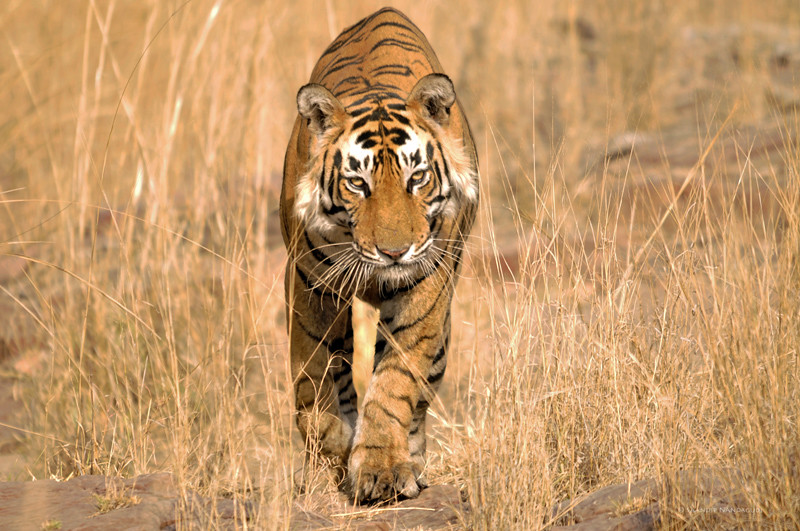
It was perfectly camouflaged to the long dry forest grass, he then got up from the pool & walked towards us. At first it looked calm & then a bit curious walking straight towards us.

_DSC1619

My Nikon D300s with Sigma 500mm rocked & perhaps I have taken almost 200 shots at 8fps of this beast & could make a movie if I could join them. It came so close around 12 feet that I saw only its pupil through my lens, i just stopped shooting & saw this charismatic powerful creature walked by 10feet from us with grace.

_DSC1770


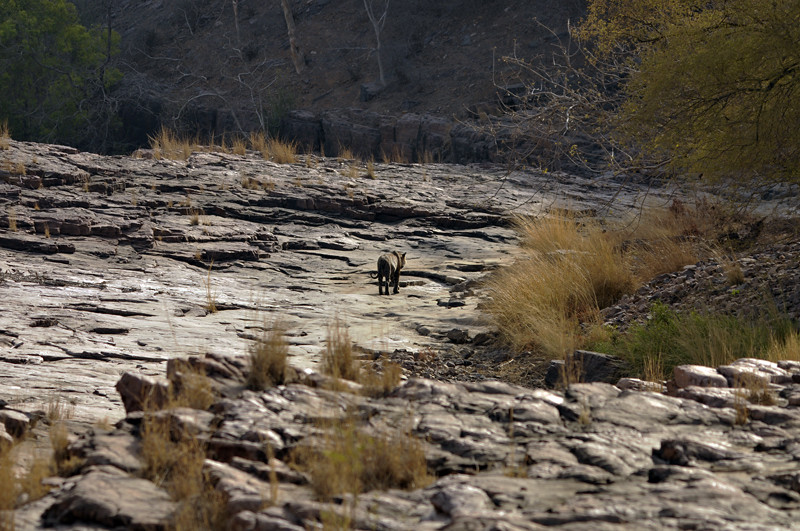
It was exciting !!!! .. it went further climbing a rocky hill & gave a lovely pose saying “I RULE THIS PLACE” .

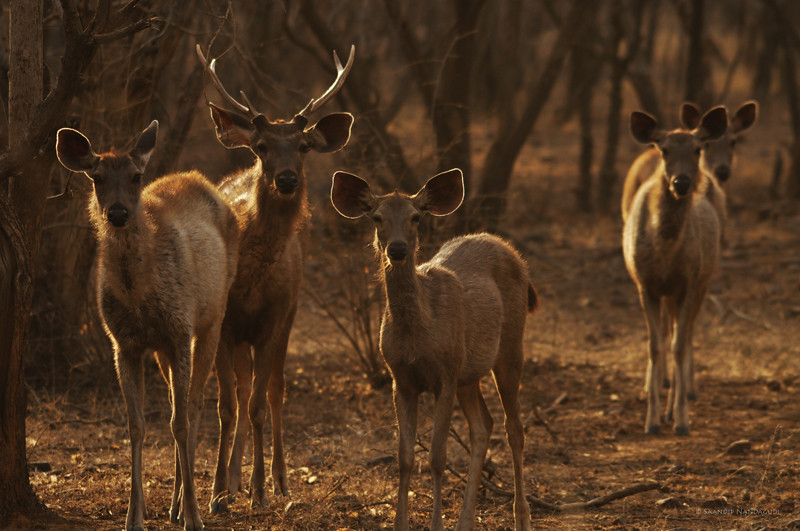
RNP has variety of mammals , reptiles & birds & I have posted a few photos them.
_DSC1422


Sambar Deer
_DSC1806
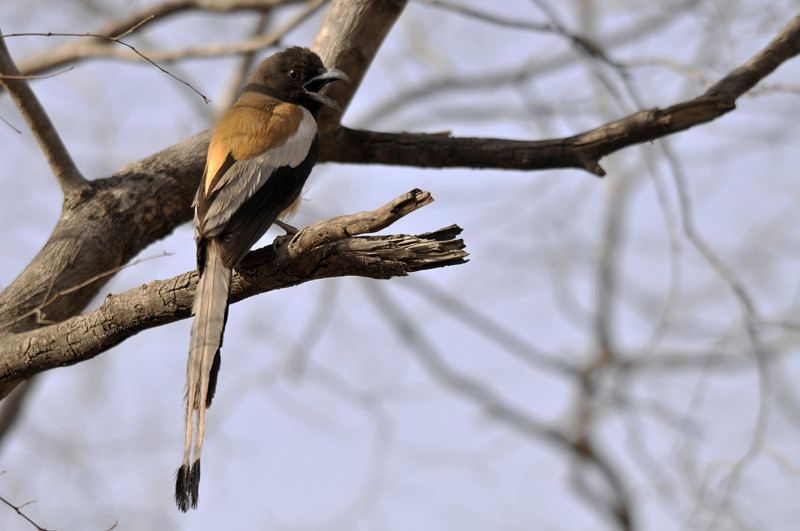
Rufous Treepie
_DSC1926
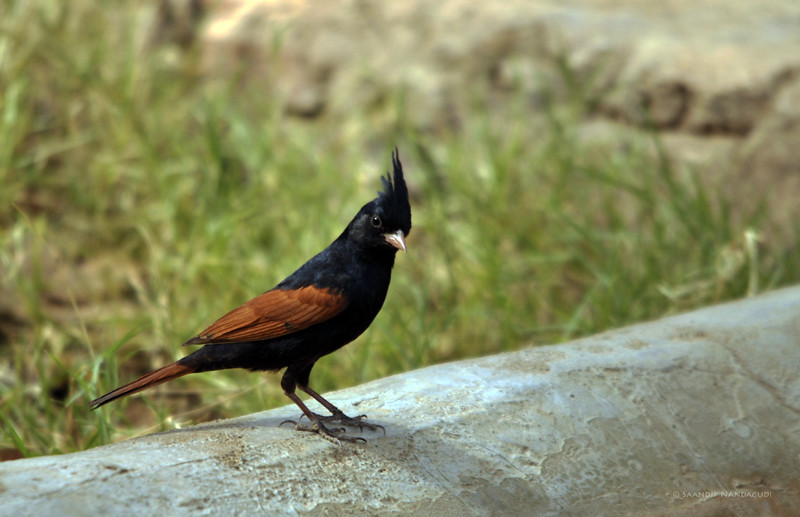
Crested Bunting
_DSC3153


Jungle Bush Quail

RNP is also very good birding spot especially the track 2 & 3. I spotted more than 80 species of birds, but unfortunately you cant get down from the vehicle, so for photographing birds on would need a minimum telephoto lens of 300mm and above for better shots..

Some of the birds mammals & reptiles i shot in RNP.

Painted Stork & Marsh crocodile gossipping


Black Winged Stilt
_DSC3217


Blue Tailed Bee Eater

Stay: Nearest town is sawai madhopur.
How to reach RNP (Ranthambhore National Park): Nearest railway station is Sawai Madhopur railway station -11Kms.

Nearest Airport: Sanganer Airport Jaipur which is 180Kms.

Many resorts & lodges are abundantly available here with budget range starting from Rs.1500/head which includes breakfast,lunch ,dinner & stay for a night up to Rs.20,000/head . This depends on seasons too. I stayed at Hammir resorts which was fairly reasonable.


Indian Peafowl (Peacock)

The famous Indian National Bird
_DSC1791

“How will be the Future of these very little spared wonderful creature”
For more photos on Ranthambhore check here