Saandip Nandagudi

Sep 202013
 

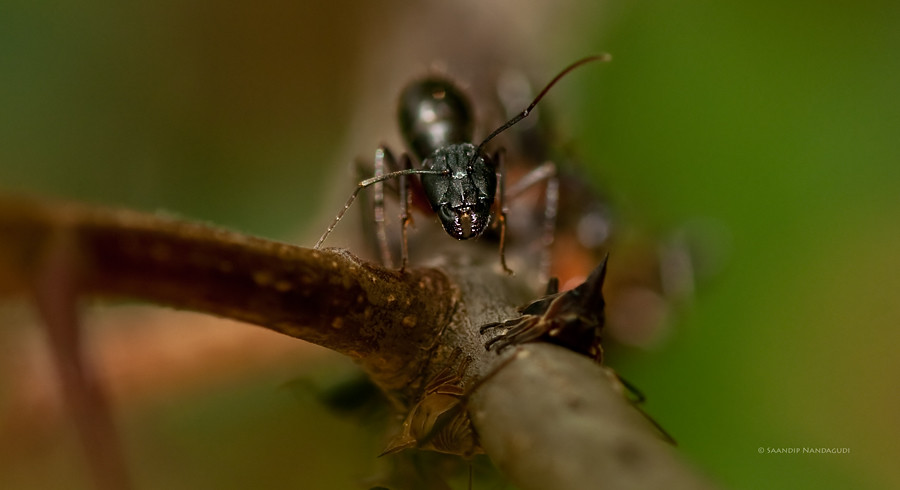
Golden Ant ( Polyrhachis illaudata) is an arboreal ant that live in the canopies of sub-tropical rain forests in Western Ghats, India. They construct nests by binding leaves with the silk produced from their own larvae. However this species does not belong to genuine weaver ants like Oecophyll.
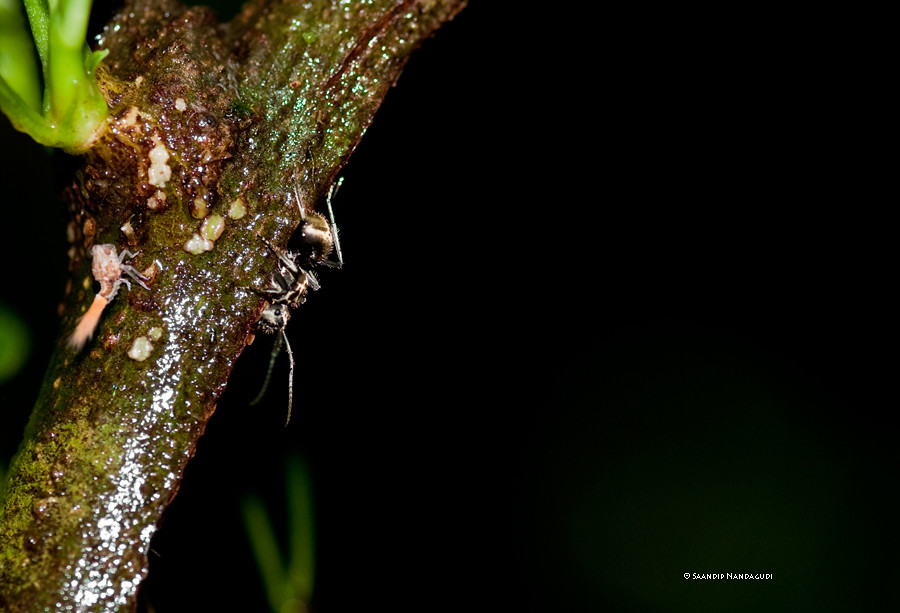
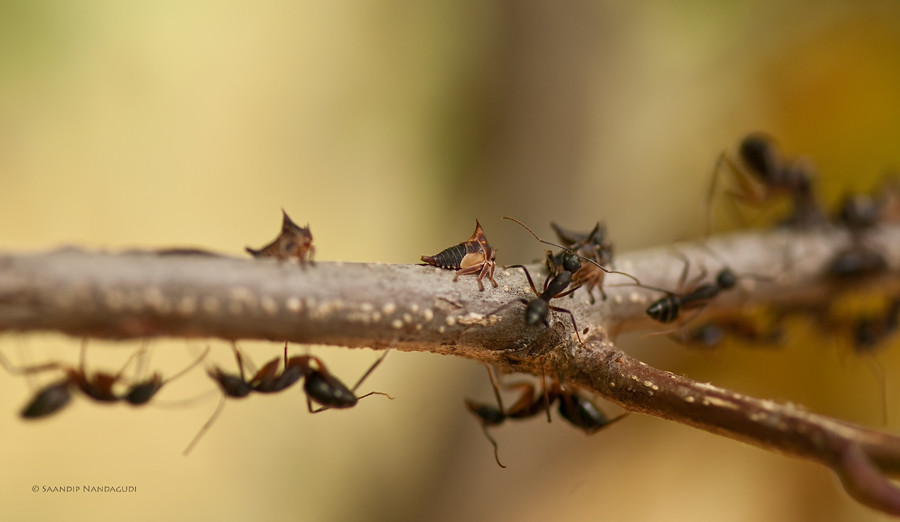
Golden Ant -Polyrhachis illaudata with Fulgoromorpha Nymph

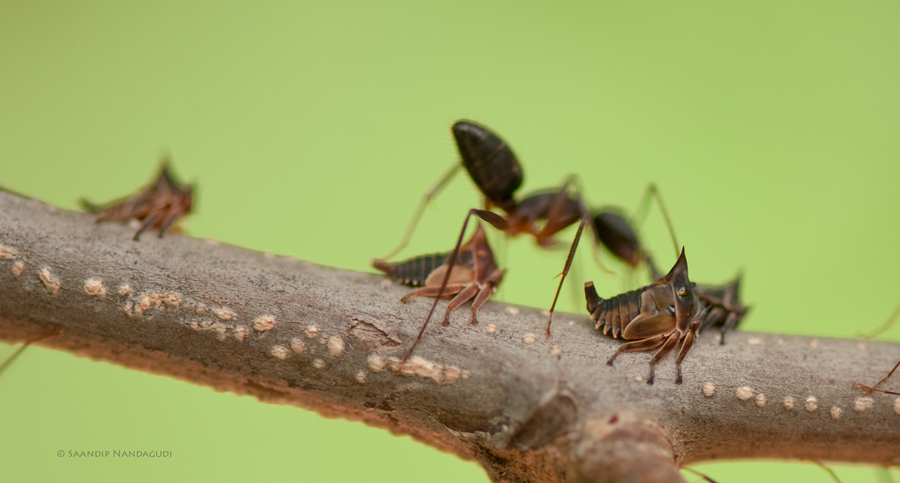
Fulgoromorpha Nymph on left &  Golden Ant on right (Polyrhachis illaudata)

The shining golden colour on the body is owing to the numerous tightly packed golden coloured tiny hairs all over the body parts including the legs.

I came across another sp with similar looks , at first I misjudged it as Golden ant & then I was corrected by Shyamal that it was Camponotus sericeus commonly called as Golden Backed ant .
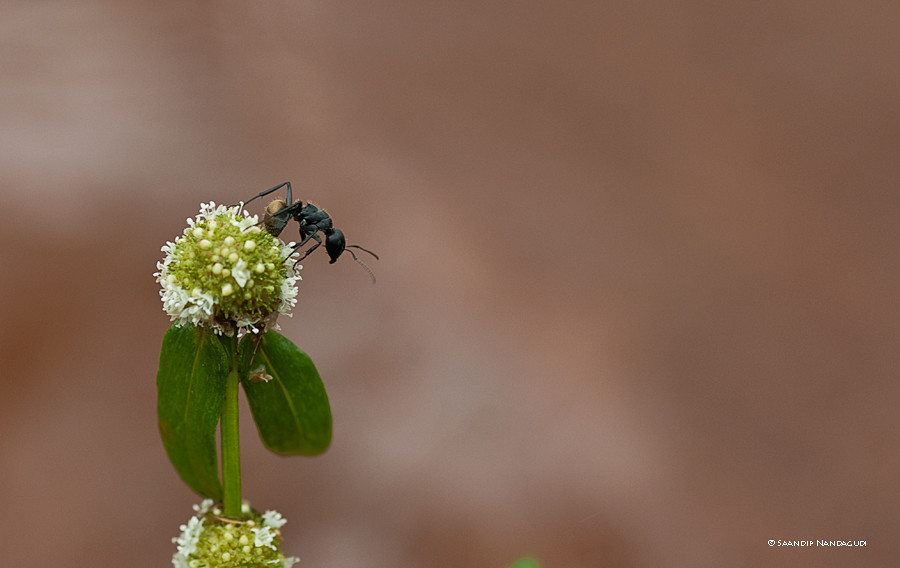
Camponotus sericeus

Golden Backed Ant (Camponotus sericeus)

If observed carefully one can find the difference, The golden shiny colour is limited to abdomen & rest part of  the body is black in colour.

Camponotus sericeusColony of Golden Backed Ants (Camponotus sericeus)

This Camponotus is relatively peaceful & widely spread in tropical areas of Asia. Their soil nests can be large and populous.
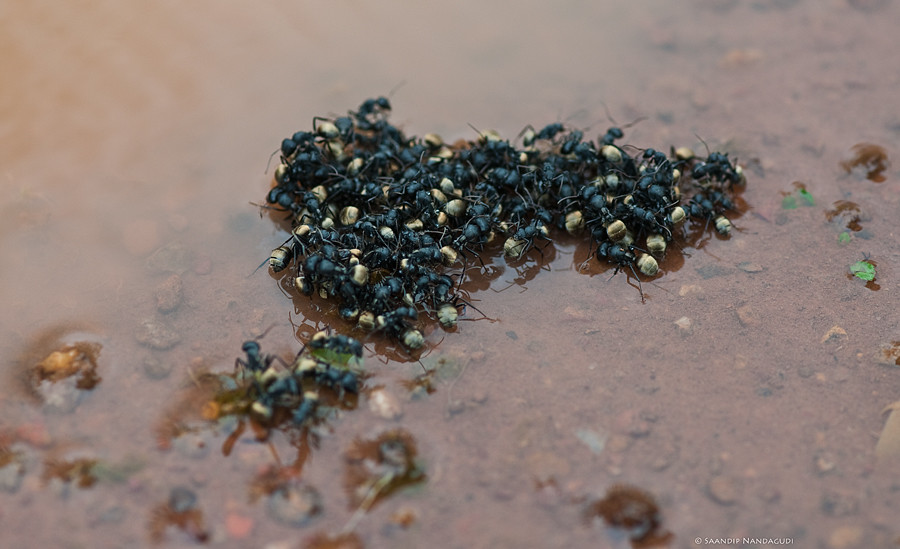
Camponotus sericeus

On mountains they build chimney like nests to prevent water from rushing in. On flat lands the nest openings are on level with ground & in evergreen forest they nest in soil under leaf litter.

“A Group of Ants is called Army or Colony 😉  ”

My earlier blog on spider mimicking Golden backed ant here
Aug 062013
 

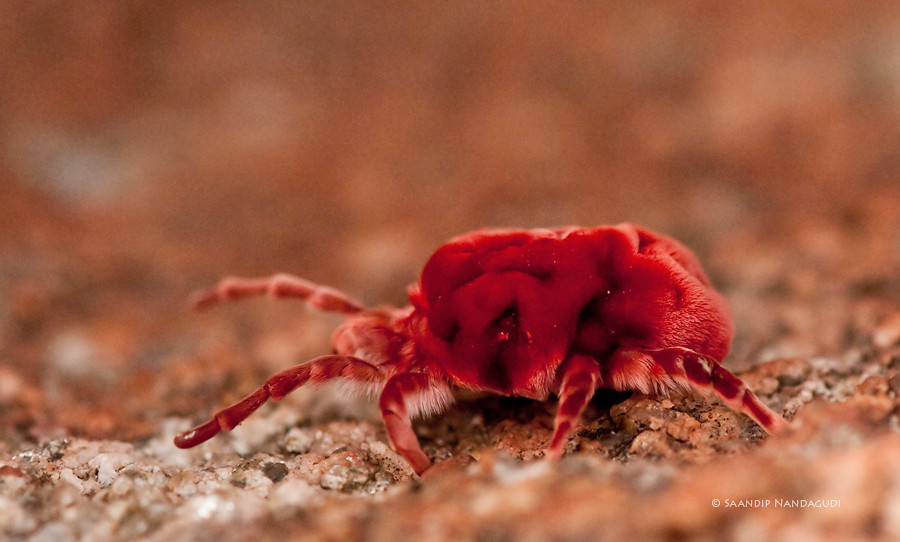
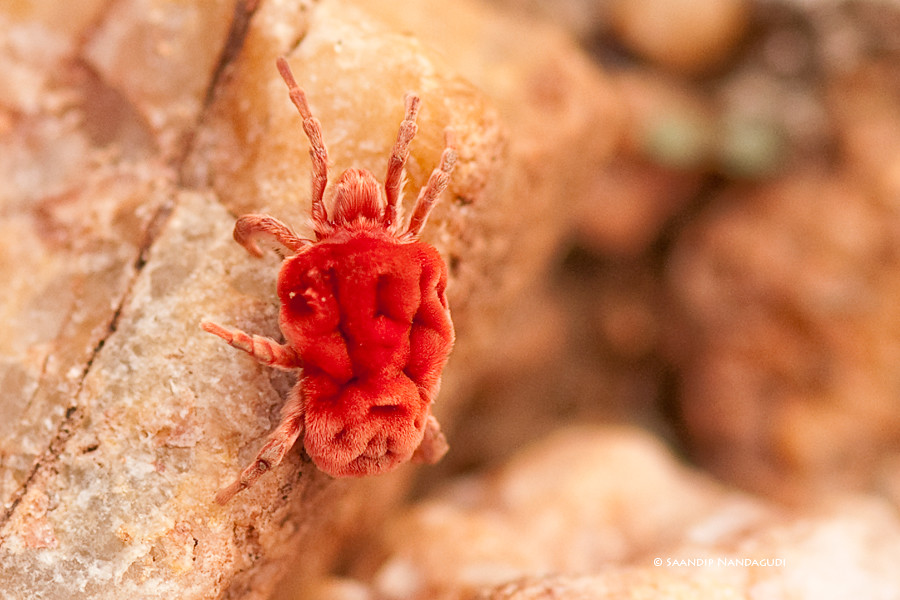
Red velvet mite is an arachnid that belongs to the family Trombidiidae.  They are found in most parts of the world from tropical regions like South India and sub-Saharan region to cold regions like Canada and Scotland.

Red Velvet Mite

 Red Velvet Mite

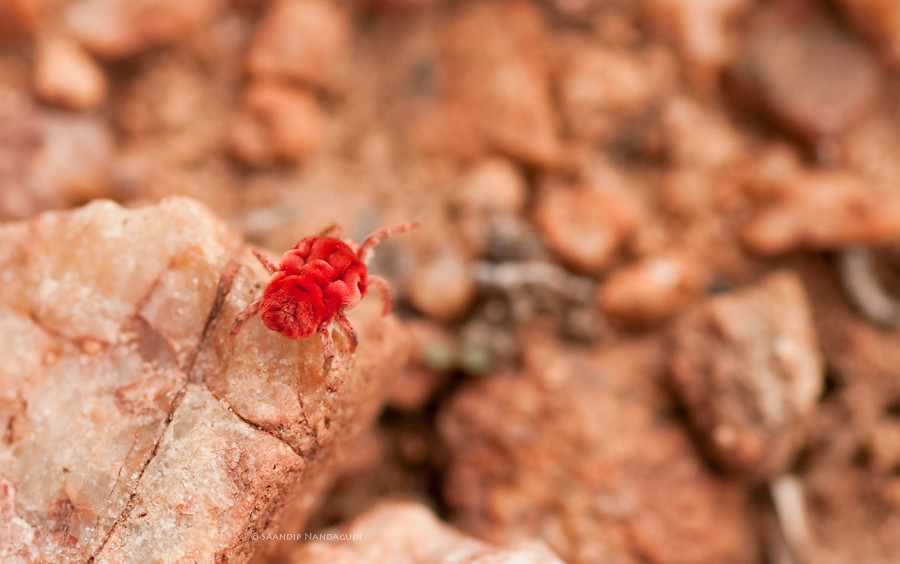
Recently I had a chance to volunteer Uniform distribution to forest guards by WWF at Daroji Bear Sanctuary . During two day stay at Daroji forest guest house I happened to see these small red creatures moving at early hours of the day, especially after early morning showers.

Red Velvet Mite


They spend most of their time hiding in the soil. Usually emerges after early season rains and can then be seen scouring the ground in large numbers. This is how the mite, T. grandissimum, got one of its nick-names, the “Rain’s Insect.”

Red Velvet Mite

They are only visible a few weeks out of the year. Trombidium grandissimum helps regulate soil ecosystems by keeping other insect and spider populations in check by including them in their diet.  This also extends the life of bacteria and fungi, the most important decomposers of organic waste in soil ecosystems.

Red Velvet Mite

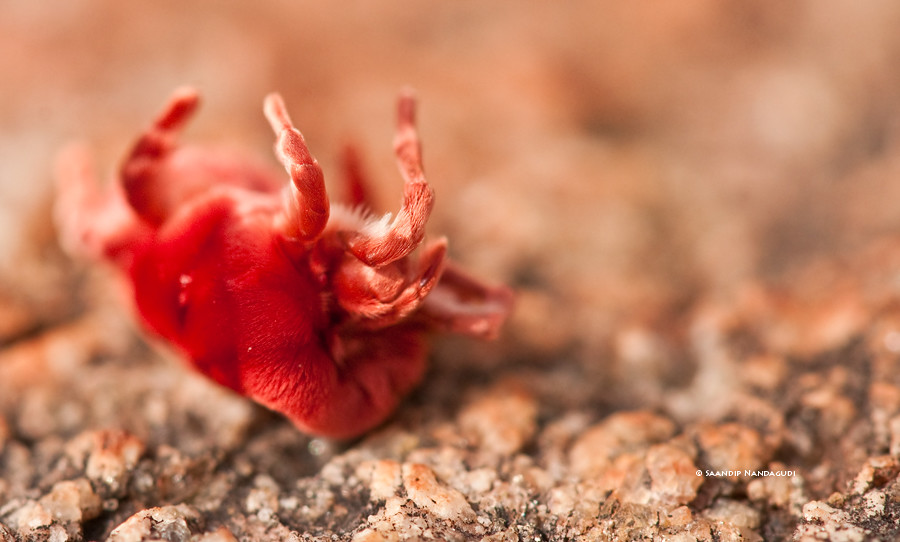
Velvet mite constantly scout the ground & if disturbed it will curl & stay still for sometime or even roll over.

Red Velvet Mite

The development and life cycle of the velvet mite consists of the following steps:-


  • The pre-larvae stay close to the area where they hatched from
  • The larvae are ectoparasites
  • Protonymphs and tritonymphs are calyptostatic,
  • The deutonymphs and adults are free living predators.

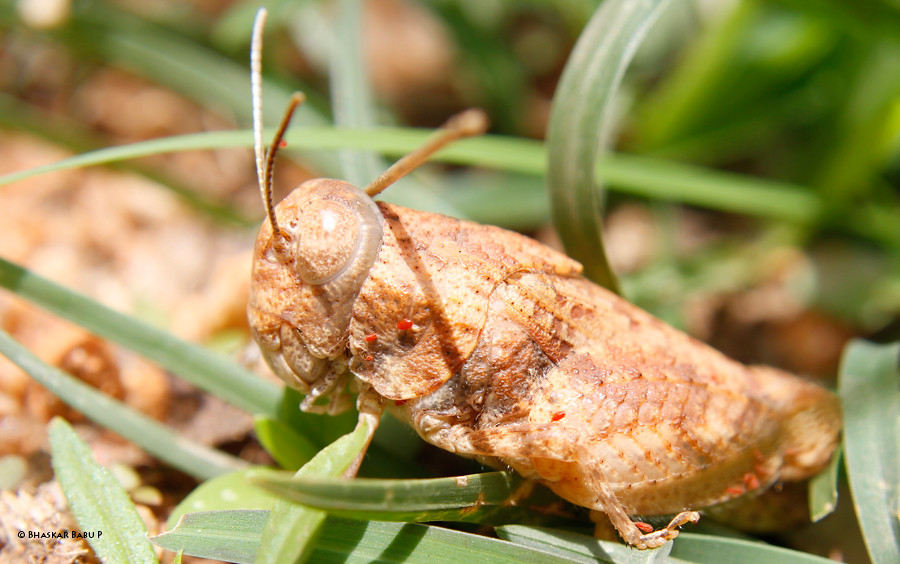
A host can be parasitised by one to many larvae. For example, a single housefly could host 40 larvae and a grasshopper might sometimes have hosted 100+ larvae.

Grasshopper with red velvet mite

Grasshopper parasitised by Larve of Red velvet mite

Some species of larvae have oral rings that encircle the wound and also provide anchorage to the hosts and some other species are known to have feeding tubes attached to the hosts

These mites do not survive in captivity. The red colour of the mite is a warning to predators to tell them that they do not taste good, or that they are harmful for which they have very few predators.

They have different names and their English translation is listed below:

Rain’s insect
Scarlet fly
Lady fly
Queen Mite
Rain Mites
Bride of the sea-farer
Velvet bride
Little old lady of monsoon.

External References:

http://bioweb.uwlax.edu/

Jul 212013
 

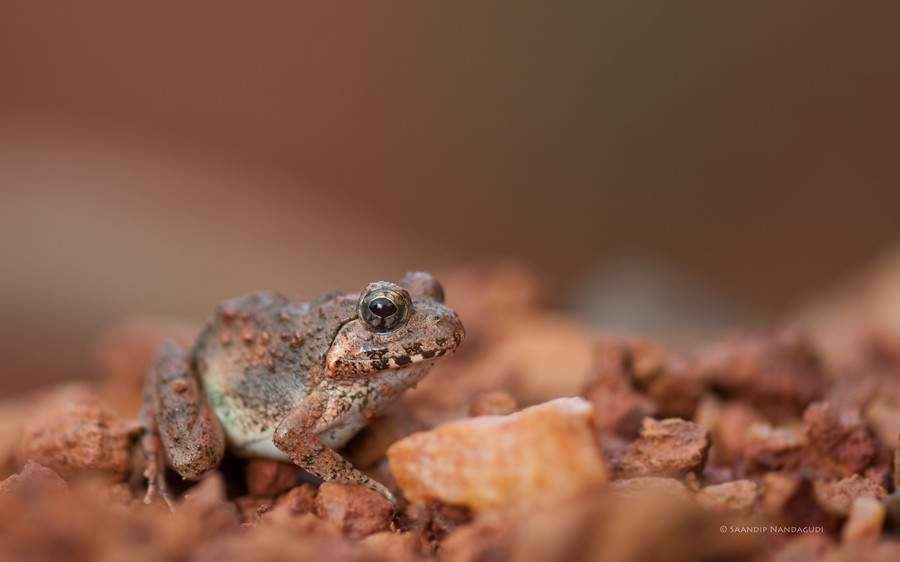
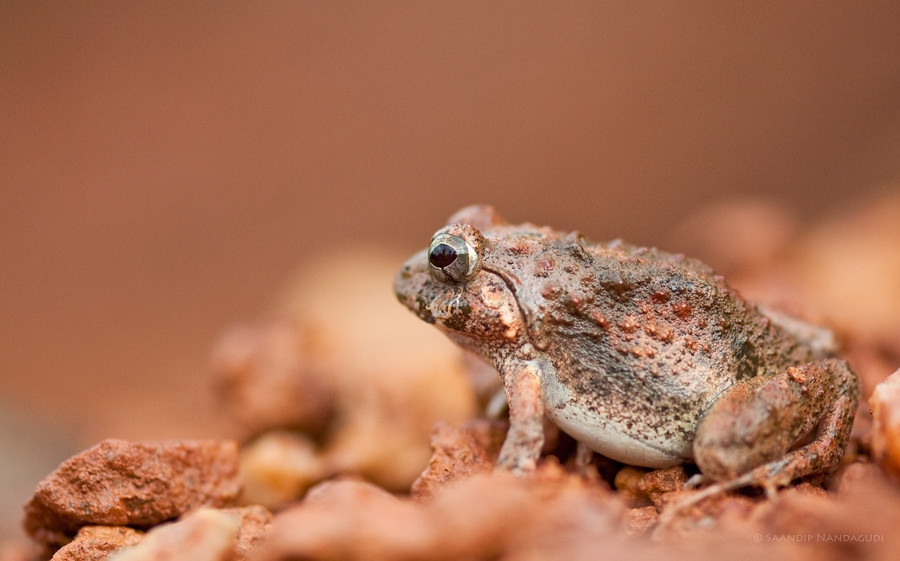
Rufescent Burrowing Frog (Fejervarya rufescens)Reddish Burrowing Frog (Fejervarya rufescens)

Typical habitat near water bodies, on landlaterite rocks, stones, forest clearing. Elevation upto 1500m

Rufescent-Burrowing-Frog-2(Fejervarya-rufescens)


This frog is endemic to India, widespread across the Western Ghats and the Western Coast. A tiny frog, it merges into the pebbles around it with utmost ease. Found usually during monsoon along laterite rock crevices, along forest floor & streams.

May 102013
 

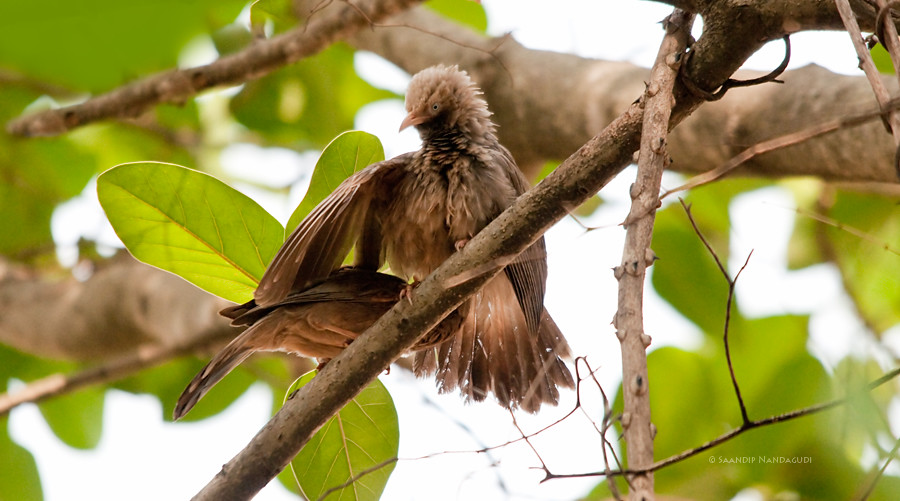
Mutual preening between two birds, the main purpose of which is to reduce the instinctive aggression when birds are in close contact. In the breeding season allopreening helps to strengthen the pair bond between the male and female.

 Aloopreening Jungle Babblers

Jungle Babblers 

This behaviour is especially common in parrots, babblers, crows and some finches, or when a bird preens the feathers of another, usually its mate is also called “mutual preening” .

May 082013


ooty

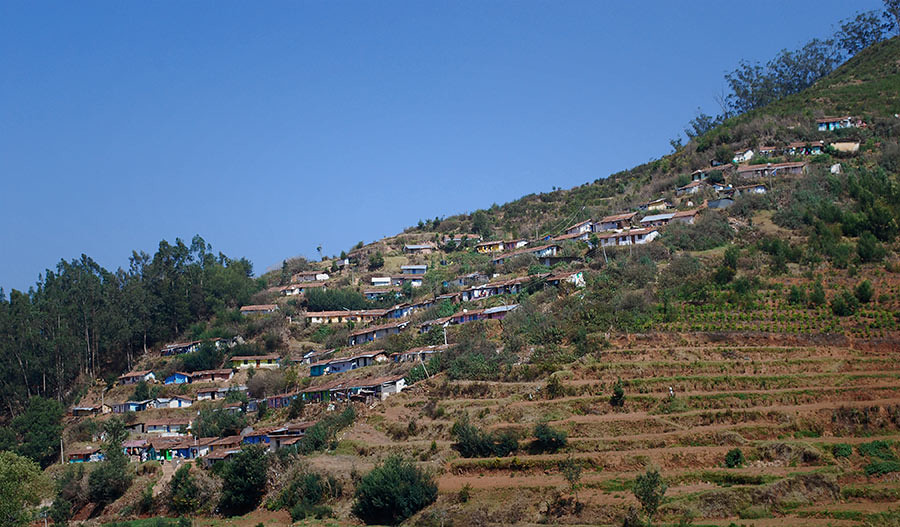
Ooty is the district capital of Nilgiri, Tamilnadu. I know everyone knows about it , So will  jump to why I visited & wrote about it.

Distance: Approx 265Kms from Bangalore.

Route I took: Bangalore > Mysore > Nanjangud > Bandipur > Masingudi > Ooty.

Why I went : Bird Photography 🙂 (especially the flycatchers).

Best Season: December to March.

Places i visited : Botanical Gardens & Doddabetta.

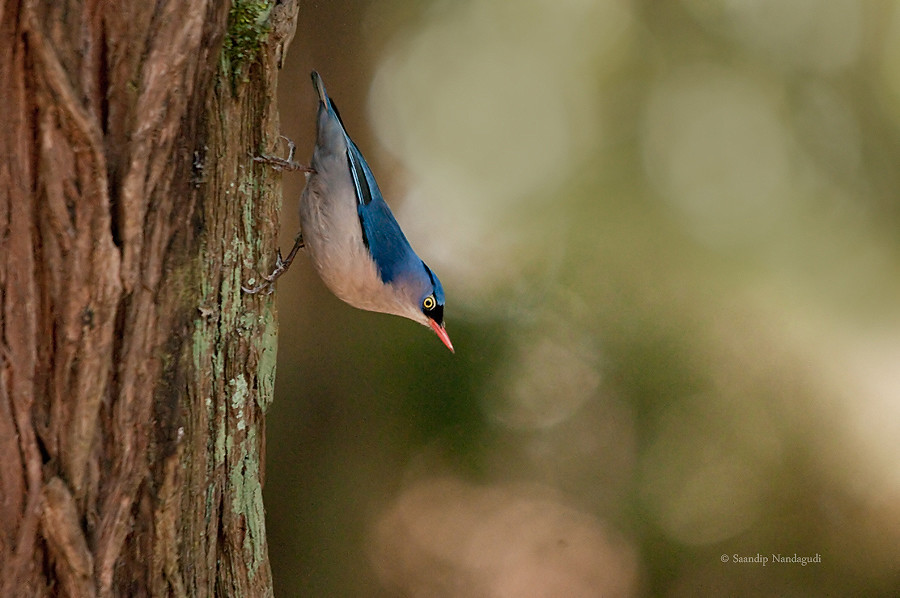
Botanical Gardens:  22 acres of well maintained greenery hosts an impressive count of birds & its not even 10% of land area compared to Lalbagh, Bangalore.


Velvet Fronted Nuthatch

Velvet Fronted Nuthatch

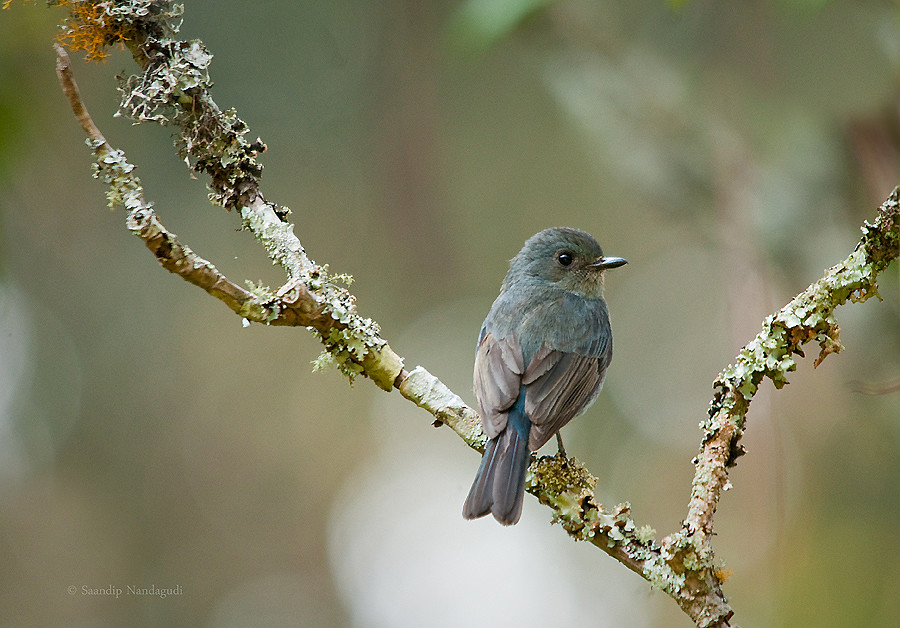
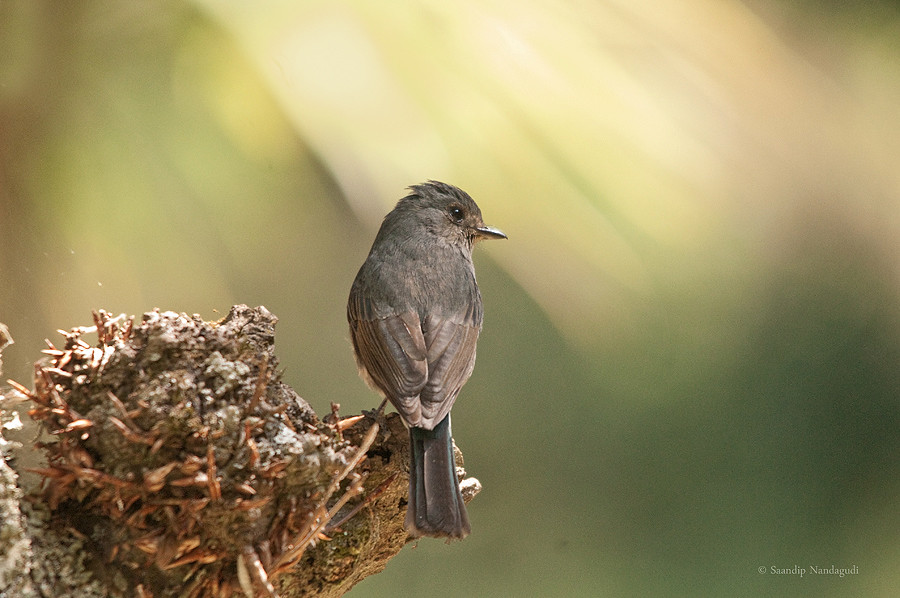
Nilgiri Flycatcher-Male

Nilgiri Flycatcher – Male

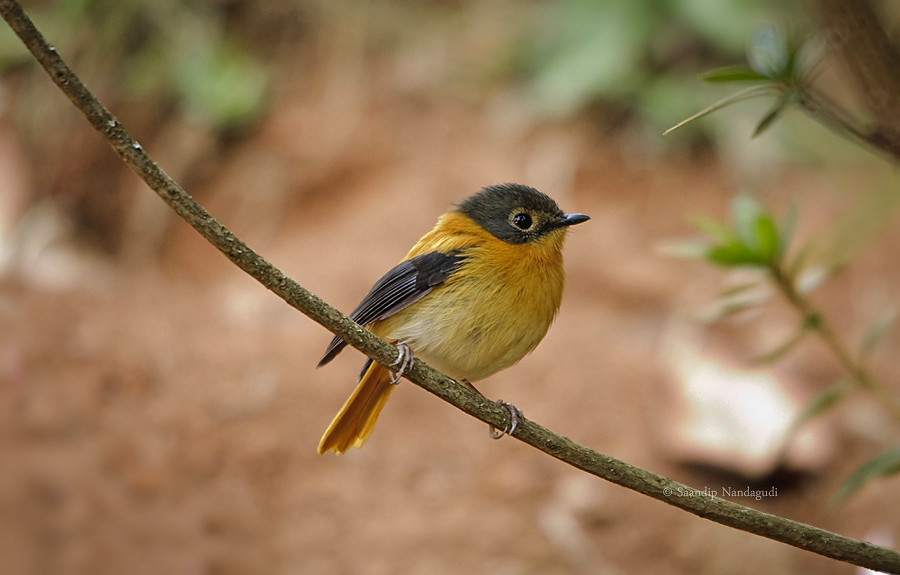
Nilgiri Flycatcher-Female

Nilgiri Flycatcher – Female

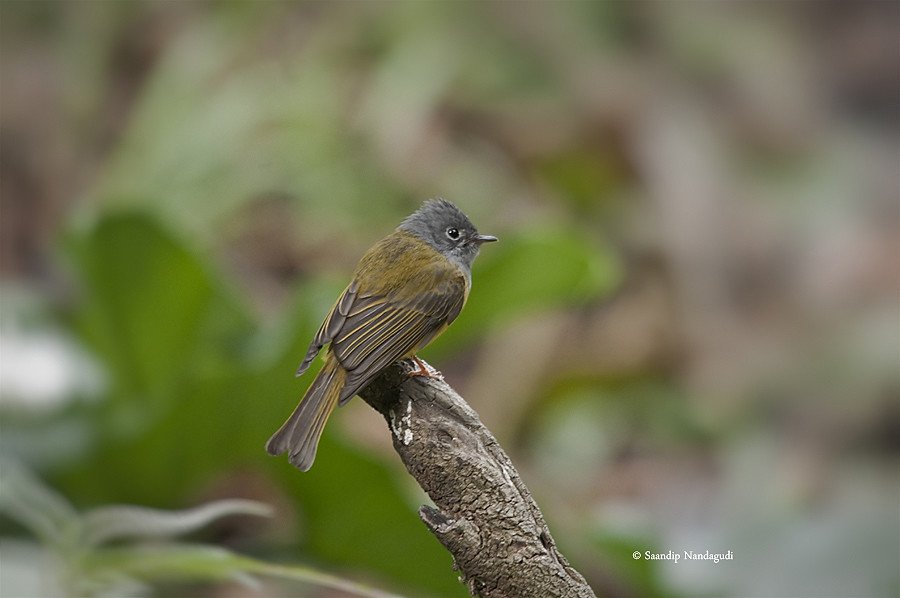
Grey Headed Canary Flycatcher

Grey Headed Canary Flycatcher

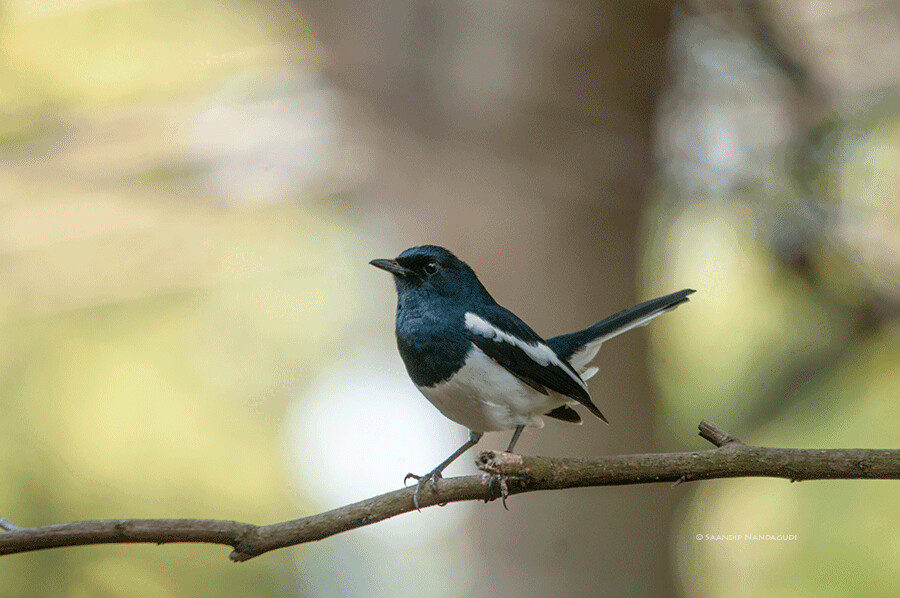
Oriental Magpie Robin

Oriental Magpie Robin

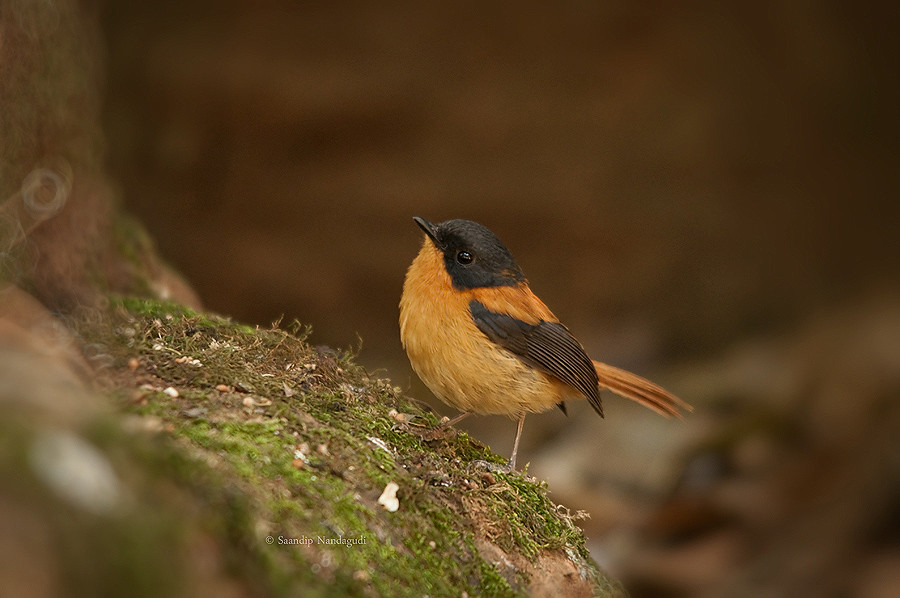
Black Orange Flycatcher

Black & Orange Flycatcher

Black Orange Flycatcher

Black & Orange Flycatcher

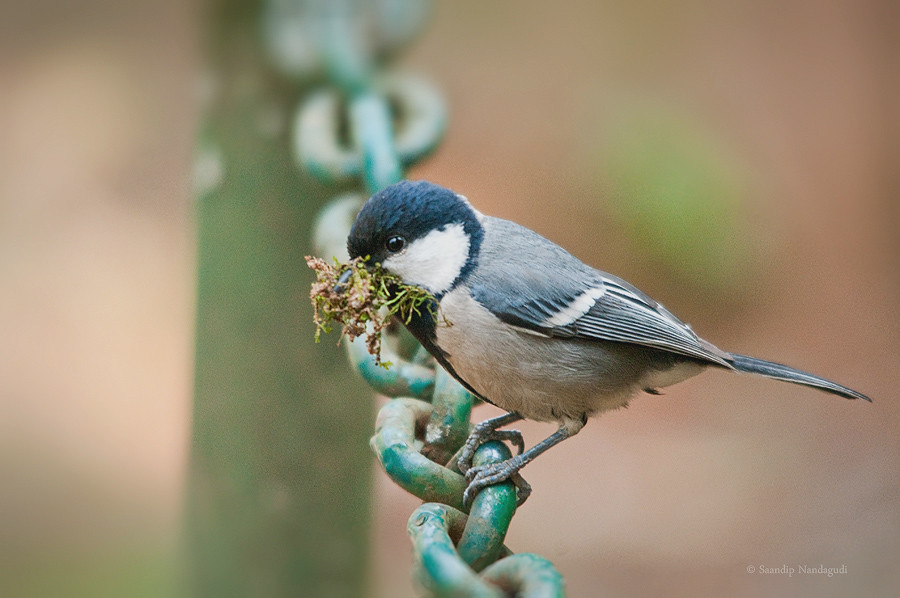
Great Tit

Great tit with nesting material

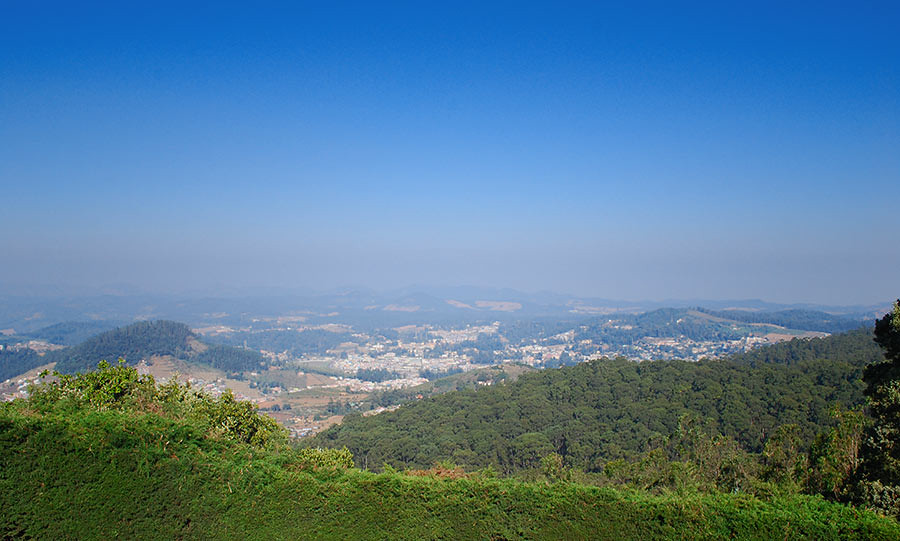
Doddabetta: Its the highest place in Nilgiris & 10 kms from ooty(place where you can photography Nilgiri wood pigeon, Nilgiri Laughing thrush).

Doddabetta

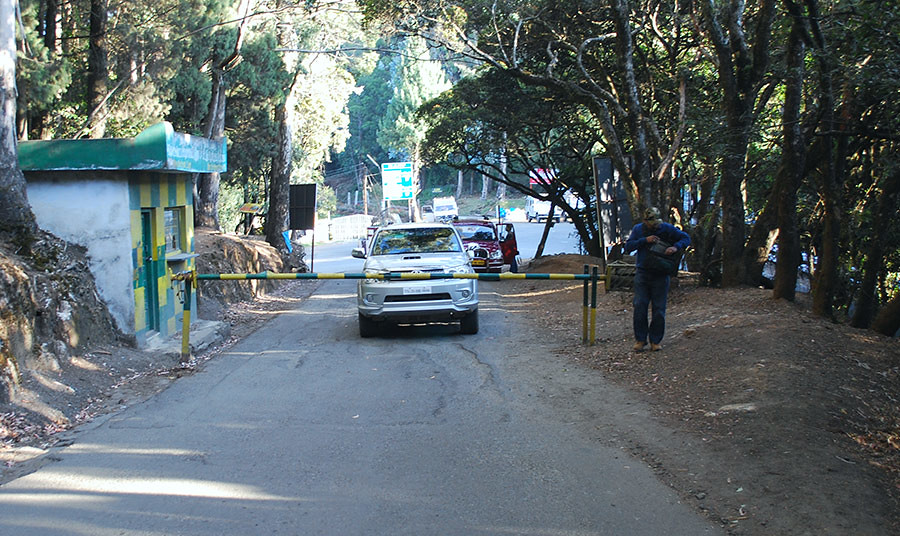
Doddabetta has a check post.

Arrive doddabetta as early as 7:00am, leave behind your vehicle near the forest entry gate with the driver & start walking .

Doddabetta -Checkpost

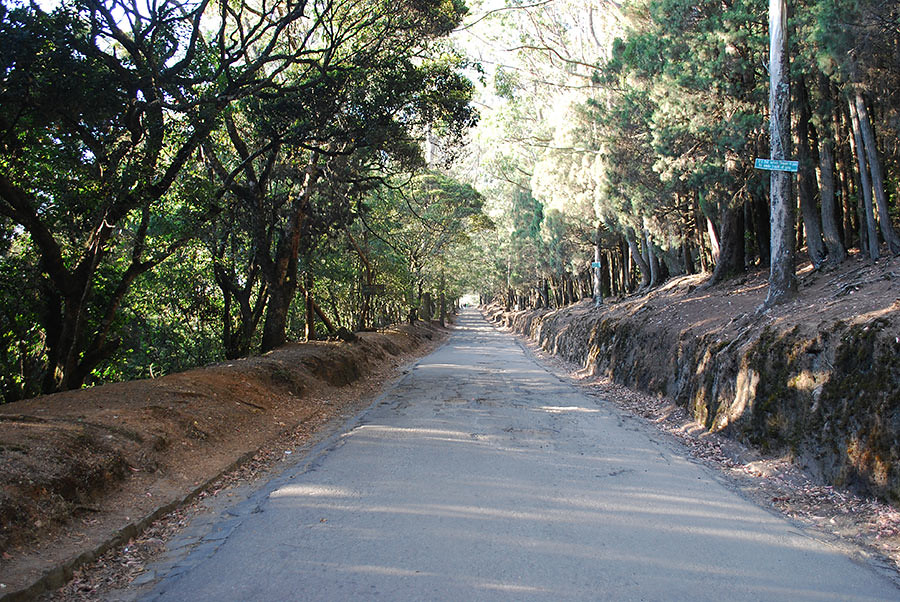
 Its a trek on road for about 2.5kms with lush green & many surprises, who knows u may see a leopard 😉 .

Doddabetta -Checkpost

As you walk nearly 1.5km the road splits in “Y” shape, This is the place I found the Niligiri Wood Pigeon, if not here you can always find it near parking lot on the top of the hill.

Nilgiri Wood Pigeon

Nilgiri Wood Pigeon

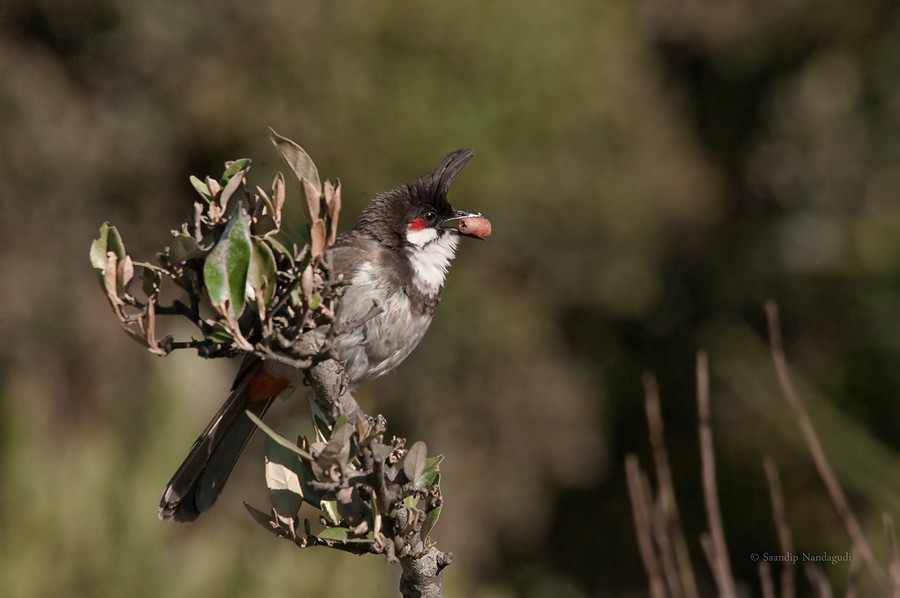
Red Vented Bulbul

Red Whiskered Bulbul

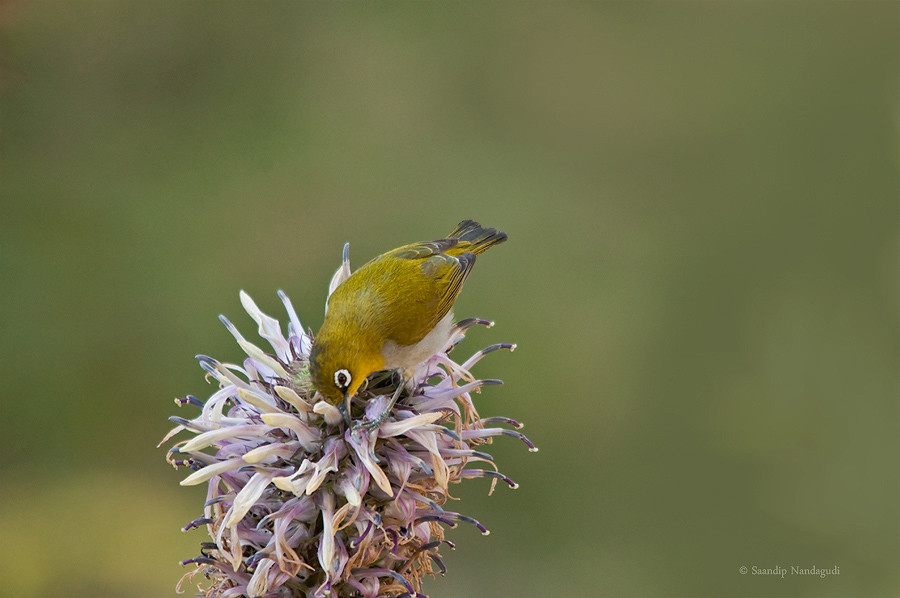
Oriental White Eye

Oriental White Eye on a wild tobacco flower

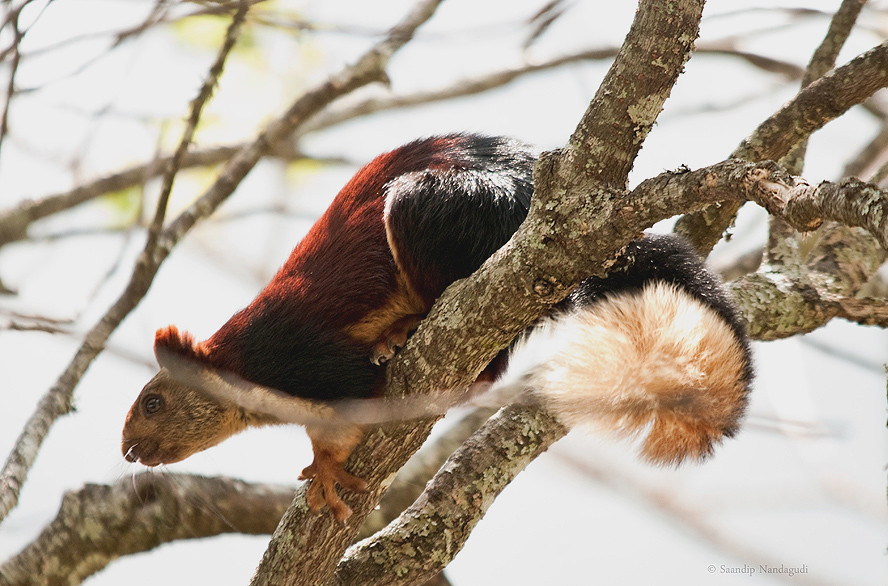
Malabar Giant Squirell

Malabar Giant Squirel

It was a two day schedule & Doddabatta was on the second day. Usually after 9:30am it will be crowded by noisy tourists & you could always come back to Botanical gardens & do a bit of rework if you have missed any thing on first day.

Oh yeah do not forget to buy locally made chocolates near Charring cross 😉

Jan 072013
 

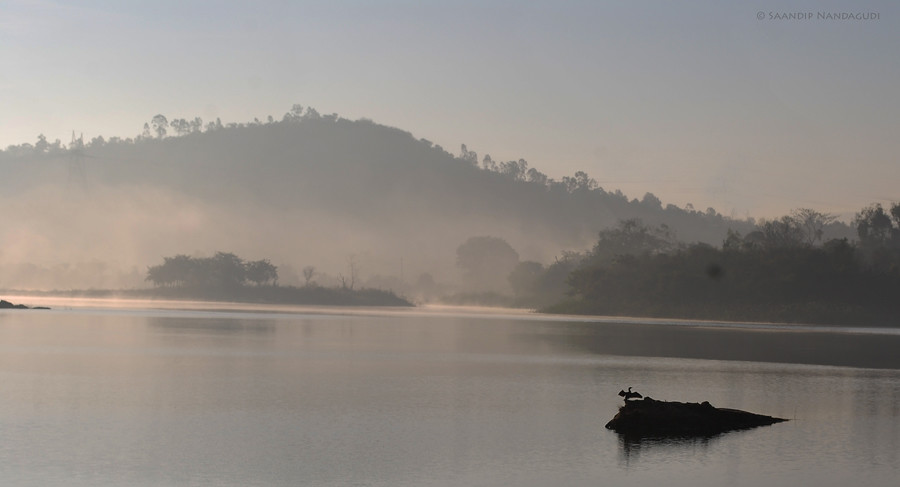
Thippagondanahalli Reservoir, also known as T G Halli Dam or Chamarajsagar, is located at the confluence of the Arkavathi and Kumudavathi River, 35 km west of Bangalore, India. The name Thippagondanahalli was named after the village head Thippagonda.  A supervised construction from the very great Bharatha Ratna Sir M. Visvesvaraya. The dam was built & inaugurated in 1933, the back water provides a good birdwatching spot for the bird lovers. Migratory birds are seen in flocks here during winter.Entry to the BWSSB place is now restricted but I remember it was one of my favourite spots a few years back,now its only the backwaters left for birdwatching.
Best time to visit: October to April.

Distance from Bangalore : Approx 35Kms.

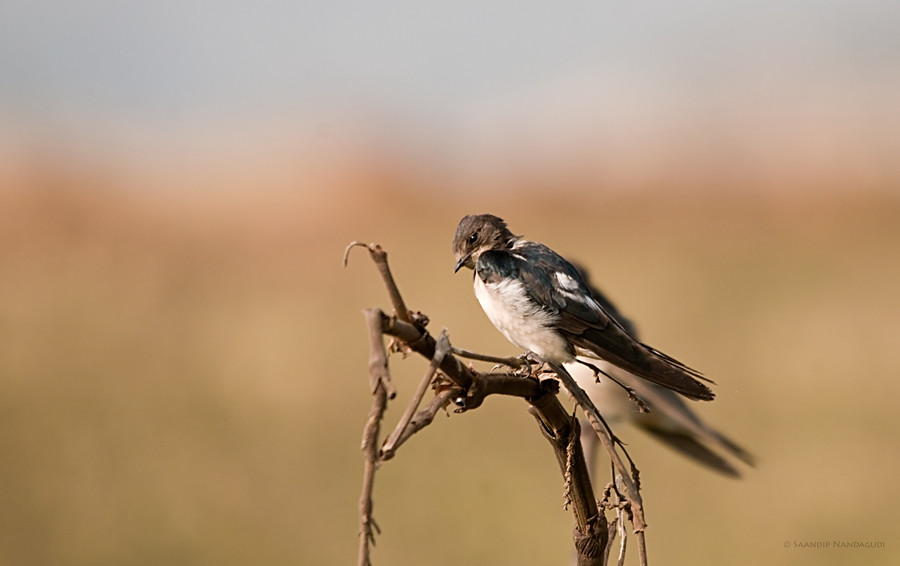
Pros: Best place to photograph swallows when they perch on small twigs & river terns at close range.

Cons: Driving too very near water bank might turn risky as your vehicle may get stuck in loose soil.

Its a half day birdwatching spot , either morning or evening with packed food & drinking water is best ( avoiding eating in hotel near nature places might lower the risks of future commercialisation & hazards “this is only my immature estimations” & this is not a tourist place).

Have compiled photographs made during my visits (October to March).

 TG-Halli-2

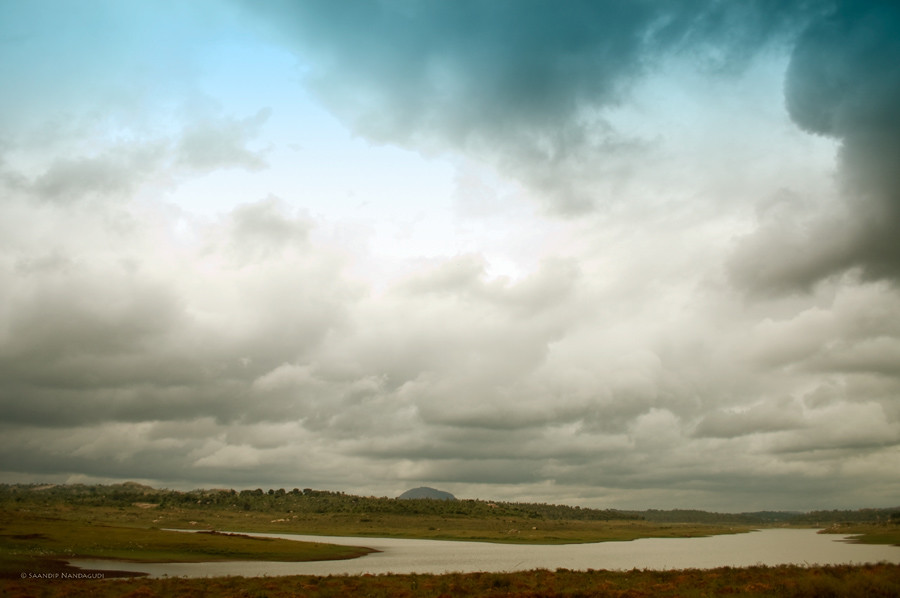
Thippagondanahalli Back waters (Savandurga Hill is seen at the back)

Once submerged Sangameshwara temple of  TG Halli

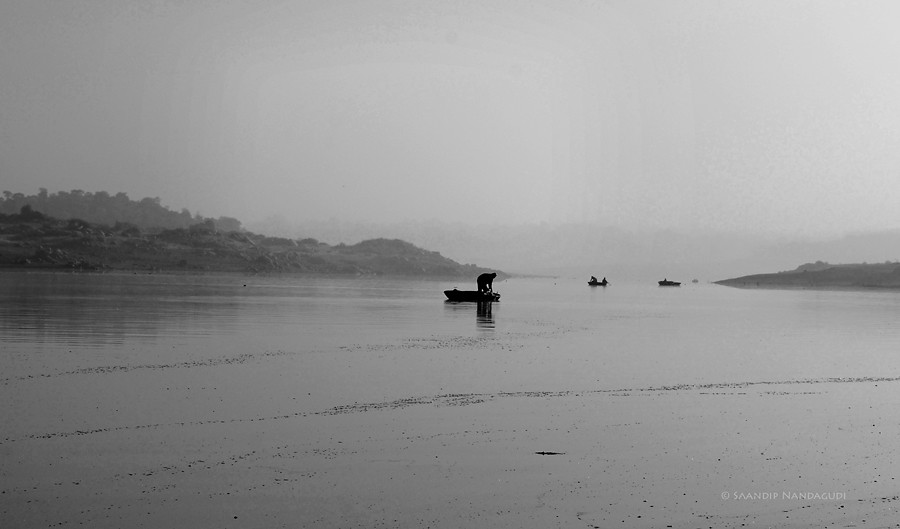
Illegal Fishing starts at early hours

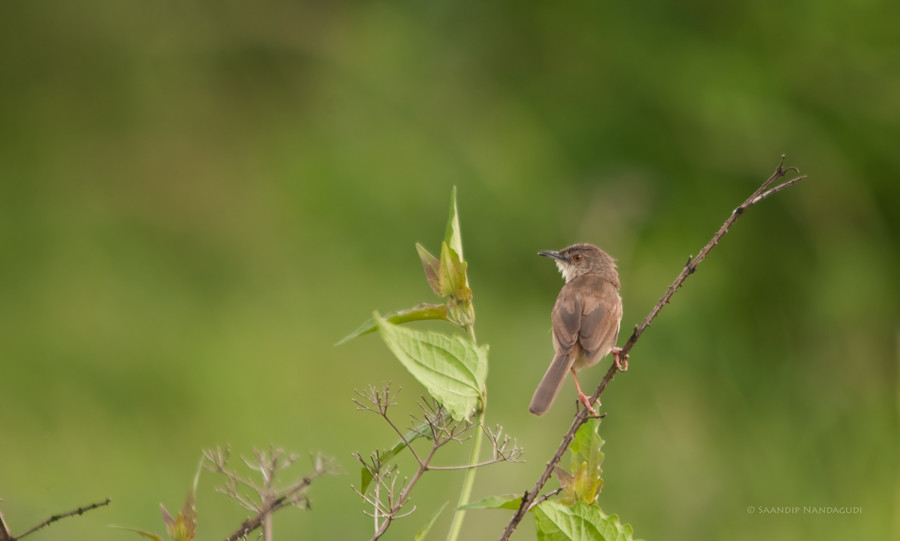
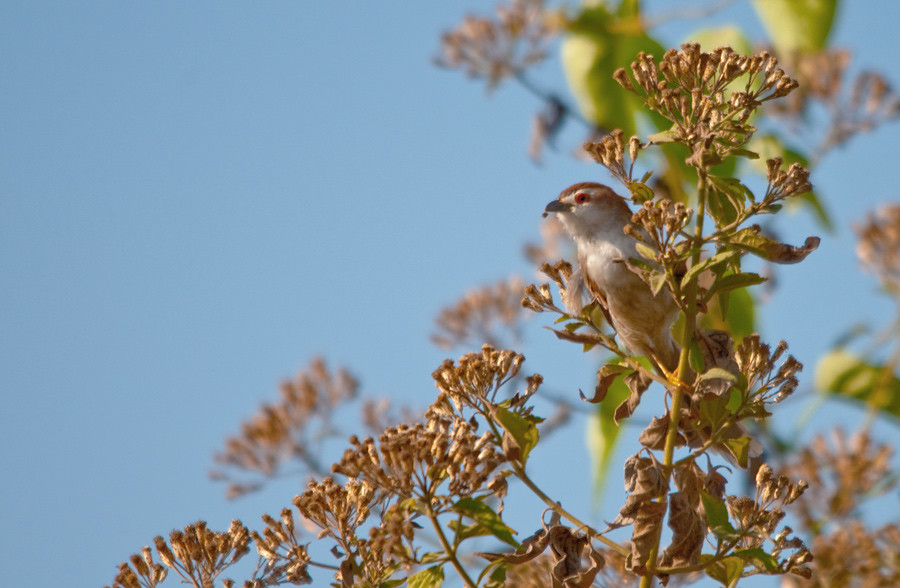
Ashy Prinia

Ashy Prinia

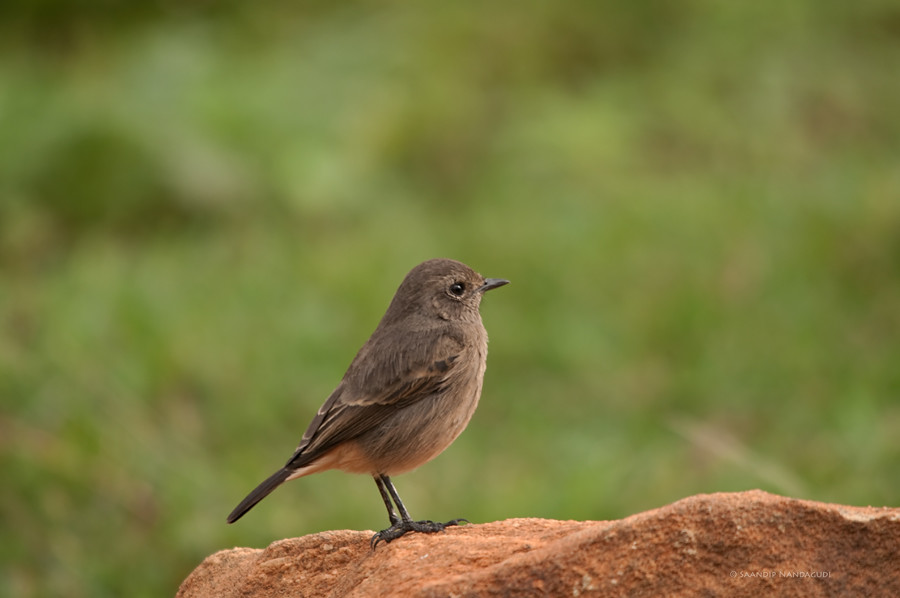
Pied Buschat Female

Pied Bushchat- Female

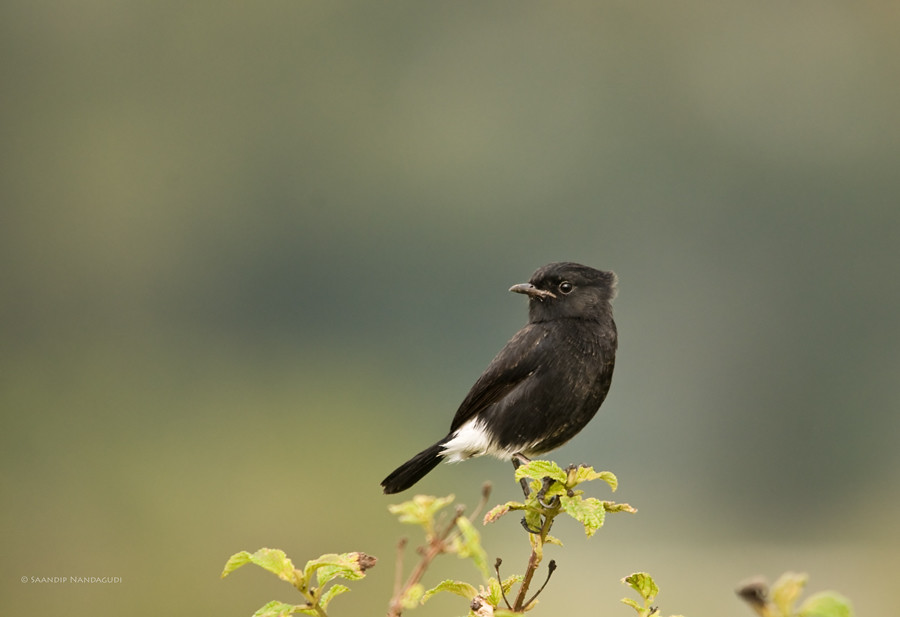
Pied Bush Chat – Male

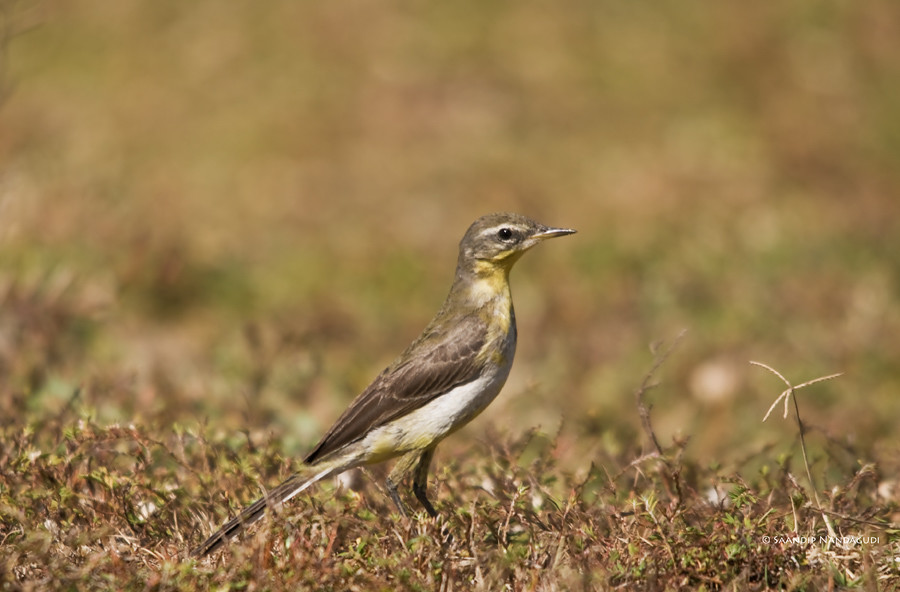
Grey Wagtail

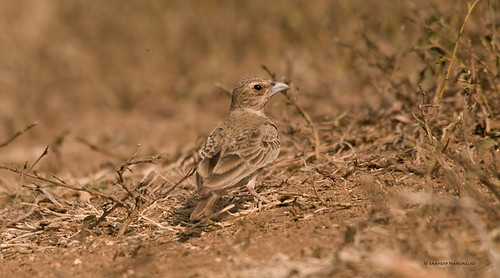
Ashy Crowned Sparrow Lark – Male

Ashy Crowned Sparrow Lark  – Female

Sykes’s-Lark

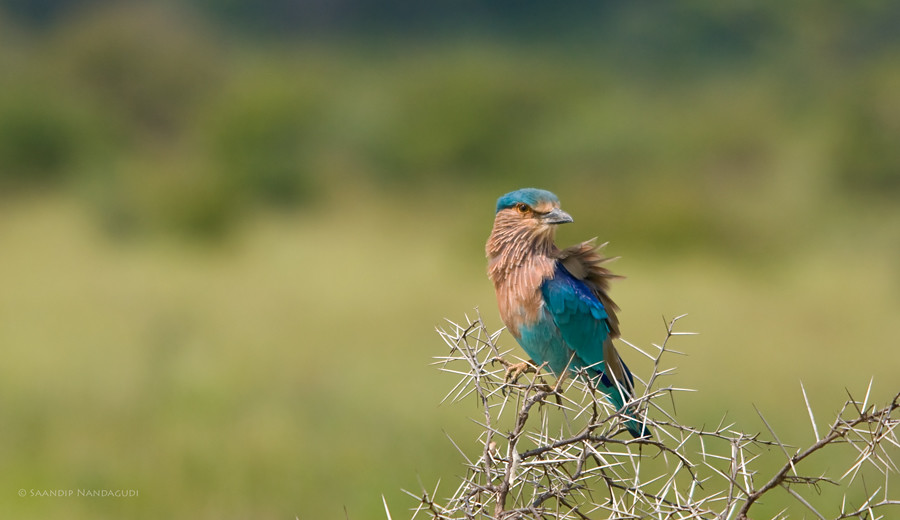
Indian Roller

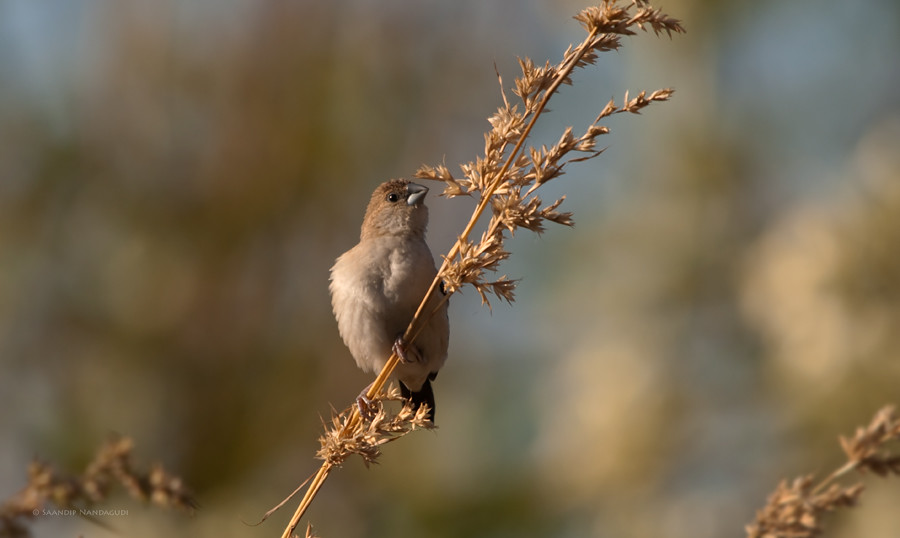
Indian Silverbill

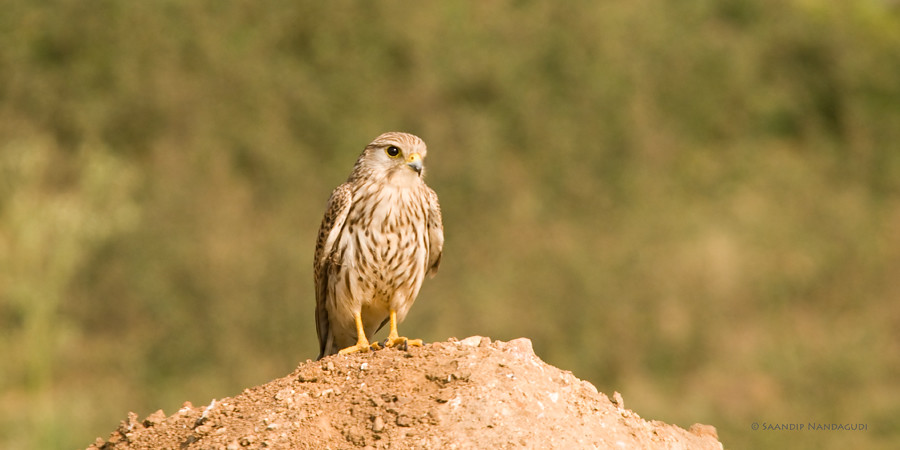
Common Kestrel

Barn Swallow

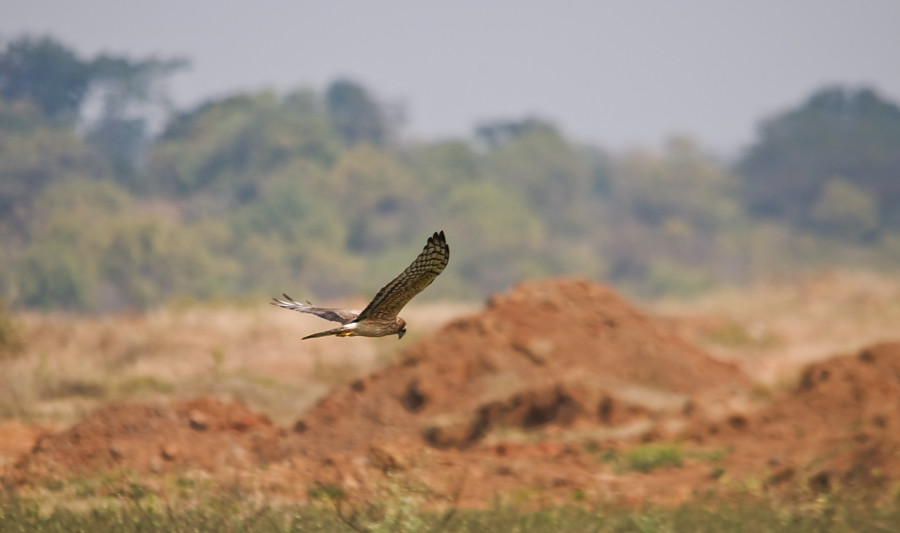
Harrier

Harrier

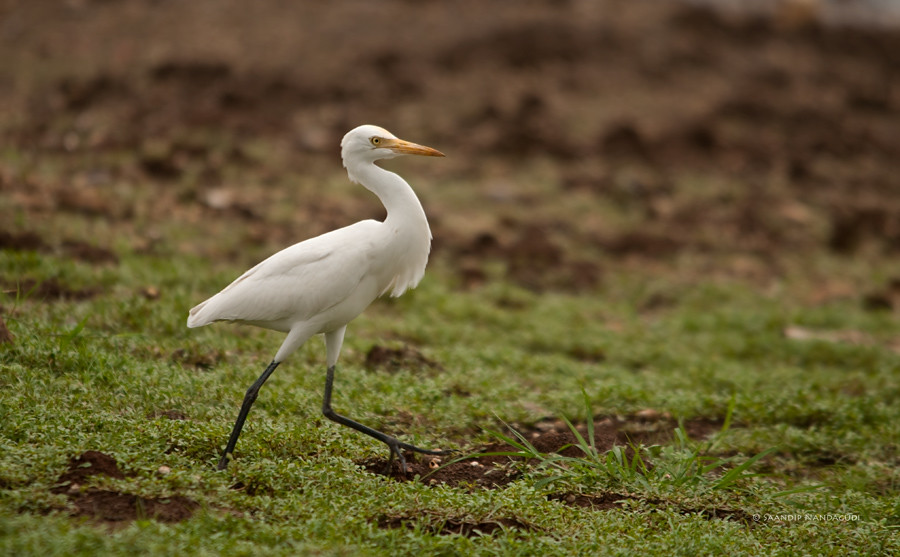
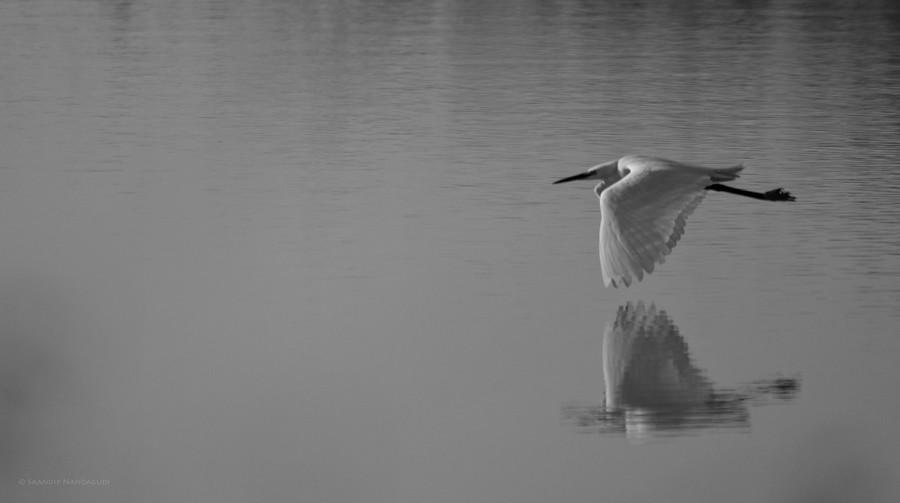
Intermediate Egret

Intermediate Egret

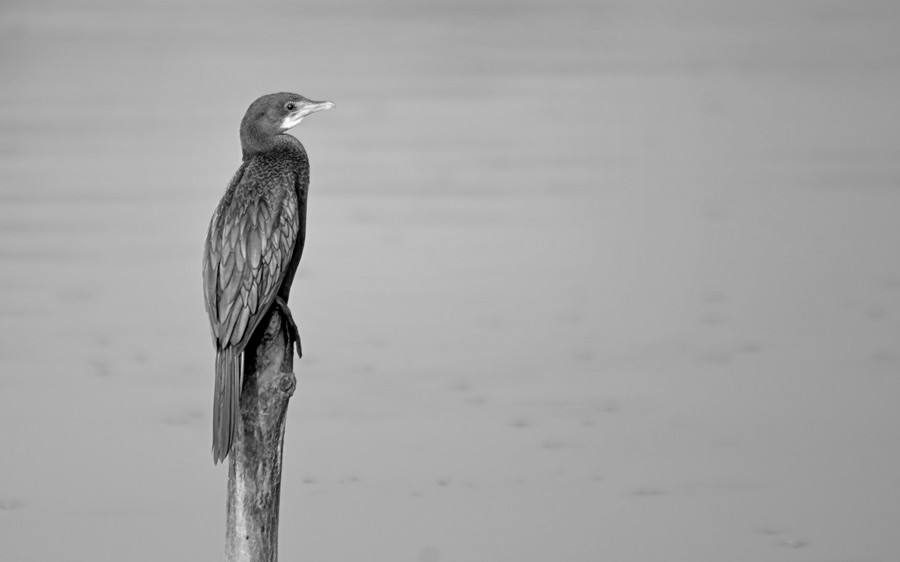
_DSC4100-bw

 Little Cormorant

BWS

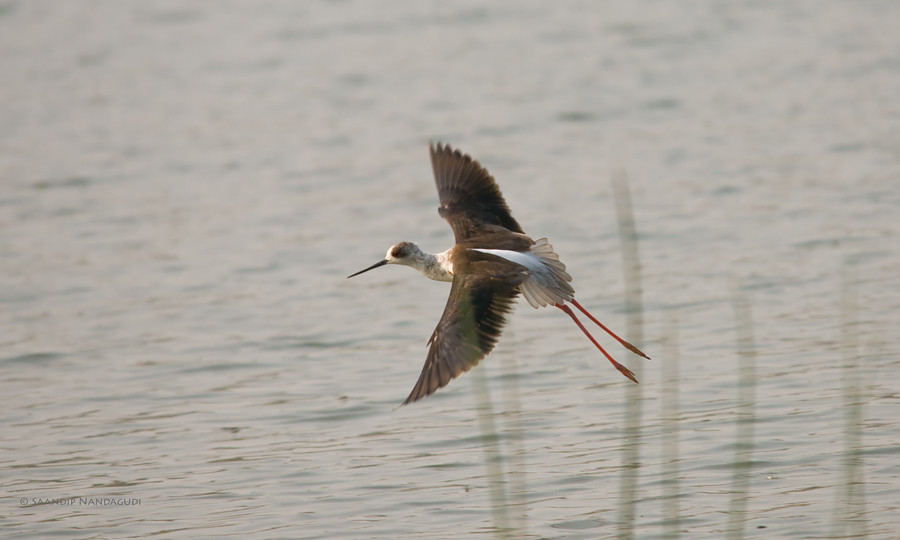
Black Winged Stilt

Open Billed-stork

Little Ringed-plover

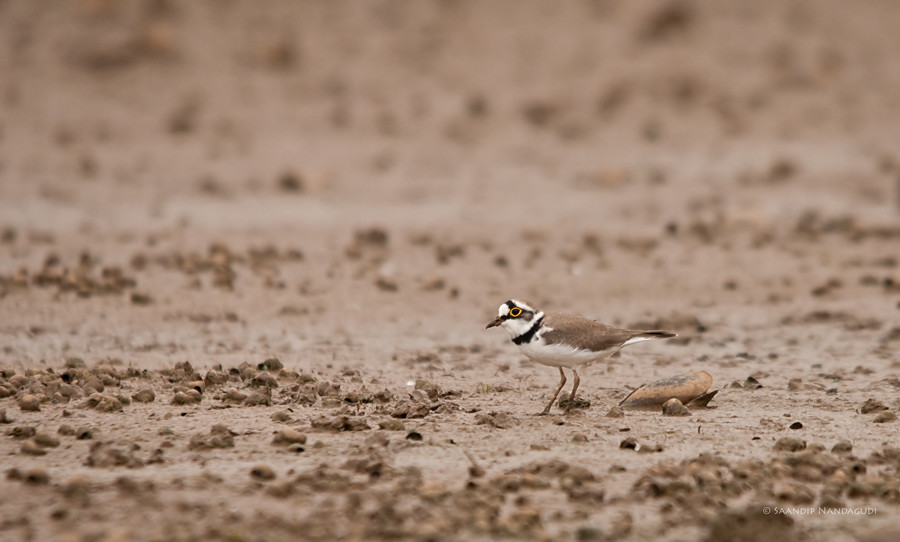
Little Ringed Plover

Pied-Kingfisher

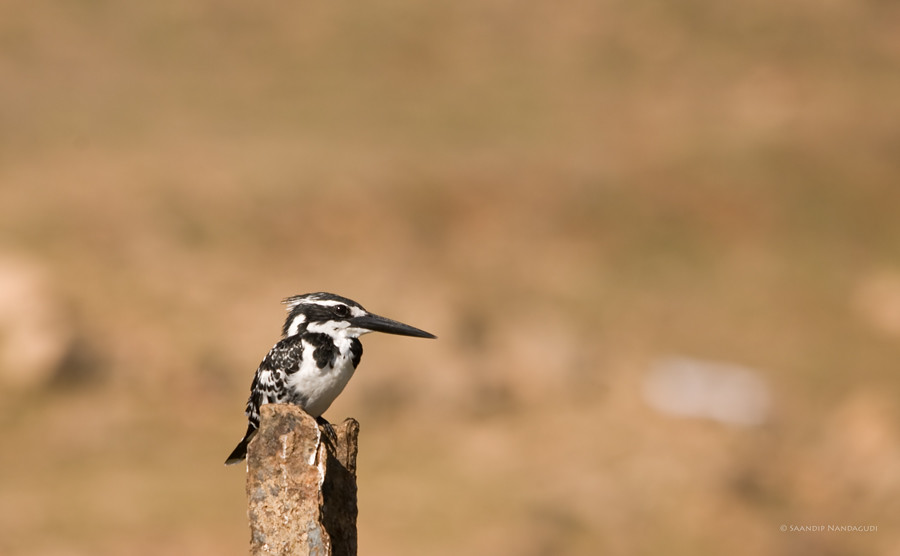
Pied Kingfisher

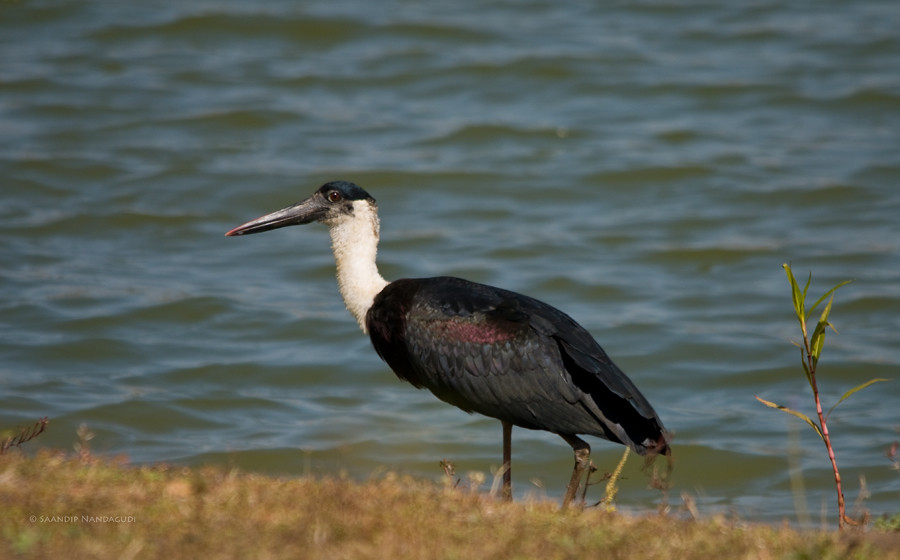
Woolly-Necked-Stork

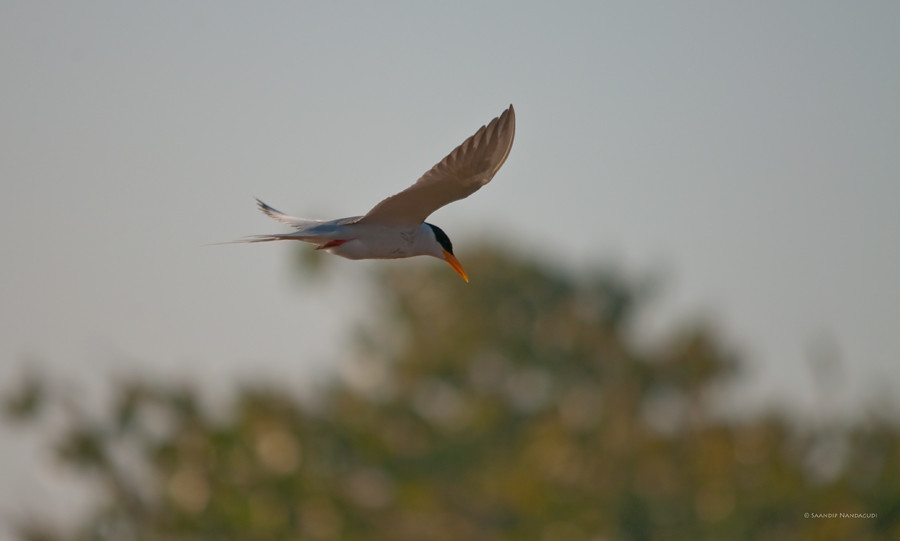
River Tern

River Tern

Brahminy Kite

Black Kite

Bar Headed Goose

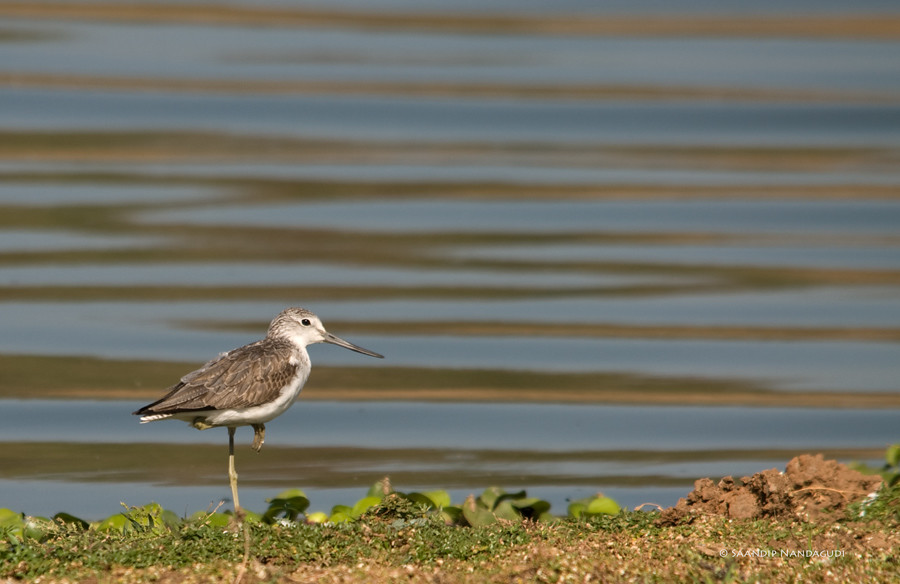
Common Green Shank

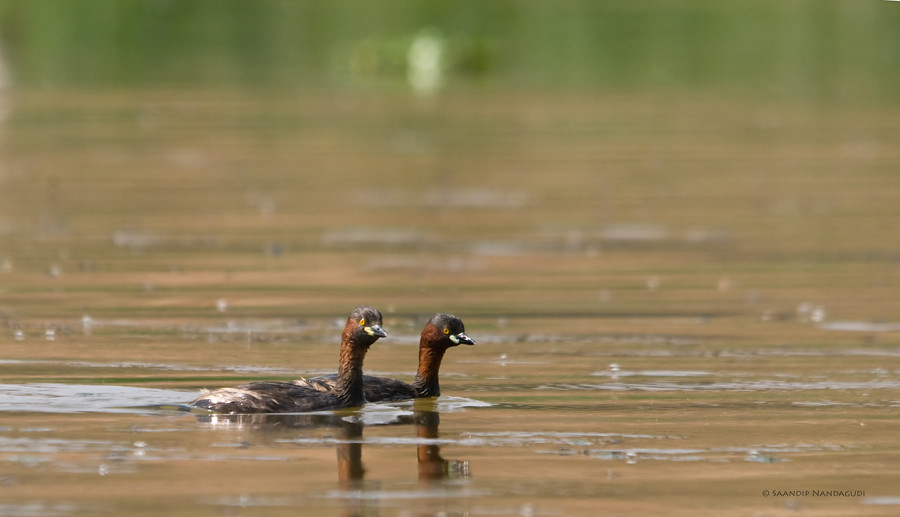
Little Grebe.

& my favourite cute little bird 🙂 the Pratincole

        Small Pratincole

Thanks for dropping by folks 🙂

Oct 152012
 

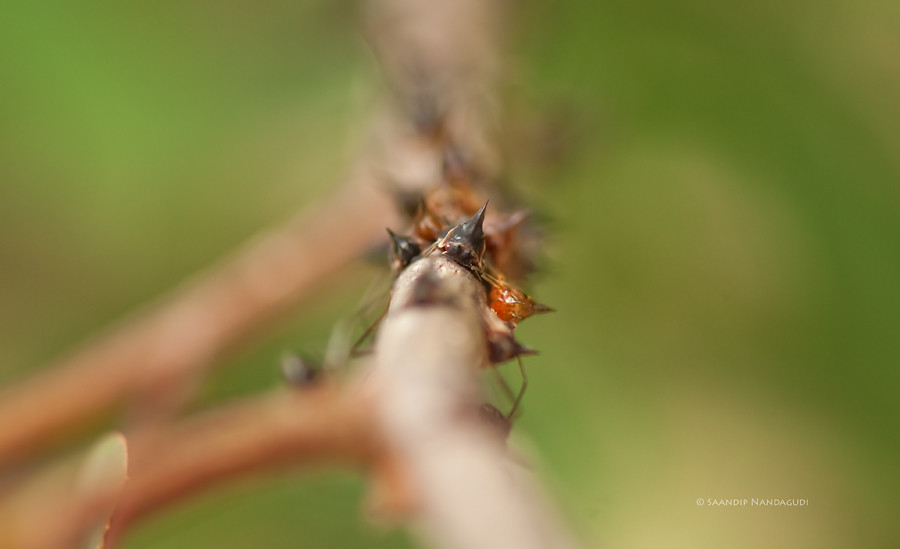
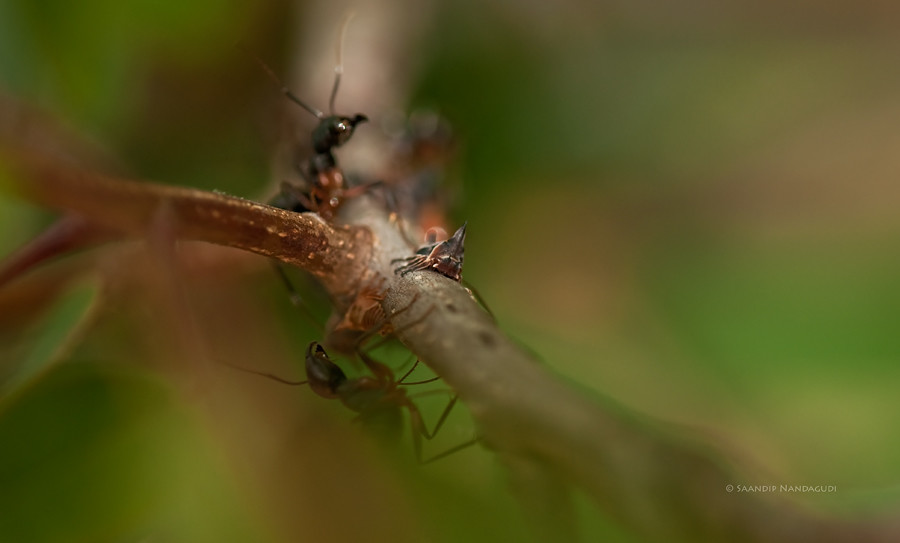
Tree hoppers disguise as thorns on plant stem to prevent predators from spotting them,  to get extra protection they hire ants by providing them sweet liquid in return. 

Thorn mimic hopper

The insect body look like leaf buds under the thorns. Hoppers (order Homoptera) are herbivorous insects that suck the carbohydrate-rich juice from phloem vessels in plant sap through their piercing mouthparts.

Thorn mimic hopper

 Like aphids, they produce a sugary liquid excrement that is “milked” by ants and in turn ants protect hoppers from predators.

Thorn mimic hopper

 They are characterised by a distinctive extension of the body casing called the pronotum, which only appears in the adult.

Thorn mimic hopper

 In this species the pronotum forms the pointed “thorn” that provides camouflage.

Thorn mimic hopper

Photographed in the JP Nagar reserve forest bangalore.

Jun 272012
 

Recently I had been to Valley school for birdwatching. Surprisingly there wasn’t much bird activity & eventually I was in look out for insects & butterflies.

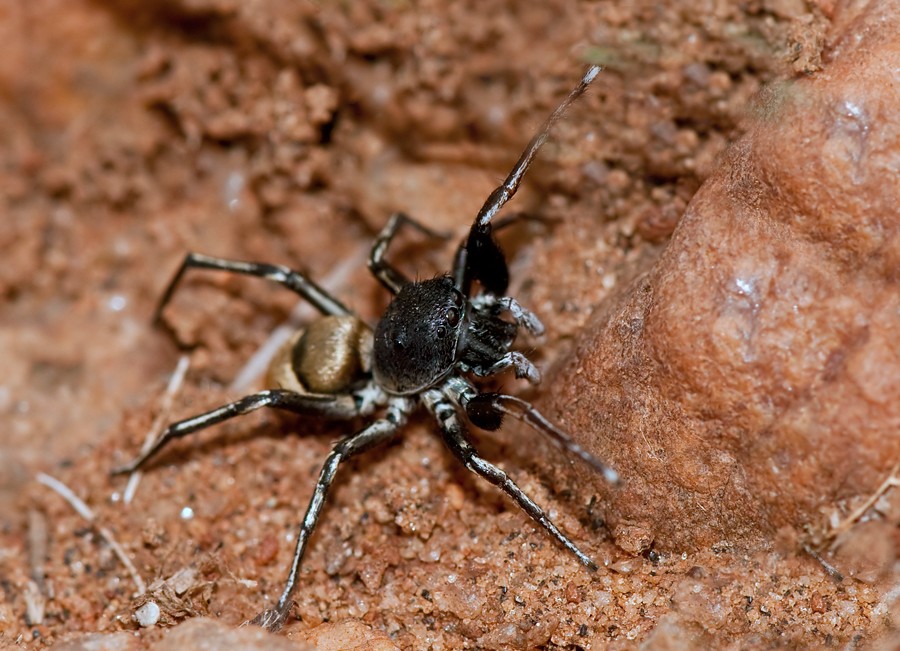
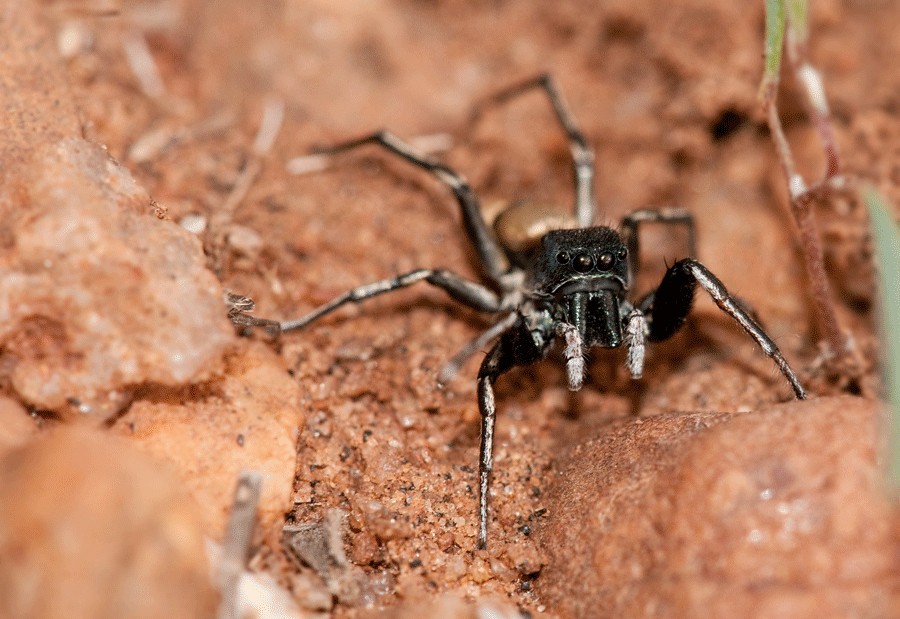
Saw this amazing ant like spider moving very fast on ground, sometimes hiding behind small grass & popping out once a while.
Myrmarachne-sp

 It waves its forelegs mimicking the antenna of an ant.

Myrmarachne-sp 

Myrmarachne3

Myrmarachne-FRONT

It was very fast in moving & gave me a hard time photographing on ground, never the less it was worth visit to this place in having seeing them & capturing one more amazing dramatist of life into my collections.

Jan 272012
 

Republic day was awesome as a group of birding friends decided Gulakmale as the destination for the day. Gulakmale is a small village near Kaggalipura of South Bangalore off kanakapura road. This place is accessible both from Kanakapura Road & Bannerghatta road. My route was through Kanakapura road ( Chamarajpet > K.R Road > Banashankari temple > Thalaghattapura > underpass Nice road flyover > Art of living & from there approx 4kms Kaggalipura > Ask for Bannerghatta road in Kaggalipura which is a left turn at the traffic T junction on the Kanakapura main road, > around 2kms you’ll pass Gulakmaale Govt School on right side & from there 1 Km you’ll get a “Y” junction> Take LEFT & not the right which goes to bannerghatta > ask for Gulakmaale kere (tank)  & take left turn which is a mud road & drive down around half km which leads to Gulakmaale tank bund).
Gulakmaale Bund

Gulakmaale Tank Bund

Gulakmaale-Tank

Gulakmaale Tank 

Gulakmaale-Tank

Birding around the tank & nearby places by walk is good & you will see many species of birds, few meters on the road next to bund leads to a small bridge & then to the water area.

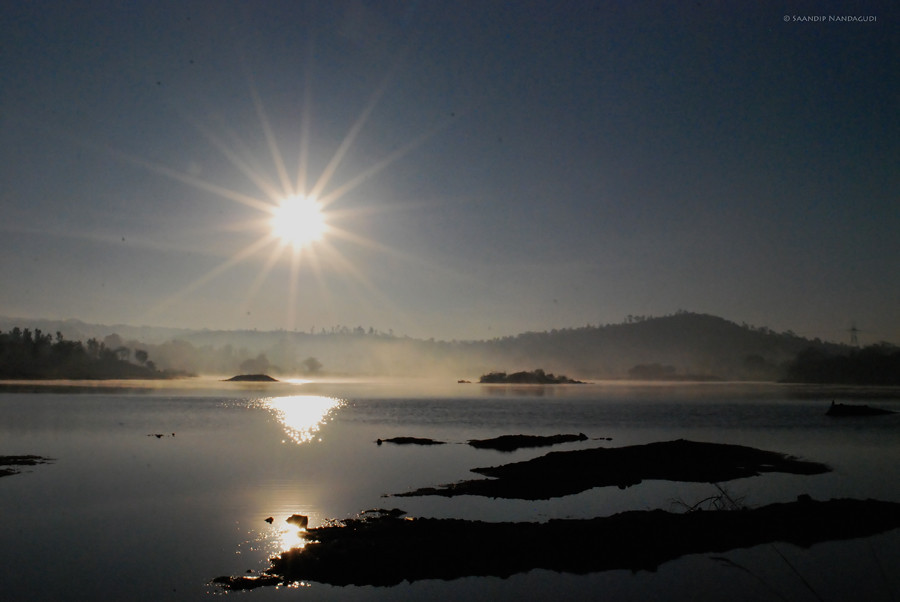
Gulakmaale-Sunrise

Sunrise at Gulakmaale 

Wired-Tailed-Swallow

Indian-Robin

Indian Robin

Silver-Bill

Indian Silverbill

Red Vented Bulbul

Red Vented Bulbul

Egret

Green-Bee-Eater

Gree Bee-Eater

Yellow-Eyed-Babbler

Yellow Eyed Babbler 

River-Tern

River Tern

Fellow-Birders

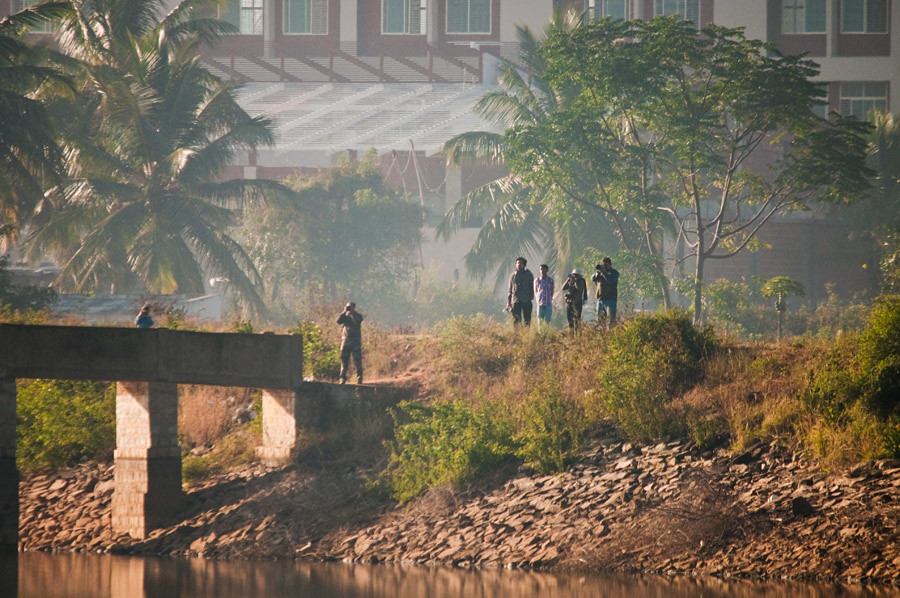
Birdwatchers

A passing by villager tipped us to visit a place called Thottikallu Falls (TK falls) which is around 2Kms from the Gulakmaale tank & told that many more birds could be spotted there.

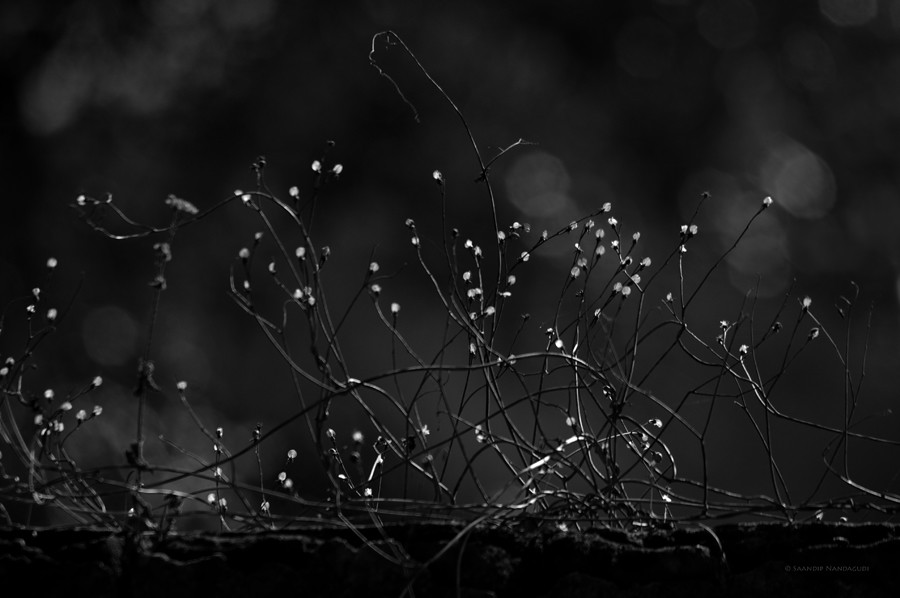
Dried Weed

Dried Weed on a old building near the TK Falls 

I dint saw many birds here as it was 11:00am already, but i am planning to visit this patch again much early next time & cover some water bodies too on the way. Others from our group spotted many flycatchers around this falls area, but my finally photo was this Fresh water crab.

Fresh-Water-Crab

Some tourist caught this crab from the water flowing area & brought it to ground, we took some photo graphs & the crab made gestures like children do 😀 ( lift to carry) , we then quickly lifted it, released back to water & left for home.

Jan 252012
 

Recently we had a college reunion at a coffee estate in Sakaleshpur, while sharing thoughts with the owner, I found that Kopi luwak an Indonesian pronounce for Civet Coffee is the costliest of all coffee grades. He explained that these civet cat chooses to eat only the best ripe coffee berries & the undigested seeds are excreted in their poo.

Coffee bean

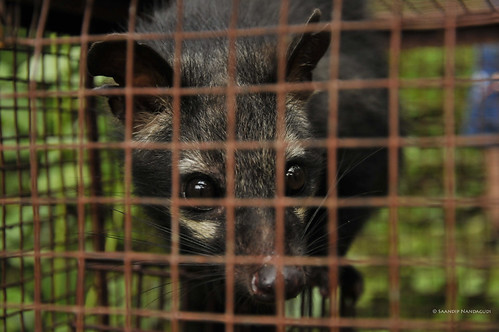
The processed & final coffee is bitter it seems 😀 .. (what else to expect), more bitter part was when we were informed that a civet cat was captured in the nearby estate, we rushed to that estate & the owner was first hesitant to allow us inside & then he took us deep inside his estate were the civet was caught using a custom made iron cage.

Common Palm Civet

We tried to educate the owner of the estate to release the civet , but he dint do it & instead threatened us to go out his estate, while one our friend had a war of words it was released by my friend & nearly 20 to 30 peoples started abusing us & by then our work was done & we all came back to our estate as we had to check out that noon. Definitely sad that it is  going to come again & fall into the same trap 🙁 ..